
.svg)
.svg)


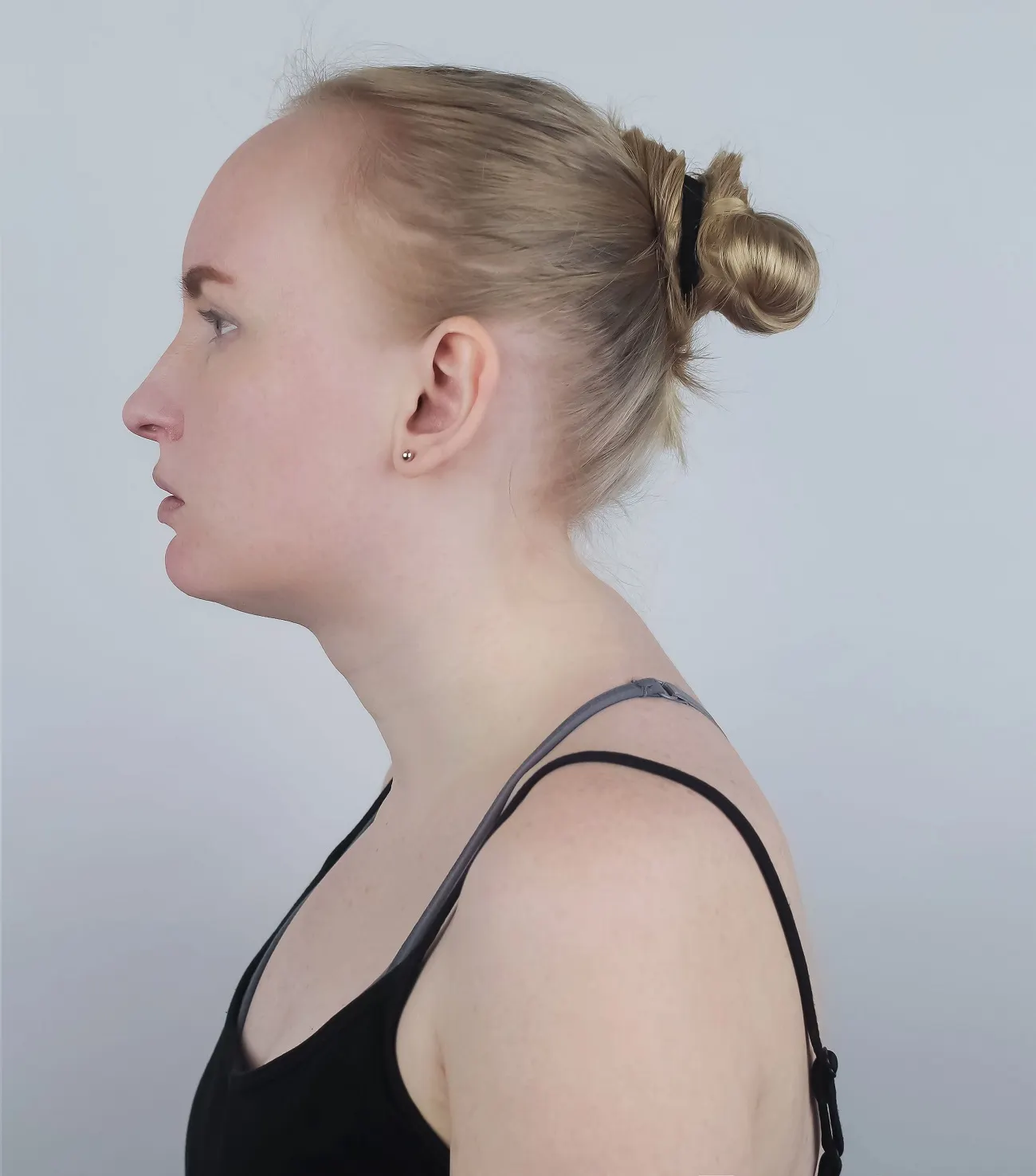
Kyphosis occurs when the upper spine curves excessively, often leading to a hunched-back appearance. This abnormal curve can cause discomfort, limit mobility, and affect posture. At PrimeCare, we provide personalized solutions to help those with kyphosis manage the condition effectively and enhance their quality of life.
What Is Kyphosis?
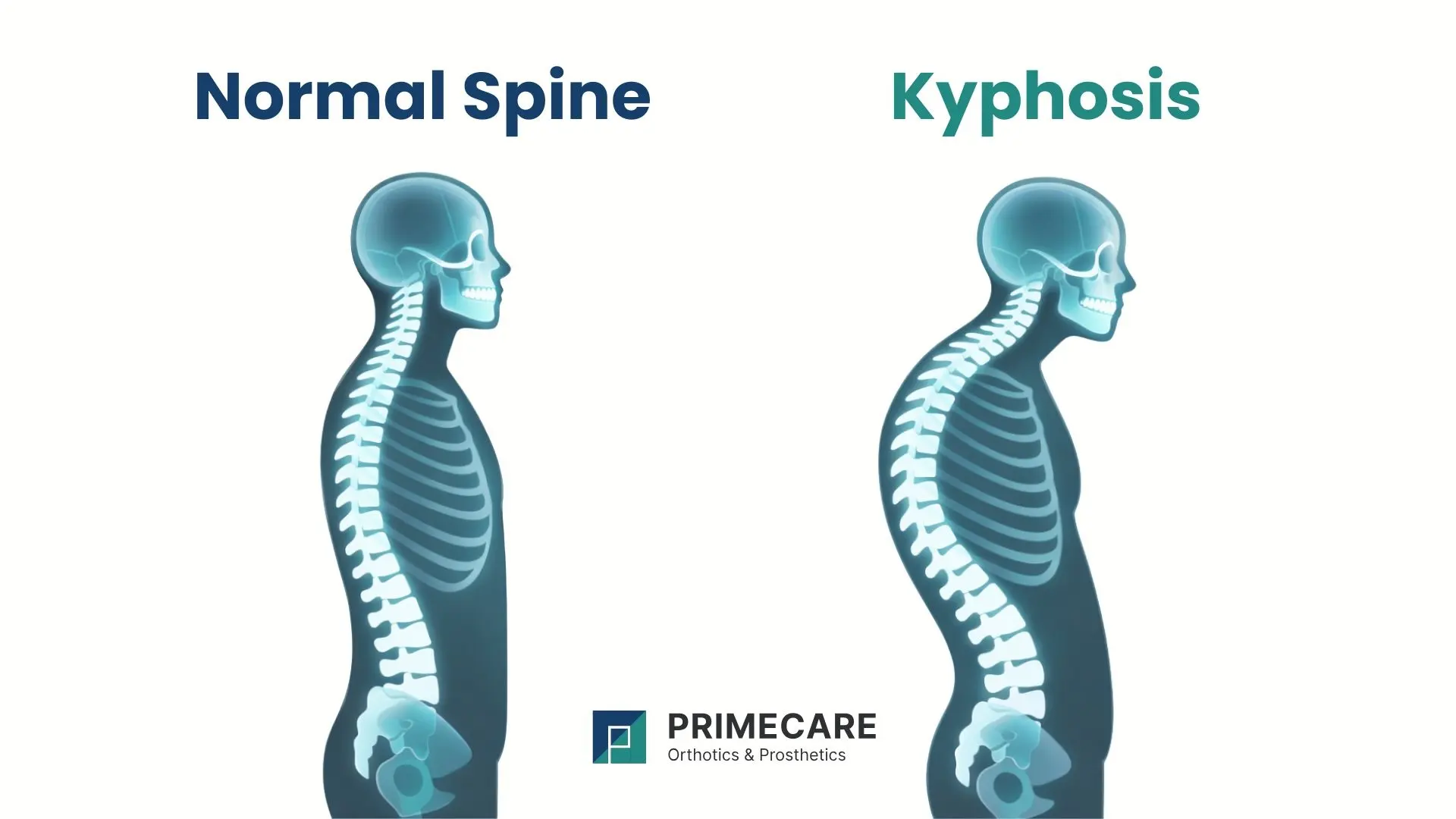
Kyphosis occurs when the spine in the upper back curves too much. A natural curve exists in the spine, but when the curve exceeds 40–50 degrees, it can lead to physical discomfort and postural problems. In more advanced cases, kyphosis can interfere with breathing or compress nerves.
How Common Is Kyphosis?
Kyphosis is common, especially among older adults. Between 20% and 40% of people over 60 experience some form of kyphosis, often due to age-related spinal degeneration like osteoporosis. However, the condition can also affect adolescents, particularly those with Scheuermann’s disease.
How to Recognize Kyphosis: Main Symptoms
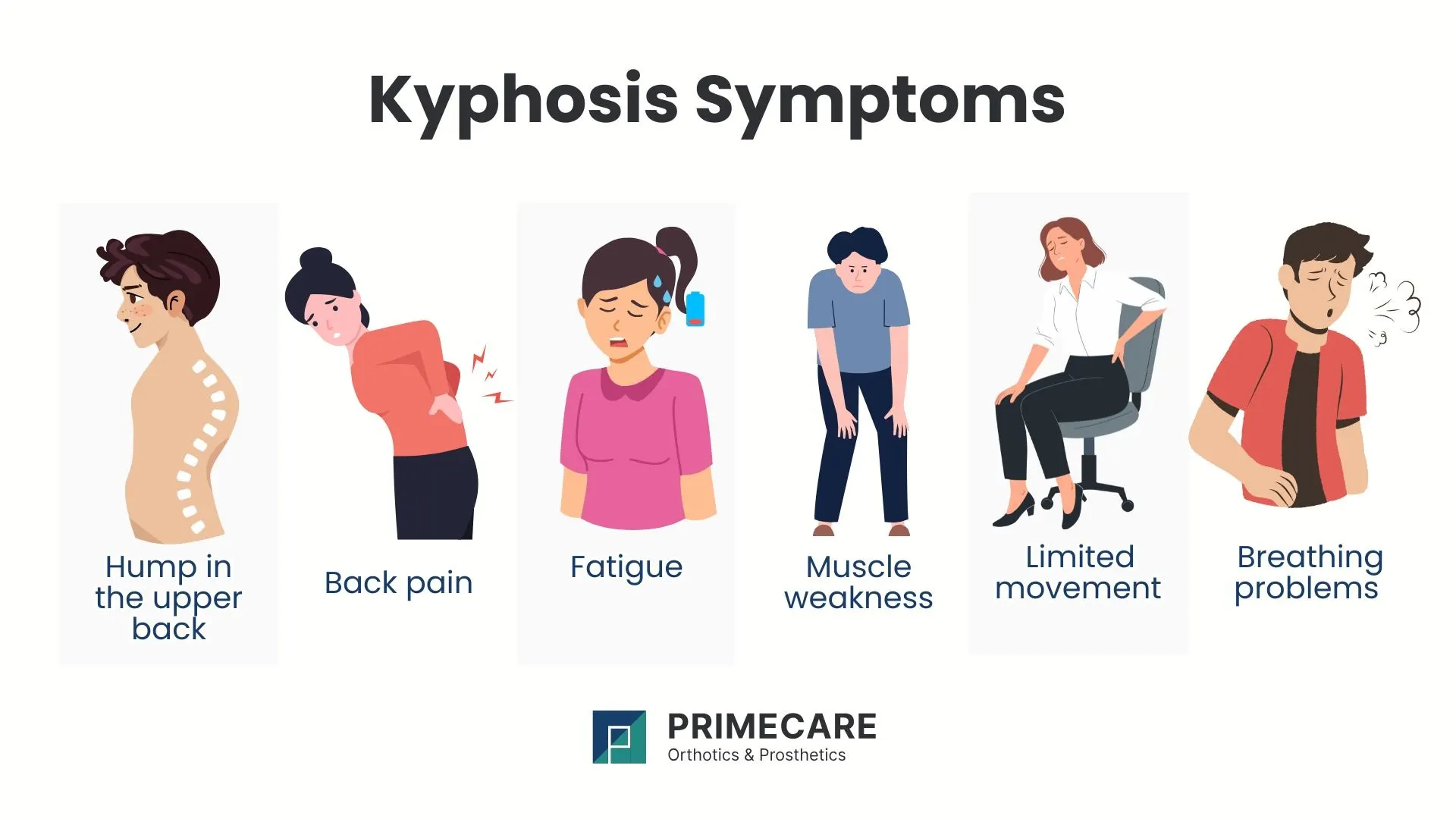
Kyphosis can show up in different ways, with symptoms ranging from mild discomfort to significant issues. Common symptoms include:
- A visible hump in the upper back, especially when standing or sitting for long periods.
- Back pain that may come and go, often made worse by activity or poor posture.
- Fatigue caused by the spine’s misalignment, leading to muscle strain.
- Muscle weakness around the spine, which makes maintaining good posture difficult.
- Limited movement due to the spine’s stiffness in severe cases.
- Breathing problems occur in extreme cases when the curve compresses the chest and lungs.
Even mild cases of kyphosis can gradually affect posture, movement, and energy levels.
Possible Consequences of Kyphosis
If kyphosis isn’t addressed, it can cause:
- Chronic back pain: Pain that intensifies with prolonged sitting or standing.
- Restricted lung capacity: Difficulty breathing, especially during physical activity.
- Nerve compression: Tingling, numbness, or weakness in the limbs due to pressure on spinal nerves.
- Impaired posture: A noticeable, rounded back that affects daily activities and appearance.
- Increased risk of falls: Impaired balance can lead to a higher likelihood of falls and fractures.
Main Types of Kyphosis

Kyphosis manifests in several forms, each with specific features and treatment needs. Below, we’ve outlined the main types:
Postural Kyphosis
This type is common among adolescents and young adults, and it’s often caused by poor posture over time. The curvature is flexible and can be corrected with posture training and exercise.
- Characteristics: A noticeable hump in the upper back, especially when slouching or sitting for long periods. Mild pain may occur after extended periods of poor posture.
- Causes: Often a result of slouching, sitting in improper positions, and muscle weakness.
- Treatment: Corrective exercises, posture training, and braces for growing adolescents.
Scheuermann’s Kyphosis
This type of kyphosis develops during adolescence and is more rigid. It’s caused by abnormal growth of the vertebrae, which leads to a more severe curve.
- Characteristics: A rigid, exaggerated curve in the upper back that often comes with pain and stiffness.
- Causes: Abnormal vertebral growth during adolescence, often hereditary.
- Treatment: Bracing for moderate cases, and surgery for severe cases. Physical therapy may also help alleviate pain and improve posture.
Degenerative Kyphosis
More common in older adults, this type results from wear and tear on the spine due to aging. The vertebral discs break down, causing the spine to curve more.
- Characteristics: A gradual worsening of the curve, usually accompanied by lower back pain.
- Causes: Age-related degeneration of the spine, often worsened by conditions like osteoporosis or arthritis.
- Treatment: Pain relief (NSAIDs or injections), physical therapy, and in severe cases, surgery to stabilize the spine.
Congenital Kyphosis
Congenital kyphosis occurs at birth and is caused by improper spinal development in the womb. This type is often more severe and can worsen as the child grows.
- Characteristics: Severe curvature of the spine present at birth, which can worsen with growth.
- Causes: Abnormal vertebral development during fetal development.
- Treatment: Surgery is usually needed early in life to correct the deformity and prevent further complications.
How Is Kyphosis Diagnosed?
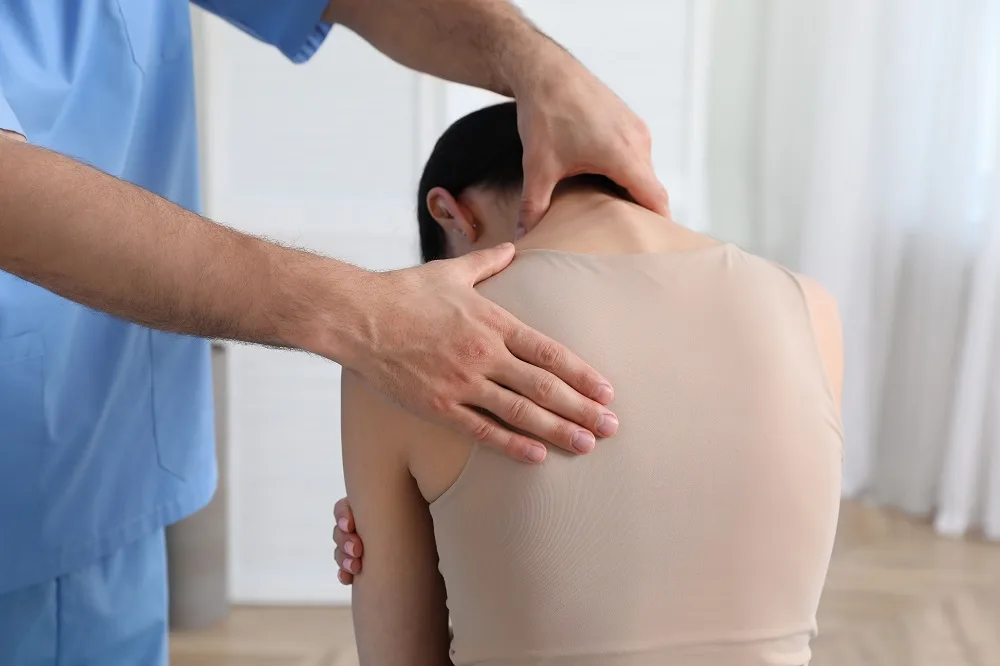
Doctors typically use a combination of physical exams and imaging tests to diagnose kyphosis:
- Physical exam: A doctor will check your spine for visible curvature and assess your posture.
- X-rays: X-ray images help determine the degree of curvature and identify any vertebral abnormalities.
- MRI or CT scans: These may be used to examine the spine in more detail, especially if nerve compression is suspected.
What Are the Main Causes of Kyphosis?
Kyphosis can result from a variety of factors, including:
- Poor posture (postural kyphosis)
- Spinal degeneration due to aging (degenerative kyphosis)
- Congenital spinal deformities (congenital kyphosis)
- Spinal injuries or fractures
- Weak muscles or imbalances that affect spinal alignment
- Genetic factors, which may contribute to abnormal spinal growth
Kyphosis Treatment Options
Treatment depends on the severity of the condition and the type of kyphosis. Some options include:
- Physical therapy sessions: Targeted exercises to strengthen muscles and improve spinal alignment.
- Pain management: Medications such as NSAIDs or injections to control pain and inflammation.
- Bracing: Orthotic devices that help support the spine and prevent further curvature, particularly for growing adolescents.
- Spinal surgery: In severe cases, spinal fusion surgery may be needed to correct the curvature and relieve nerve compression.
Treatment is most effective when it targets the individual’s specific curvature, lifestyle, and age. Combining physical therapy, pain management, bracing, and, in select cases, surgery allows patients to maintain mobility, reduce discomfort, and prevent further spinal changes.
Orthotics for Kyphosis: Braces
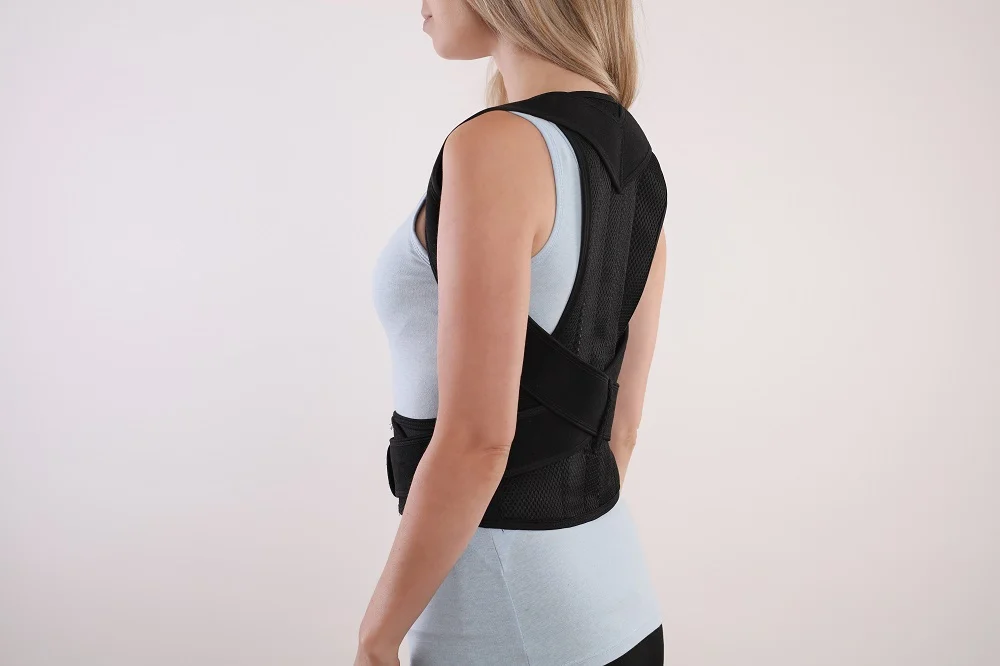
Spinal braces are commonly used to manage kyphosis by providing stability and support. They help prevent the condition from worsening and can alleviate pain.
Thoracolumbosacral Orthosis (TLSO)
A rigid, full-body brace that’s used for more severe cases, offering support from the thoracic to sacral regions.
Kyphotic Brace
Specifically designed for postural kyphosis, this brace applies corrective pressure to the upper spine.
Corset Braces
These flexible braces provide moderate support for mild kyphosis or degenerative cases in adults.
Dynamic Spinal Orthoses
Braces that apply a gradual, corrective force to realign the spine over time, ideal for moderate kyphosis.
Lumbosacral Orthosis (LSO Spine Brace)
LSO spine braces provide support to the lower back, especially for those with additional lower back pain.
Cervical Thoracic Lumbosacral Orthosis (CTLSO Brace)
A comprehensive brace for severe kyphosis, providing full-body support for spinal stabilization.
Cervical Thoracic Orthosis (CTO)
Targets the upper spine and neck, stabilizing these regions and reducing pain.
Wearing a back brace is more than temporary support — it guides the spine toward better alignment while protecting surrounding muscles and joints from strain.
How You Can Prevent Kyphosis
While it’s not always possible to prevent kyphosis, these practices can help reduce the risk:
- Maintain good posture: Check your posture regularly, especially during prolonged sitting or standing.
- Strengthen your core: A strong core helps support the spine and promotes proper alignment.
- Proper nutrition: Ensure adequate calcium and vitamin D for bone health.
- Safe lifting techniques: Protect your back by using correct lifting methods.
We encourage you to incorporate preventive strategies into your daily routines for optimal results.