
.svg)
.svg)


Custom Above-Knee Prosthetics Solutions in New Mexico
Just because you lost a leg doesn’t mean your independence is gone. At Prime Care Prosthetics & Orthotics, we offer above-knee prosthetics and above-knee limb prostheses in New Mexico, for a comfortable, functional lifestyle.

Personalized Above Knee Prosthetics and Sockets
An above-the-knee prosthetic leg helps restore stable walking, effective weight transfer, and everyday mobility after a transfemoral amputation caused by trauma, vascular disease, infection, or other conditions that affect limb health.
At PrimeCare, we fit prosthetics above-the-knee for patients in Las Cruces and across New Mexico, with each system built around socket fit, knee control, foot response, and the physical demands of your day.
Our team at Prime Care is dedicated to assisting you, whether you’re actively looking for a custom prosthetic in the Las Cruces, NM region or are just beginning to investigate your possibilities. We’re here to address your concerns and offer expert guidance throughout your journey.


Above-Knee Prosthesis Components
An above-knee prosthetic leg usually includes a custom socket, suspension system, prosthetic knee, pylon, and prosthetic foot. Each part affects comfort, gait, and daily function.


Ready for Something That Feels More Stable?
If you’re looking for a reliable and knowledgeable company for your above-knee prosthetic, get in touch with PrimeCare Orthotics and Prosthetics today.
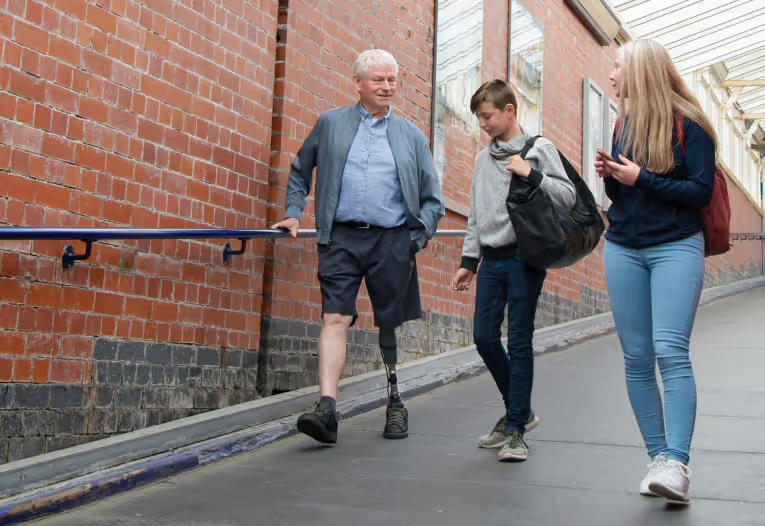
Bespoke Socket Fabrication for Above-the-Knee Prostheses
PrimeCare delivers expertly tailored socket solutions for above-knee prosthetic legs. Our focus is on customizing each socket to fit the unique contours and movement needs of our clients. For many patients, especially those recovering from diabetic complications or vascular conditions like PAD, careful pressure distribution is critical to avoid skin breakdown.

This personalized approach enhances the overall functionality of the prosthetic leg, facilitating greater mobility and confidence in daily activities. With PrimeCare, clients can expect a prosthetic leg socket that not only fits their physical requirements but also aligns with their lifestyle for a smoother transition to enhanced mobility.
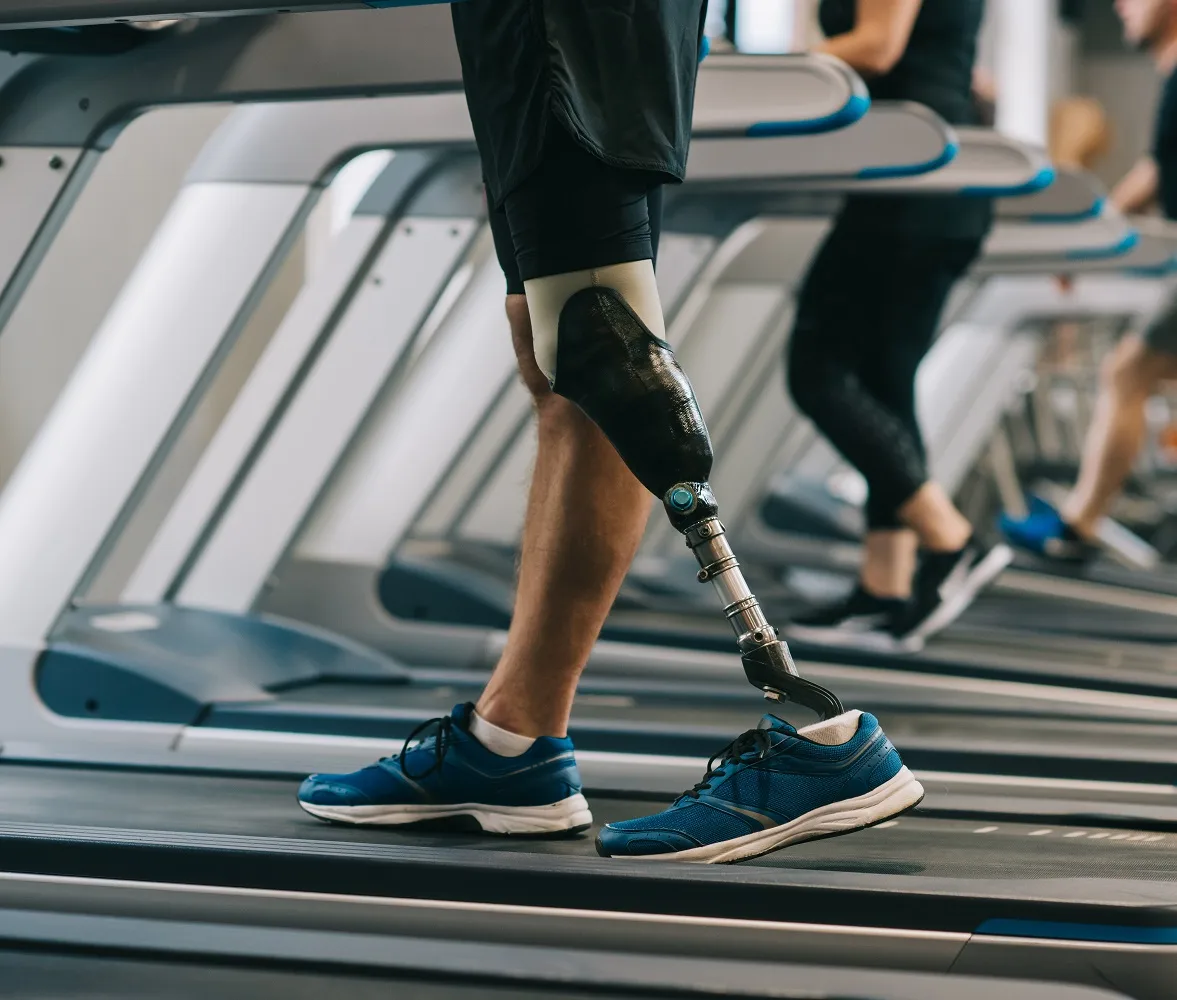
Adjustable Socket Technology for a Better Prosthetic Fit: Now More Accessible Through Medicare
A comfortable prosthesis starts with a socket that fits your body throughout the day. For many patients, limb volume changes, swelling, or socket looseness can make walking, standing, and daily movement more difficult.
PrimeCare provides adjustable prosthetic socket solutions designed to help patients fine-tune their fit as their limb changes. With recent Medicare and insurance coverage updates, these advanced socket options may now be more accessible when medically necessary.
Our team can evaluate your current socket fit, explain whether an adjustable socket may be right for you, and help verify your benefits before treatment begins.
Above-Knee Prosthetics Manufacturers We Work With


PrimeCare works with established prosthetic manufacturers to provide high-quality prosthetic solutions. By partnering with companies such as Össur, Ottobock, Fillauer, COAPT, UNYQ, and APS, we offer a range of advanced components that can be adapted to each patient’s needs to improve comfort and function.
What the Above-Knee Prosthesis Fitting Process Looks Like
.webp)
- Stage 1: First Consultation
During your initial consultation, your prosthetist reviews your medical history, discusses goals, and takes measurements. We submit this data for insurance approval, which usually takes about a week. This stage also includes documentation for billing & insurance review, so you understand coverage before moving forward.
- Stage 2: Insurance Approval & Prosthetic Fabrication
Once insurance approves, we send your specs to our world-renowned prosthetics provider, Össur. Each part is deliberately chosen for maximum comfort to accommodate your unique condition. After the components arrive, it takes between 2-3 days to make the prosthetic.
- Stage 3: Fitting & Socket Fabrication
Your prosthetist will schedule a fitting appointment, where they will also assemble your direct socket system. Unlike most socket fabrication which takes between 2-6 weeks, we use Össur’s direct socket system, which requires 2 hours to build, meaning you receive your socket and prosthetics on the same day.
- Stage 4: Monitoring Early Progress
PrimeCare’s first-time amputees are fitted with temporary prosthetics for an initial 3-12 months. After careful monitoring and evaluation, we select definitive solutions that best suit your condition and lifestyle.
Dedicated monitoring via our app and regular checkups assessing the suitability of your prosthetic prescription as you progress is vital to ensure comfort and mobility.
- Stage 5: Delivery of Your Definitive Prosthesis
Once the preparatory device phase is complete, we use tracking app data to analyze your movement. Each final prosthesis is custom-designed, ensuring every detail supports a precise, personalized fit for the definitive version.
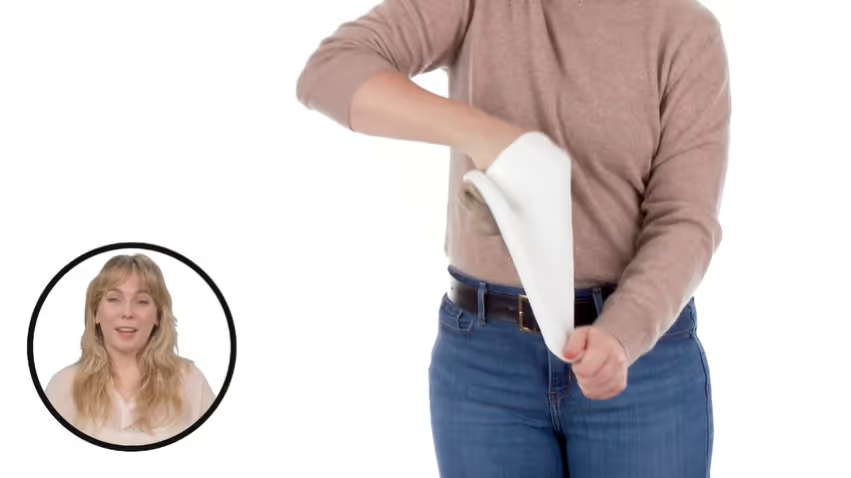

When Can You Start the Above-Knee Prosthetic Process?
Healing is the first step in getting an above-the-knee prosthetic leg. Some patients are ready for fitting within a few weeks after surgery, while others need more time before the residual limb is stable enough for a prosthesis.
First, the limb has to heal. Swelling is common after amputation, and the shape of the residual limb can change during recovery. If needed, your doctor may prescribe a shrinker to help control swelling and prepare the limb for fitting.

Next, you meet with your prosthetist. At your first appointment, your prosthetist checks the residual limb, reviews your strength and mobility, and discusses your daily needs. You’ll also go over the main parts of the prosthesis, including the socket, knee, suspension, and foot.
Then, the fitting process begins. Once the limb is healed enough, your prosthesis can be designed and fitted. Many patients start with a preparatory device before moving to a definitive prosthesis. Follow-up visits help improve fit, comfort, and function as your body adjusts.
Your Next Prosthesis Should Work Harder for You
No matter what stage of the process you’re in, we’re here to help answer your questions.
Why Choose PrimeCare for Above-Knee Prosthetics?

Personalized Support

Latest Technologies

Experienced Team
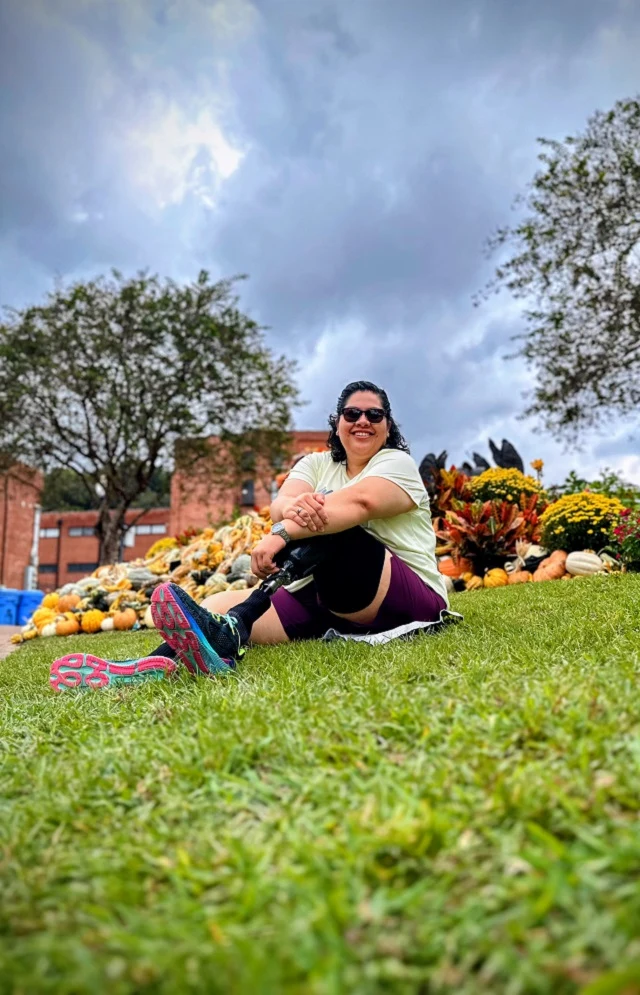
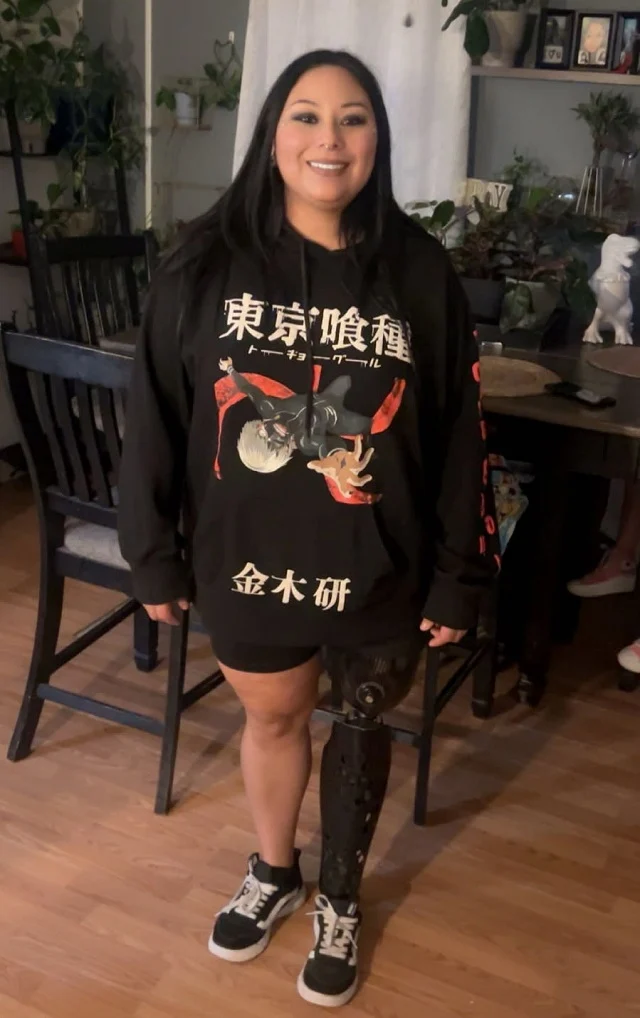
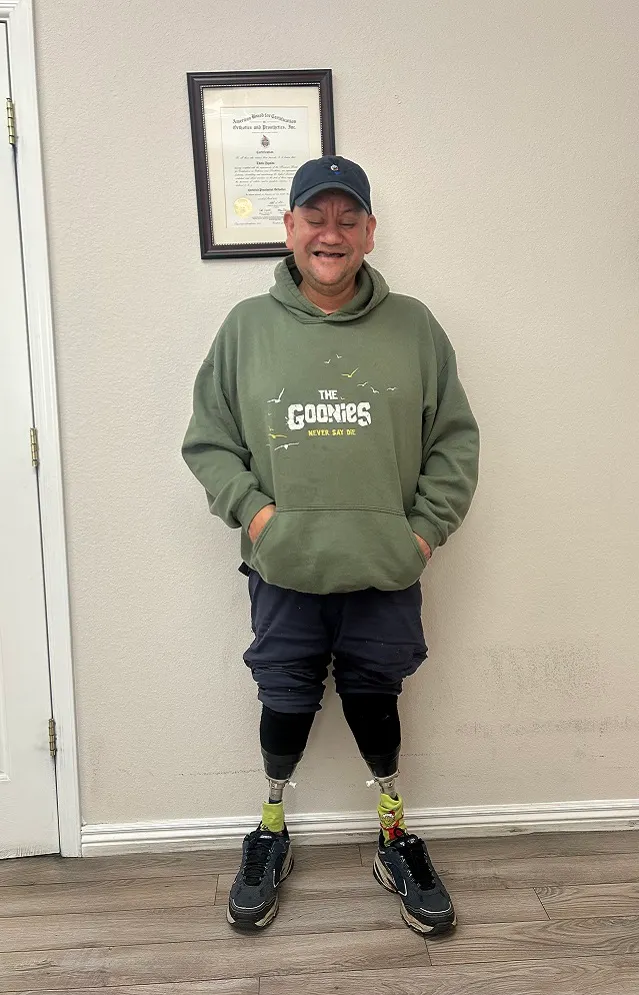
Patient Success Stories




What to Know About Insurance and Costs
Contact Local Above Knee Prosthetics Provider in New Mexico
PrimeCare is located in Las Cruces but helps patients from Ciudad Juarez, El Paso, Albuquerque and surrounding areas.
Mon-Fri: 9:00am-5:00pm
Sat-Sun: Closed
Frequently Asked Questions About Above-Knee Prosthetics
How long does it take to get an above-the-knee prosthetic leg?
The timeline depends on healing, limb condition, and insurance approval. Some patients begin the process within a few weeks after surgery, while others need more time. In certain cases, we use a preparatory prosthesis first before moving to a final device.
What is the difference between an above-knee prosthetic leg and a below-knee prosthetic?
An above-knee prosthetic leg includes a knee joint, which adds complexity to balance and movement. It requires more control, training, and precise alignment compared to below-knee prosthetics, which rely more on the natural knee.
How do I know which knee system is right for me?
The right knee depends on your balance, walking speed, daily activity, and environment. Some patients need basic stability, while others benefit from hydraulic or microprocessor knees that adjust to different walking conditions.
Will my prosthetic leg need adjustments over time?
Yes. Residual limb shape can change, especially during the first year. Follow-up visits help adjust socket fit, alignment, and components to maintain comfort and stability.