.svg)
.svg)


Weather changes can be hard on everyone, but they create unique challenges for people using prosthetics. Summer heat causes sweat and discomfort, while winter ice makes every step more dangerous. Temperature shifts affect how your prosthetic device fits and functions throughout the year.
At PrimeCare, we specialize in custom prosthetics for New Mexico residents, helping patients adapt their devices and routines to handle weather conditions. In this guide, our experts will help you understand how temperature, humidity, and seasonal changes affect your prosthetic device and provide practical solutions to help you stay comfortable year-round.
Does Weather Actually Affect Prosthetic Devices?
Yes, weather significantly impacts prosthetic limbs and how they function. Temperature extremes cause materials to expand or contract, affecting the fit of your prosthetic socket. For example, hot weather makes your residual limb swell slightly, creating a tighter fit and potential pressure points. Conversely, cold weather has the opposite effect, causing your residual limb to shrink and making the socket feel loose.
Moisture is a major factor. Rain, snow, and humidity affect prosthetic components and your skin. Even though modern prosthetic devices and artificial limbs are built with durable materials, moisture can cause rust, damage electronic components, and shorten the device's lifespan. While the majority of lower limb prosthesis systems tolerate some moisture, long exposure leads to issues. Weather-related fit changes combined with moisture create year-round challenges for prosthetic users.
How Hot Weather Affects Your Prosthetic Device

Summer temperatures create unique problems for prosthetic users. Heat makes your body sweat, and that moisture gets trapped between your residual limb and the prosthetic socket.
Excessive Sweating and Moisture Buildup
High temperatures cause your body to produce more sweat. For lower limb amputees, this creates specific challenges, such as:
- Slipping: The prosthetic socket loses its secure fit when sweat pools between the liner and your skin. You might notice your residual limb sliding around, which makes it harder to walk steadily.
- Skin irritation: Constant moisture softens your skin and makes it more vulnerable. As a result, many lower limb amputees develop rashes, chafing, or even infections from prolonged contact with sweat.
- Uncomfortable fit: Heat causes your residual limb to swell slightly. Combined with moisture, this can make your prosthetic device feel too tight or create new pressure points.
Summer Heat Management Strategies
The right products and habits are key to managing sweat and moisture levels. Taking proactive steps protects your skin and maintains proper fit:
- Use moisture-wicking liners: These specialized liners pull sweat away from your skin instead of trapping it. They dry faster than standard liners and reduce the risk of skin problems.
- Clean daily: Wash your liner with warm water and mild soap after each use, and dry it before putting it back on. This simple step prevents bacterial growth and keeps skin irritation at bay.
- Apply antiperspirant: Ask your prosthetist about using antiperspirant on your residual limb. Some products are specifically designed for prosthetic users and won't damage your liner.
- Take breaks: Give your residual limb time to air out during the day. Remove your prosthetic device for 10-15 minutes when possible to let moisture evaporate, and your skin breathe.
- Wear light clothing: Choose breathable fabrics that don't trap heat. This helps your whole body stay cooler and reduces overall sweating.
How Cold Weather Impacts Prosthetic Limbs and Protection Strategies
In a cold environment, your prosthesis and residual limb respond differently. Cold temperatures affect both your prosthetic components and your body's response to wearing the device.
Component Performance in Cold Temperatures
Cold weather can damage your prosthetic limb in several ways. When you understand these risk factors, you can take preventive action.
- Material brittleness: Cold temperatures make plastics and some metals brittle. Your prosthetic foot or socket may crack more easily if bumped or during a fall.
- Battery performance: If your lower-limb prosthesis uses electronic components, cold weather drains batteries faster. Microprocessor knees and powered ankles may not function as smoothly in winter.
- Fit changes: Your residual limb shrinks slightly in cold weather as blood vessels constrict. Wearing multiple socks may help compensate for volume loss.
Note: Cold weather can also slow healing and cause discomfort in recently healed surgery sites, though this typically affects newer amputees more than those with established residual limbs.
Winter Weather Safety Tips
Protecting your prosthetic device and yourself in the winter requires extra preparation. Strategic planning keeps you safe on icy surfaces, which is especially important during winter activities.
- Protect exposed skin and components: Use a waterproof cover over your prosthetic limb when you go outside. This shields it from snow, ice, and salt that can corrode metal parts or damage the finish.
- Improve traction: Ice and snow increase the risk of falls on slippery surfaces. Add good traction to your prosthetic foot or winter boots and footwear. Many prosthetic users also use a cane for support, and with the right gear, winter sports like skiing are even possible, too.
- Keep components warm: Store prosthetic devices in a warm, dry place overnight. For electronic components, carry spare batteries and keep them near your body to stay warm.
- Dress warmly: Use proper clothing to insulate your residual limb. Keeping your body warm improves blood flow, keeps the socket fit consistent, and reduces discomfort, especially for lower-limb amputees.
- Clear pathways: Remove ice and snow from walkways around your home, and use salt or sand on slippery areas. In parking lots and other public spaces, walk slowly and watch for black ice.
How Humidity and Air Conditioning Create Problems
Humidity affects prosthetic care beyond just hot days. The amount of moisture in the air impacts how your residual limb and prosthetic socket interact.
High Humidity Challenges
When humidity levels are high, moisture stays on your skin longer, increasing the risk of skin problems. The prosthetic socket may feel stickier and less comfortable. Bacteria grow faster in humid conditions, raising the risk of infection if your residual limb has any cuts or irritation. Many prosthetic users also notice fit changes, as residual limbs swell more in humid weather, affecting how they walk with a prosthetic leg.
Air Conditioning Effects
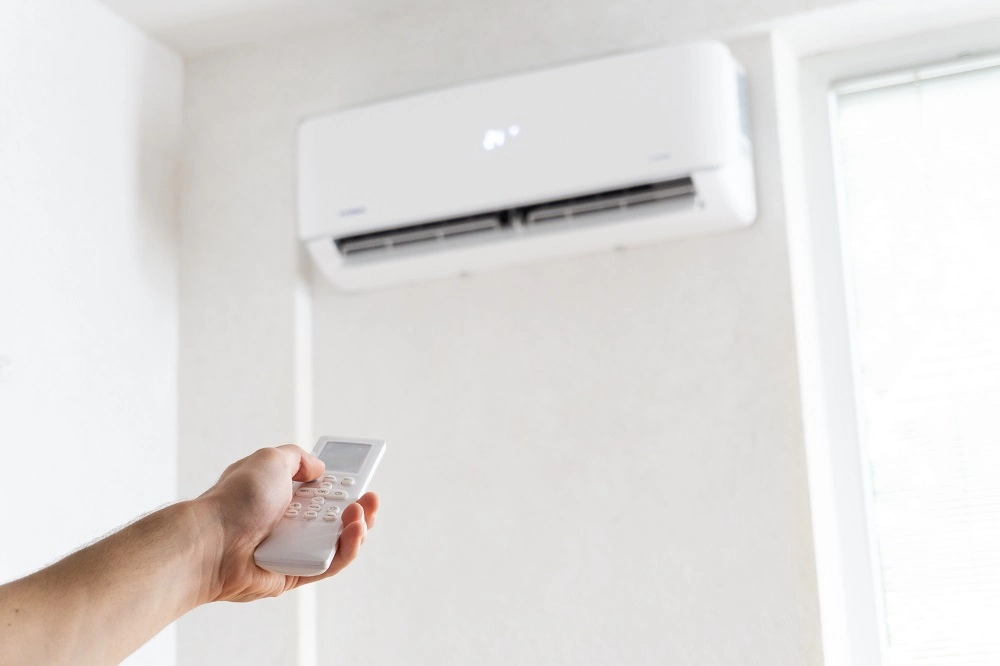
While air conditioning provides some much-needed relief from heat, unfortunately, it can dry out your skin. Dry, cracked skin on your residual limb hurts and makes wearing prosthetics uncomfortable. The temperature difference between air-conditioned spaces and outdoor heat can also cause your residual limb to swell and shrink repeatedly, ultimately impacting how it fits.
Managing Moisture Levels
Balance is key for comfortable prosthetic use in varying humidity. Smart adjustments prevent both dryness and excess moisture. We recommend using lotion on your residual limb when air conditioning dries out your skin, but apply it at night so it absorbs before you put on your prosthetic limb. During humid weather, powder can help keep skin dry.
Year-Round Maintenance Tips for All Weather Conditions
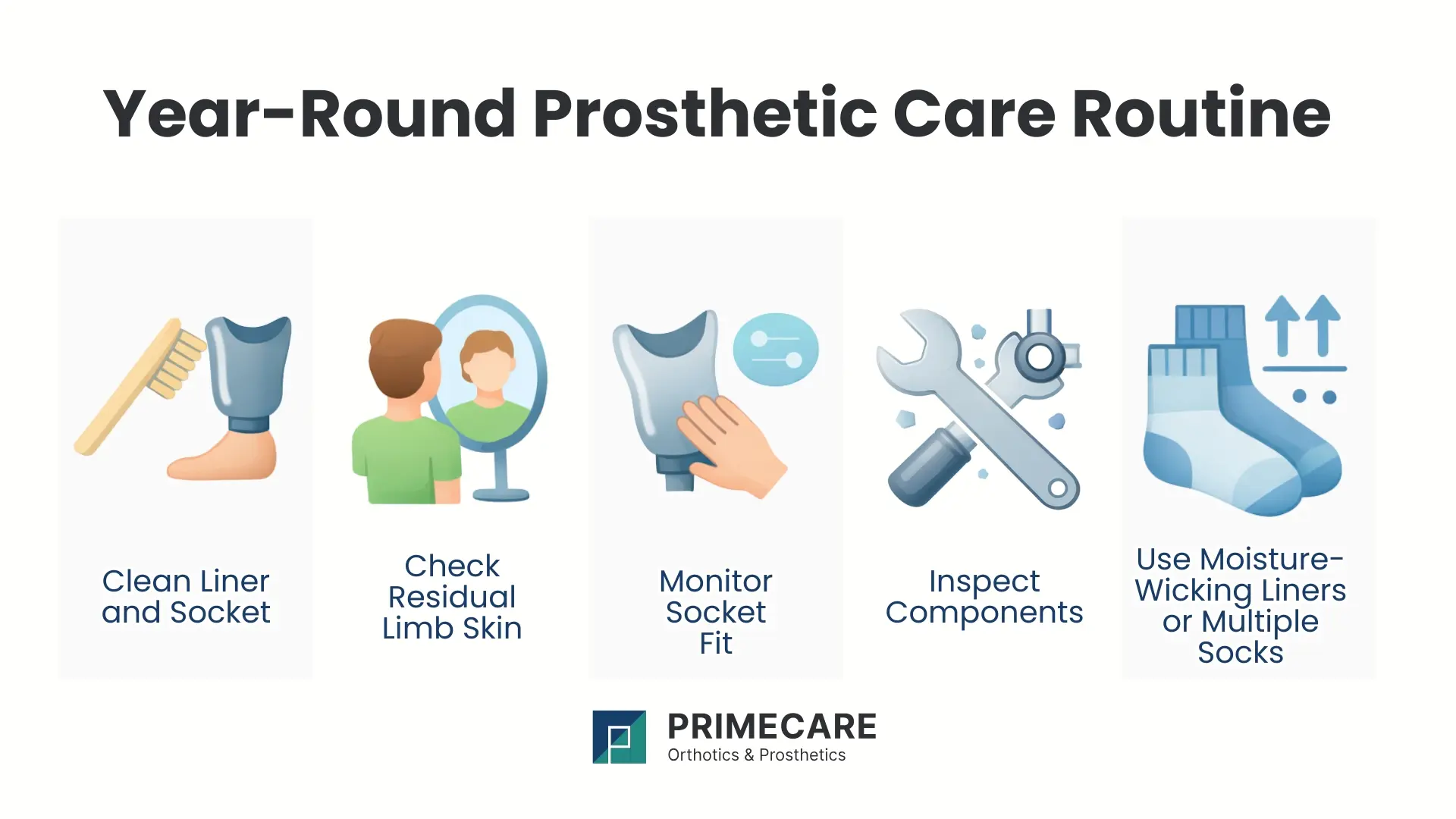
Consistent care is key to keeping your prosthetic limbs working well, regardless of weather changes. These habits protect both your device and your skin.
- Regular cleaning routine: Clean your prosthetic socket and liner daily. Wipe the socket with mild soap and a damp cloth, and wash liners according to the manufacturer's guidelines. This removes sweat, dead skin cells, and bacteria.
- Skin checks: Examine your residual limb daily for red spots, blisters, or irritation. Early detection prevents serious issues, especially during seasonal changes when moisture levels and fit shift.
- Socket fit monitoring: Weather, weight, and activity affect socket fit. If it feels too tight or loose, contact your prosthetist for minor adjustments to maintain comfort and function.
- Component inspection: Check your prosthetic foot, knee, and other components often for cracks, loose screws, or wear. Early repairs help avoid bigger issues and keep you safe during outdoor activities.
These daily habits are small, as they take only a few minutes of your time. However, they make a significant difference in how long your prosthetic leg lasts. With proper care, most prosthetic systems function well for 3-5 years before needing major updates.
Adapting Your Activity Levels to Weather
Challenging weather conditions require adjustments to how and when you do physical activities. Being smart about timing and preparation keeps you safe.
Hot Weather Activities
If possible, schedule outdoor activities for early morning or evening when temperatures are cooler. Be sure to drink plenty of water before, during, and after activity, and watch for signs of overheating, like dizziness or excessive fatigue.
Cold Weather Activities
Warm up indoors before going outside in winter. This gets your blood flowing and helps maintain better circulation in your residual limb. Dress in layers so you can adjust as you warm up from activity. Give yourself extra time to get places when snow and ice make walking slower.
Environmental Awareness
Pay attention to the weather and environmental conditions accordingly. On especially hot, cold, or icy days, consider whether an outdoor trip is truly necessary. When you do go out, tell someone your plans and expected return time, and carry a phone in case you need help. Many prosthetic users find traveling with prosthetics requires extra planning for weather-related challenges.
Why Partner with PrimeCare for Weather-Related Prosthetic Challenges?
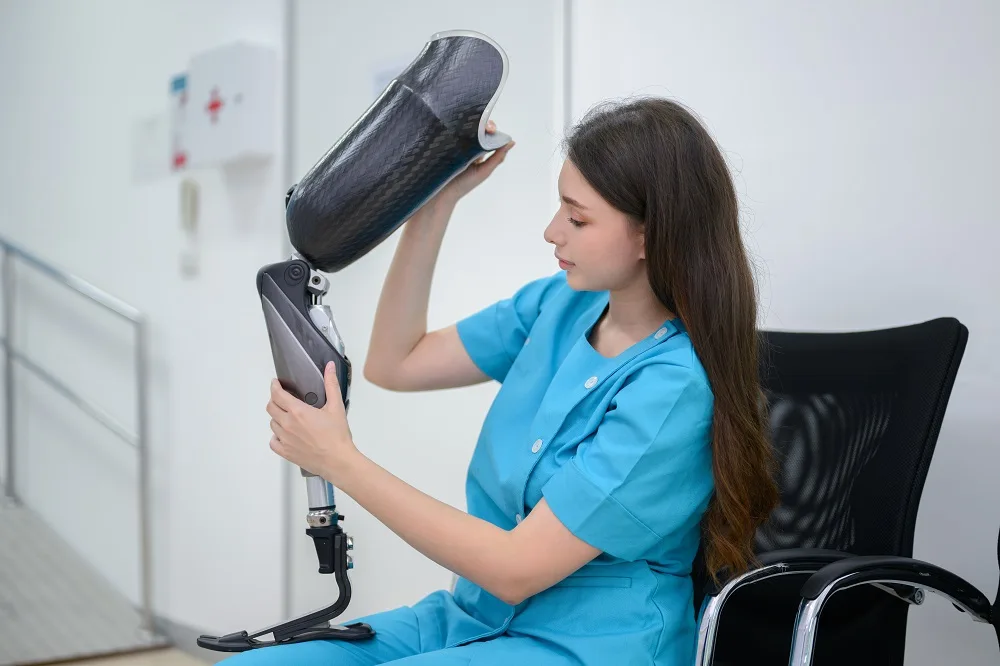
You can’t overcome weather-related fit problems alone, as you’ll need professional expertise and advanced technology. PrimeCare provides comprehensive prosthetic solutions designed to handle New Mexico's varied climate.
- Direct socket system technology: We use the Össur Direct Socket System, which creates custom-fitted prosthetic sockets in just one appointment. This technology provides a precise fit that adapts well to residual limb volume changes caused by weather.
- Specialized climate experience: We understand New Mexico’s weather challenges. Our team supports patients in Las Cruces, Albuquerque, and nearby areas where temperature swings and dry air affect prosthetic care.
- Comprehensive device options: PrimeCare offers complete prosthetic solutions from below-the-knee prosthetics to above-the-knee prosthetics and upper-limb prosthetics. We help you select components that perform well in various weather conditions.
- Ongoing support and adjustments: PrimeCare offers continuous help and support with your prosthetic socket, making quick, minor adjustments as seasonal changes affect fit.
To us, you aren’t just a number, as our team truly cares about helping you. This partnership approach combines advanced technology with local expertise. You get prosthetic devices built to handle weather challenges and a team that understands exactly what you face during different seasons in New Mexico.
Stay Comfortable and Safe in Any Weather
Weather significantly affects prosthetics, but proper care and adjustments help you manage temperature extremes and seasonal changes. Daily cleaning, skin monitoring, and appropriate clothing protect both your prosthetic devices and your residual limb year-round.
At PrimeCare, we’ve provided expert prosthetic solutions for patients across New Mexico since 2009. Our team helps you adapt to weather challenges with advanced technology and personalized support. With over 30,000 patients served and a passion for serving our community, we’re proud to help keep you safe. Contact us to discuss custom prosthetic options designed for year-round comfort.