.svg)
.svg)


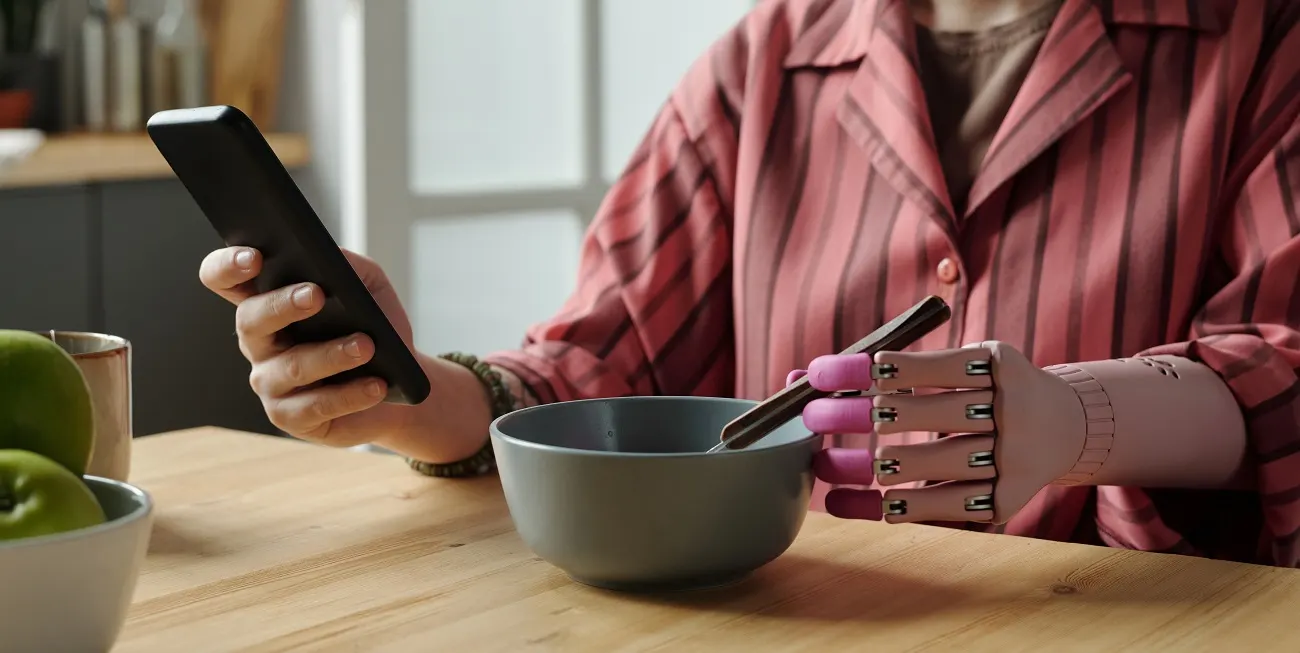


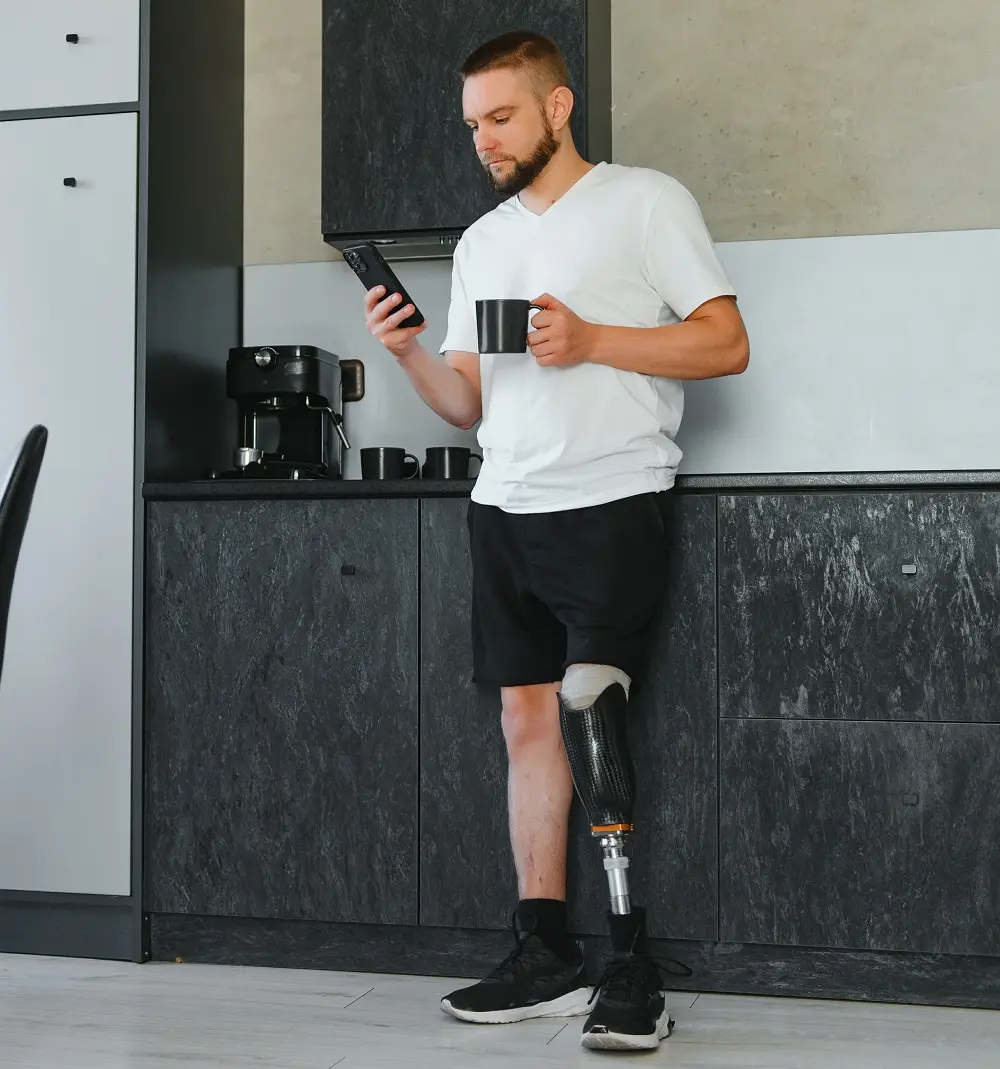
You may not realize it, but digital technology plays a direct role in limb loss care. Mobile applications allow people with limb loss to track health data, adjust prosthetic components, access peer support, and organize daily routines. Phone apps for amputees serve as practical tools that complement prosthetic limbs and clinical care, especially during long-term use.
At PrimeCare, we design and fit custom upper-limb and lower-limb prosthetics with a clear focus on real-world function, precision, and long-term outcomes. Care doesn’t stop at fitting — successful prosthetic use depends on consistency, monitoring, and ongoing adaptation beyond clinic visits. As mobile technology continues to make daily life with prosthetics easier, today’s phone apps support device management, comfort tracking, and routine use.
Why Phone Apps Matter for Daily Prosthetic Management
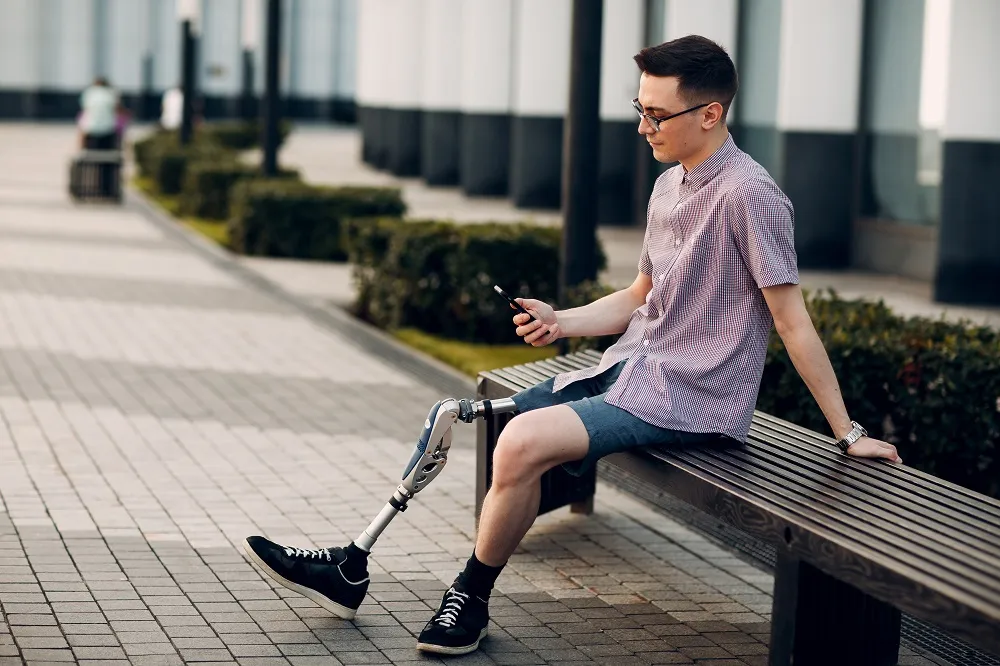
Daily schedules, health routines, mental focus, and using a prosthetic leg all require coordination. Phone apps for amputees support these needs through usage-based tracking features.
Daily Structure and Routine Support for Amputees
Once the prosthetic is installed, consistency often determines comfort and function. Mobile applications help users:
- Set reminders for prosthetic wear schedules
- Track skin checks and limb volume changes
- Organize rehabilitation exercises and daily goals
- Record activity levels and rest periods
Access to digital manuals and care instructions also shortens the response time between having a question and taking action, supporting much safer prosthetic use.
Access to Information Without Delay
Questions about prosthetic fit, limb care, or device adjustments don’t always arise during clinic hours. An app can offer educational libraries, step-by-step care instructions, and digital device manuals. Having this access shortens the response time between questions and action, helping support safe prosthetic use.
Key Mobile Tools for Amputees by Category
Phone apps for amputees cover several functional areas, from prosthetic device control to health tracking and peer support. Many of these apps are organized into modules, each focusing on different aspects of rehabilitation and fitness, such as strength, coordination, and relaxation. It’s easy for users to download these apps from app stores, making them accessible for daily use.
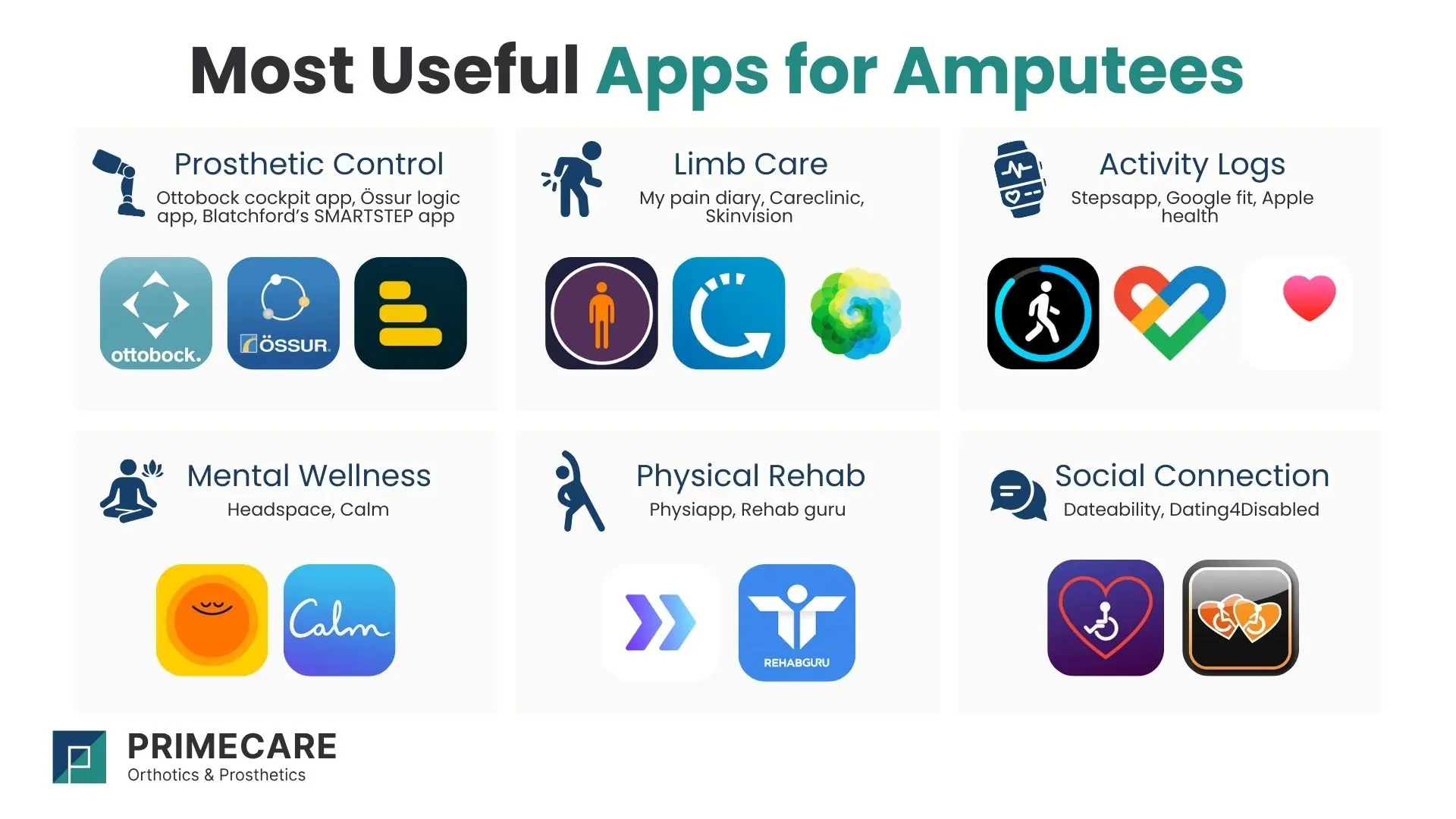
1. Mobile Apps Designed for Prosthetic Device Control
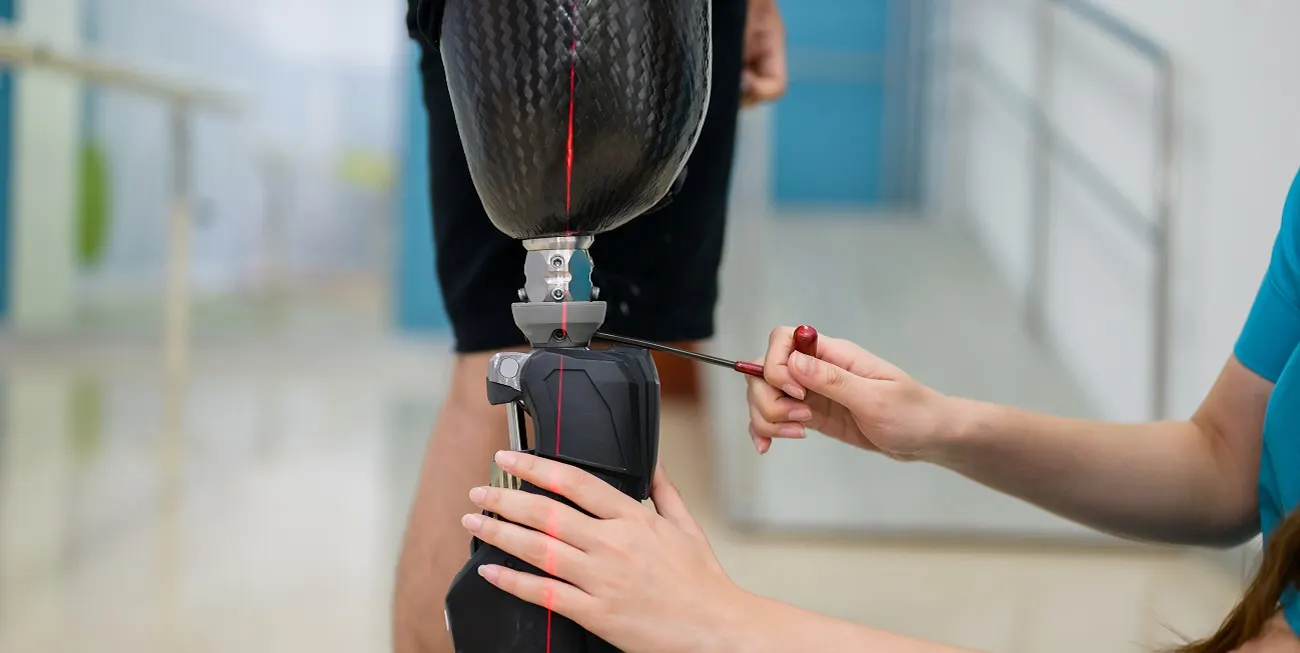
These applications connect directly to specific prosthetic components and allow adjustment, monitoring, and personalization.
- Ottobock Cockpit app (iOS & Android): Compatible with Ottobock microprocessor-controlled knees and feet; it allows activity mode selection and displays battery status.
- Össur Logic app (iOS & Android): Designed for Össur bionic knees and feet, supports Bluetooth-based prosthetic connection, and displays usage data to help gain better control.
- Blatchford’s SMARTSTEP app (iOS & Android): Used with Blatchford microprocessor knee systems to adjust response settings and access activity feedback.
Direct access to manufacturer tools helps ensure prosthetics perform reliably in any environment.
2. Health, Limb Care, and Pain Tracking Apps
These phone apps for amputees focus on physical health, residual limb care, and pain documentation.
- My Pain Diary (iOS & Android): A structured pain documentation application that allows recording of pain intensity and review of symptom patterns.
- CareClinic (iOS & Android): A health tracking application adaptable for limb loss that supports residual limb skin notes and medication reminders.
- SkinVision (iOS & Android): A skin monitoring application used for visual tracking and photo-based documentation of skin changes over time.
Regular data entry in these apps provides a clear history that helps you make informed, data-driven decisions.
3. Physical Activity and Mobility Apps for Amputees
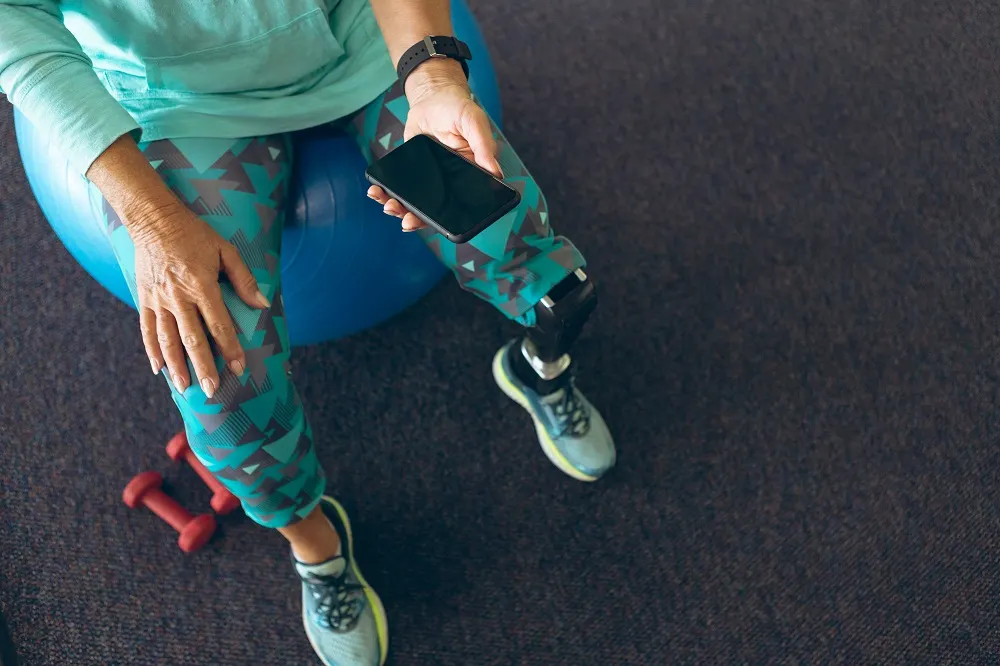
These applications support movement tracking and adaptive activity routines for a more natural gait pattern.
- StepsApp (iOS & Android): A step tracking application that displays daily and weekly counts, visualizing activity trends suitable for amputees.
- Google Fit (iOS & Android): A general fitness platform adaptable for amputees that tracks movement and allows activity goal customization.
- Apple Health (iOS only): A centralized health data system for iOS users that supports mobility metrics and data sharing.
Some individuals use mobility apps alongside vascular or circulation considerations, which may affect activity planning. Some apps recommend training two to three times a week for 5-11 minutes, helping users establish a consistent weekly routine. Using these movement logs consistently helps you reach realistic milestones throughout your recovery process.
4. Mental Health, Focus, and Emotional Balance Apps
These apps support mental focus and emotional stability after limb loss.
- Headspace (iOS & Android): A guided mental focus and relaxation platform that offers structured breathing sessions and focus exercises.
- Calm (iOS & Android): A wellness application with stress reduction tools, including relaxation exercises and sleep support content.
Mental wellness tools are key for everyone, not just amputees. They provide the necessary resilience for the challenges of daily life.
5. Community and Peer Support Apps for Amputees

These platforms connect individuals with limb loss communities and shared resources.
- Amputee Coalition Resource App (iOS & Android): Developed by the Amputee Coalition, providing educational resources and peer support connections.
- Facebook groups for amputees: Mobile-accessible peer forums that support experience sharing and discussion of prosthetic use.
Immediate connection to these platforms places shared wisdom and peer support at your fingertips.
6. Educational and Rehabilitation Support Apps
These apps focus on long-term learning and maintaining consistency with physical recovery exercises.
- PhysiApp (iOS & Android): A physical therapy support application that includes exercise libraries, visual instructions, and progress tracking features.
- Rehab Guru (iOS & Android): A platform used for rehabilitation programs that supports custom therapy plans and structured exercise routines.
Using these resources daily keeps you on track with your rehabilitation plan between clinic visits.
7. Dating Connection Apps for Amputees

These platforms are designed specifically for inclusive dating and social networks to help individuals build lasting relationships.
- Dateability (iOS & Android): An inclusive dating app designed specifically for the disabled and chronically ill community to create a safe space for connection.
- Dating4Disabled (Web-based; mobile browser access on iOS & Android): An online community and dating service that fosters friendships and romantic relationships among people with disabilities.
These social resources foster meaningful connections by providing a space where shared experiences and mutual acknowledgement of physical challenges are the foundation of every relationship.
How Amputees Can Choose the Right App
Phone apps for amputees differ by purpose, device compatibility, and data scope. When you’re selecting apps, be sure to match the prosthetic system in use and the role the app plays in your daily routines.
Here are some key points to review:
- Compatibility: Does it match the prosthetic device or phone operating system? Ensure the software is designed specifically to connect with your prosthetic leg or arm via Bluetooth.
- Interface: Is the design clear and simple to navigate? A user-friendly app allows for fast adjustments on the go.
- Security: Does the app meet data security and privacy standards? Verify that the platform encrypts your health data to protect your private information and life.
- Clinical utility: Is the collected data useful for review during follow-up visits? Choose features like pain logs or rehabilitation progress photos that elevate your services.
- Availability: Is the app accessible on your specific mobile platform? Check if the tool is available for download as a free or paid version on both iOS and Android app stores.
Some well-matched apps support consistent use and clearer outcomes over time. Remember, however, that phone apps for amputees don’t replace prosthetic care. They support continuity between visits and reinforce daily habits. When combined with precise prosthetic design and regular follow-up, digital tools are a great way to boost stability and confidence.

The Role of Digital Support in Modern Prosthetic Care
Phone apps for amputees are more than just apps; they now serve as practical extensions of prosthetic systems. They offer structure, data clarity, and direct interaction with devices and support networks. As prosthetic technology advances, digital tools continue to evolve alongside it.
With 13 years of experience serving New Mexico with prosthetic support, we at PrimeCare see firsthand how the right technology can transform the recovery process. While digital tools can support daily use and monitoring, we know that successful rehabilitation starts with a well-crafted prosthetic and a care team that understands how it performs in real life. Whether you visit us for a single visit or you need lifelong care, you’ll get the comprehensive support you deserve.
Our role goes beyond fabrication; we support long-term comfort, function, and adaptation for both upper-limb and lower-limb prosthetic users. Contact us to learn how we can help you stay connected to your health and your community.