.svg)
.svg)




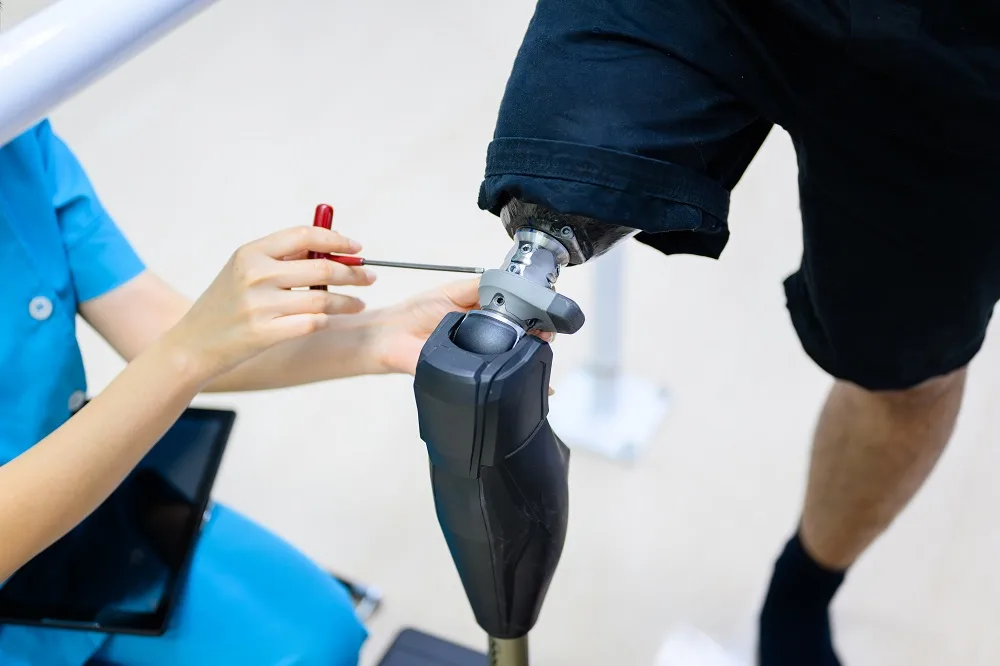
Prosthetic alignment is pivotal; it affects balance, comfort, mobility, and long-term physical health. Over time, natural body changes, device wear, and lifestyle shifts alter how a prosthesis interacts with the residual limb and the rest of the body. When alignment no longer matches the body, strain increases, and everyday tasks require more effort.
At PrimeCare, we create custom upper-limb and lower-limb prosthetics designed for everyday function, comfort, and long-term stability. Proper alignment is a key part of that process—this is why each prosthetic leg, arm, or bionic hand requires regular alignment checks to ensure it continues to perform as intended during daily activities.
Below, we explain why prosthetic alignment matters, how it affects movement and comfort, and signs that adjustments may be needed.
Why Prosthetic Alignment Needs Recalibration
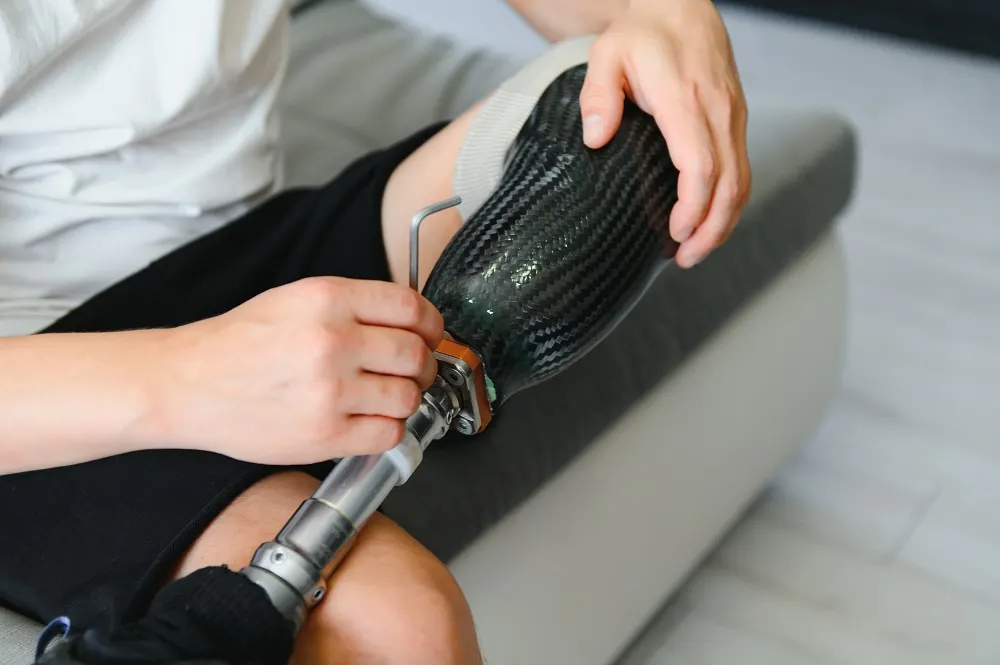
Prosthetic alignment describes how the socket, joints, and ground contact align with the body. This relationship determines how forces are distributed through the limb, joints, and muscles. Even a well-fitted prosthesis shifts out of alignment as conditions change.
This is where recalibration comes into play. It restores proper alignment, allowing the device to work with the body rather than against it. Without recalibration, small deviations develop into pain, skin problems, and reduced confidence.
Common reasons recalibration becomes necessary include:
- Changes in residual limb volume or shape due to tissue adaptation
- Weight fluctuations that alter socket fit and pressure distribution
- Component wear or loose parts that affect stability
- Shifts in activity level or lifestyle, including return to work or sports
- Completion of the adjustment period after receiving a new prosthesis
- Altered movement patterns that place stress on joints and muscles
Proper alignment supports balance, joint protection, and overall physical health.
Body Changes That Affect Prosthetic Fit over Time
The residual limb changes throughout life. These changes occur most often during the early days after limb loss, after a new prosthesis, or following changes in activity level.
Common physical changes include:
- Reduction in limb volume as swelling decreases
- Muscle adaptation caused by a new gait or arm use
- Shifts in pressure points inside the prosthetic socket
- Increased skin sensitivity in contact areas
A socket that once fits well may begin to cause poor fit, discomfort, or skin irritation. If you notice these signs, it may be time for socket adjustment and alignment recalibration.
When alignment remains uncorrected, stress transfers to the other side of the body, often affecting the knee, hip, shoulder, or spine.
When Should Alignment Recalibration Take Place?
Recalibration has different timelines. Timing depends on physical changes, prosthetic type, and lifestyle demands.
Alignment review often becomes necessary:
- Within the first months after receiving a new prosthesis
- After weight fluctuations or body composition changes
- Following changes in activity level, including increased workload
- After completing physical therapy stages that affect how you walk or move
- During regular follow-ups as part of ongoing prosthetic care
Routine review helps maintain comfort and function before discomfort limits daily life.
Signs Your Prosthetic Alignment Needs Attention
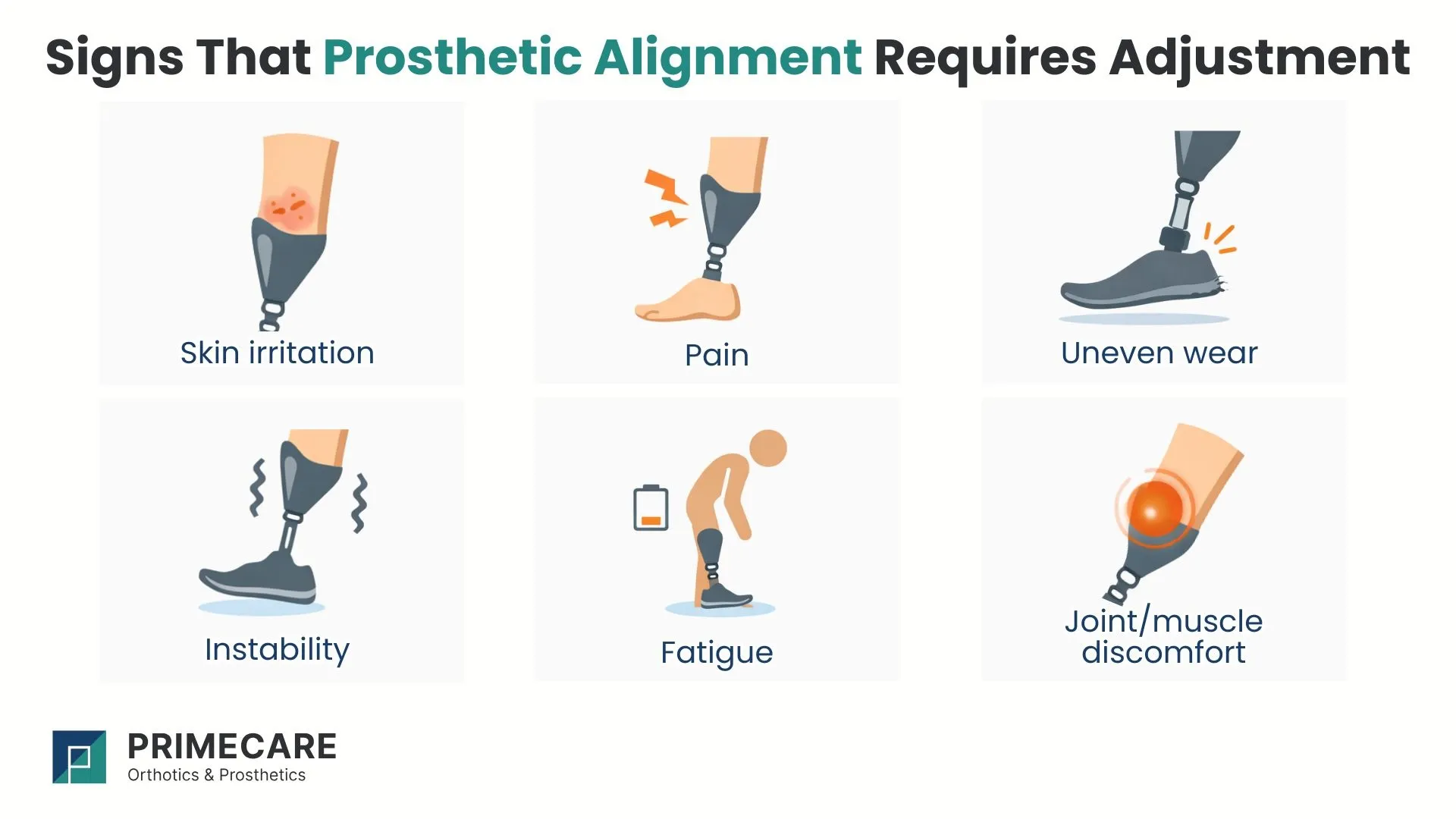
Alignment issues often develop gradually, so you’ll want to be on the lookout for signs. Early recognition is the best way to prevent long-term complications.
Common signs include:
- Skin irritation, redness, or recurring skin problems on the residual limb
- Localized pain or discomfort inside the prosthetic socket
- A device feels unstable during walking, standing, or reaching
- Uneven wear on prosthetic components or footwear
- Increased physical exhaustion during routine activity
- Reduced balance or confidence during daily tasks
- Joint or muscle discomfort away from the limb
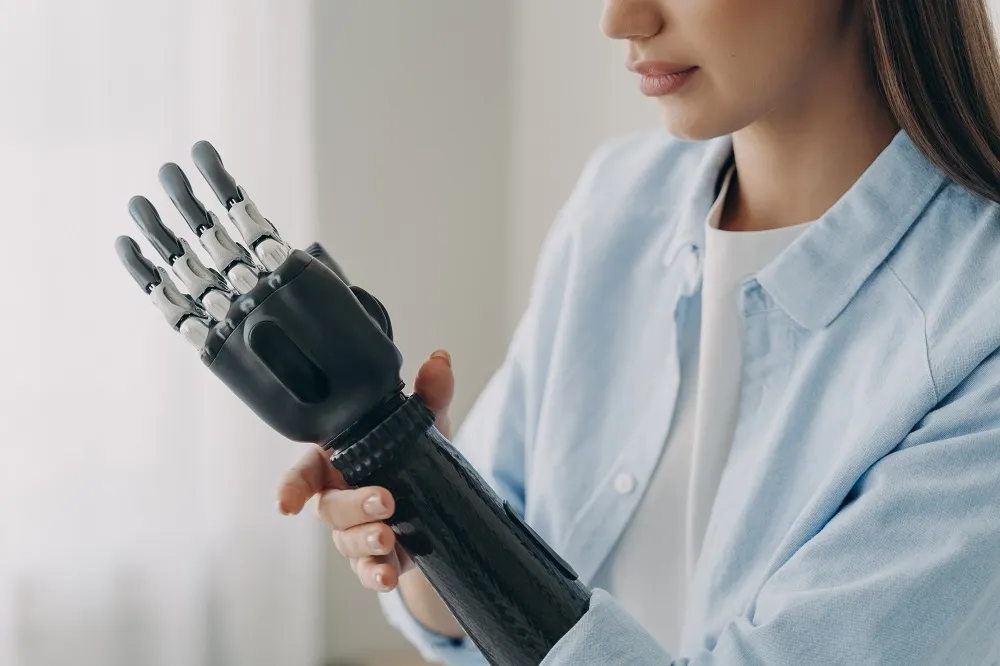
Upper limb and bionic hand users may also notice shoulder strain, reduced control, or difficulty with fine motor tasks. These symptoms indicate misalignment rather than device failure.
Risks of Delaying Prosthetic Alignment Correction
You’ll want to take action as soon as you know your alignment needs attention. Delayed recalibration affects both the prosthesis and the body. Poor alignment changes how forces travel through joints and muscles.
Potential risks include:
- Chronic pain in the limb, joints, or spine
- Joint stress affecting the knee, hip, or shoulder
- Muscle imbalance and inefficient movement
- Reduced balance and mobility
- Skin breakdown or pressure-related injury
- Increased fall risk and physical exhaustion
Over time, compensatory movements place strain on overall physical health and reduce functional independence.
Who Checks and Adjusts Prosthetic Alignment?
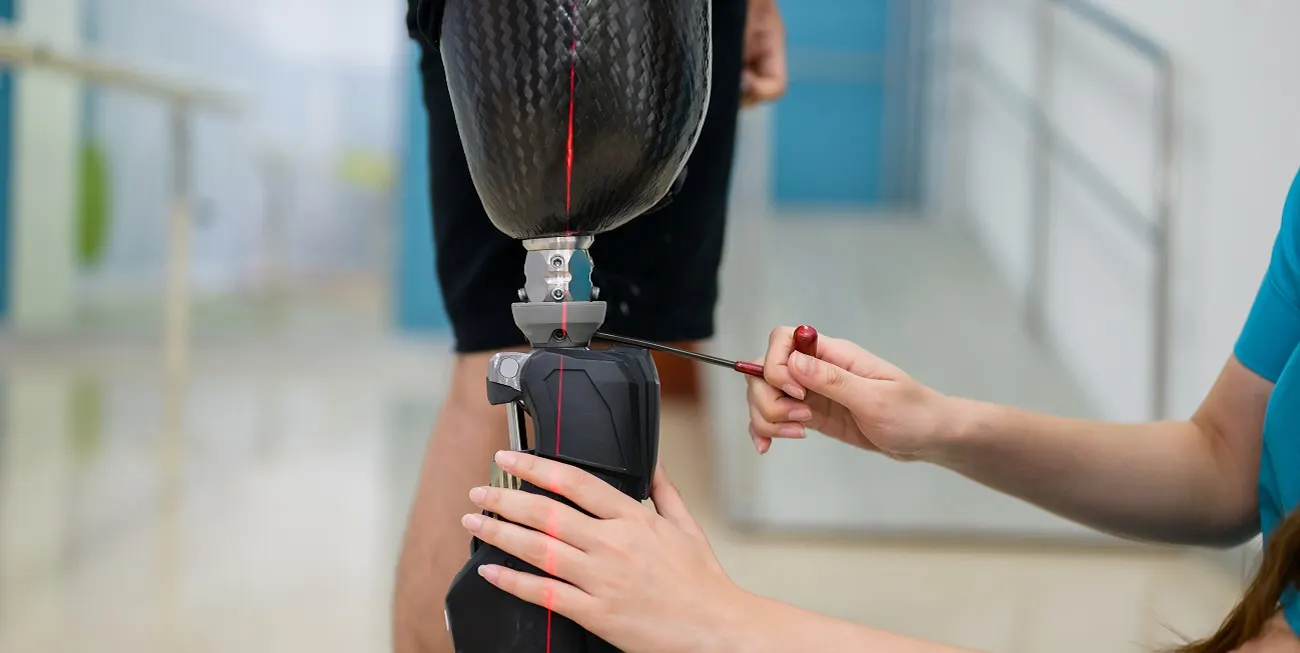
Prosthetic alignment recalibration involves coordinated input rather than isolated adjustment. The process centers on both mechanical positioning and functional movement.
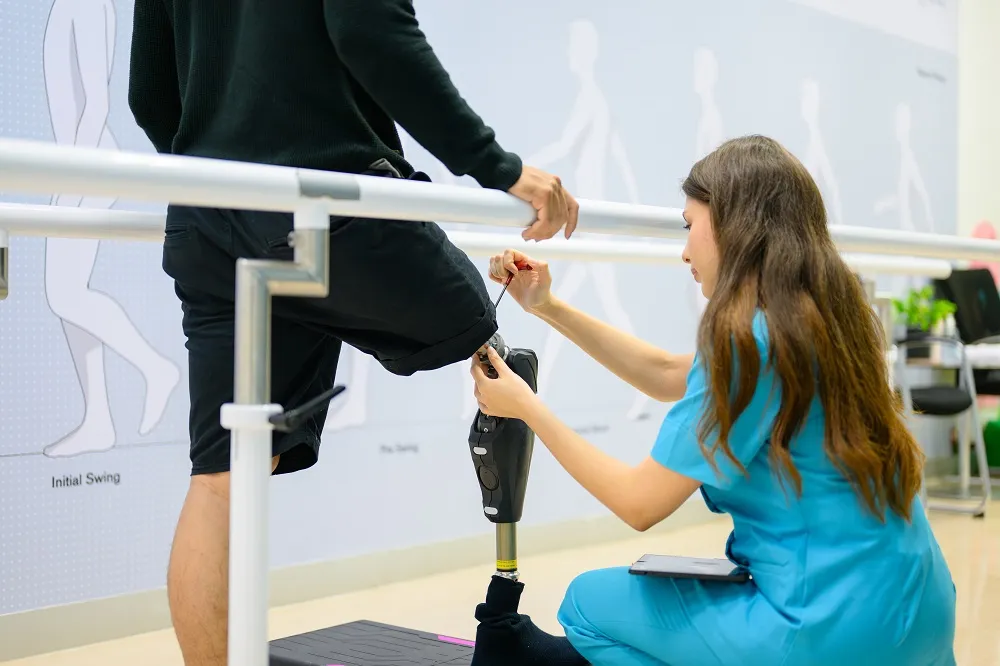
- A certified prosthetist evaluates socket fit, joint position, and component orientation.
- A physical therapist assesses gait, balance, and movement efficiency.
- For upper limb devices, an occupational therapist reviews arm use and task performance.
This combined approach identifies alignment issues that visual inspection alone may miss. Physical therapy input highlights movement patterns that influence long-term comfort, while prosthetic adjustments restore mechanical balance. A second opinion review may support complex cases or persistent discomfort.
Alignment Differences Between Types of Prosthetics
Alignment requirements vary based on prosthetic design, limb level, and functional demands. Each device distinctly interacts with the body.
Lower Limb Prosthetics
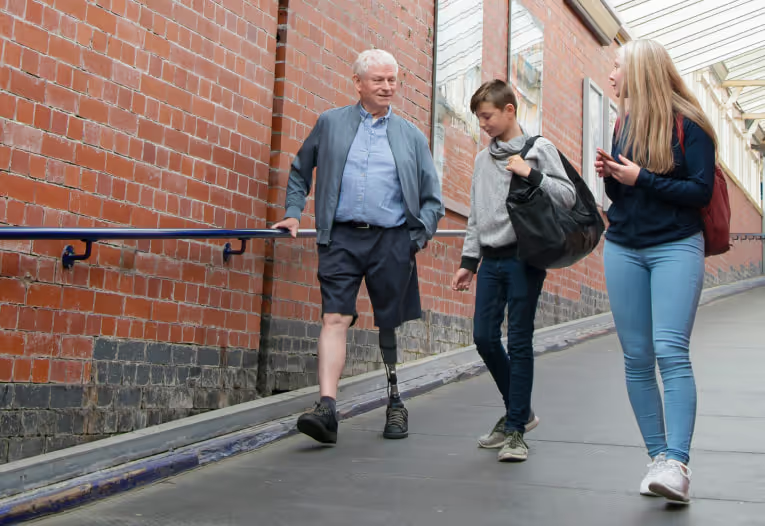
For a prosthetic leg, alignment directly affects gait, stability, and joint loading. Even small deviations increase stress on the knee, hip, and lower back.
Common lower limb alignment concerns include:
- Socket tilt changes that alter weight distribution
- Knee axis deviation that affects stability
- Foot rotation or heel height issues
- Loss of balance during the stance or swing phase
When alignment is correct, it restores symmetrical movement and reduces strain on the other side of the body.
Upper Limb Prosthetics
Upper limb alignment affects reach, endurance, and joint health. For a bionic hand, precise joint orientation supports functional control.
Common concerns include:
- An arm socket angle that alters shoulder posture
- Elbow positioning that affects reach efficiency
- Terminal device orientation that limits task accuracy
Proper alignment reduces shoulder strain and supports consistent daily task performance.
How the Prosthetic Alignment Recalibration Process Works
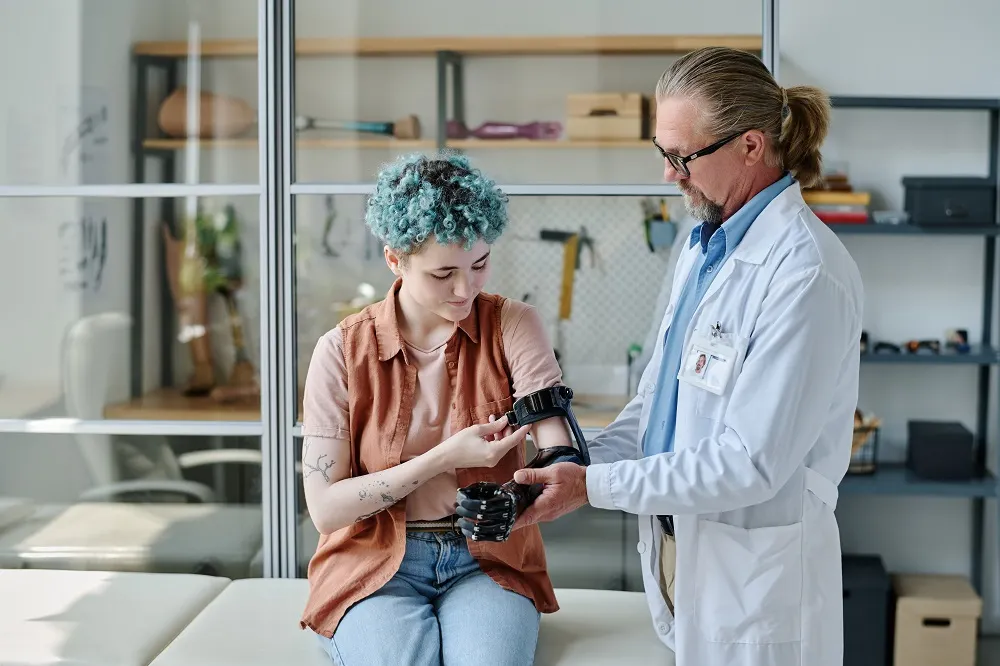
The recalibration process follows clear, structured steps designed for patient clarity and measurable improvement.
We’ve outlined the typical stages of this process:
- Discussion of symptoms, including discomfort, pain, or device concerns
- Visual and functional assessment of gait, posture, or arm use
- Inspection of the prosthetic socket and components for wear or loose parts
- Mechanical alignment correction based on clinical findings
- Functional testing during standing, walking, or everyday tasks
- Follow-up appointments to confirm long-term stability
This is a careful step-by-step approach that restores proper alignment without replacing the prosthesis unnecessarily.
How Consistent Alignment Review Supports Long-Term Stability
Regular follow-ups maintain comfort, reduce wear, and protect joints over time. Alignment recalibration is part of responsible prosthetic care, rather than a response to failure.
Benefits of ongoing review include:
- Sustained comfort throughout daily life
- Reduced stress on joints and muscles
- Lower risk of skin problems
- Improved confidence and mobility
- Support for changing lifestyle demands
Moving Forward with PrimeCare
PrimeCare focuses on precision-driven prosthetic alignment that adapts to the body over time. From early days with a new prosthesis to long-term maintenance, alignment review is a simple yet effective way to support stability, confidence, and physical health.
For individuals asking when to recalibrate their prosthetic alignment, early evaluation and regular follow-ups often prevent discomfort and preserve function across every stage of life. Contact us today to see how our experts can help.