.svg)
.svg)


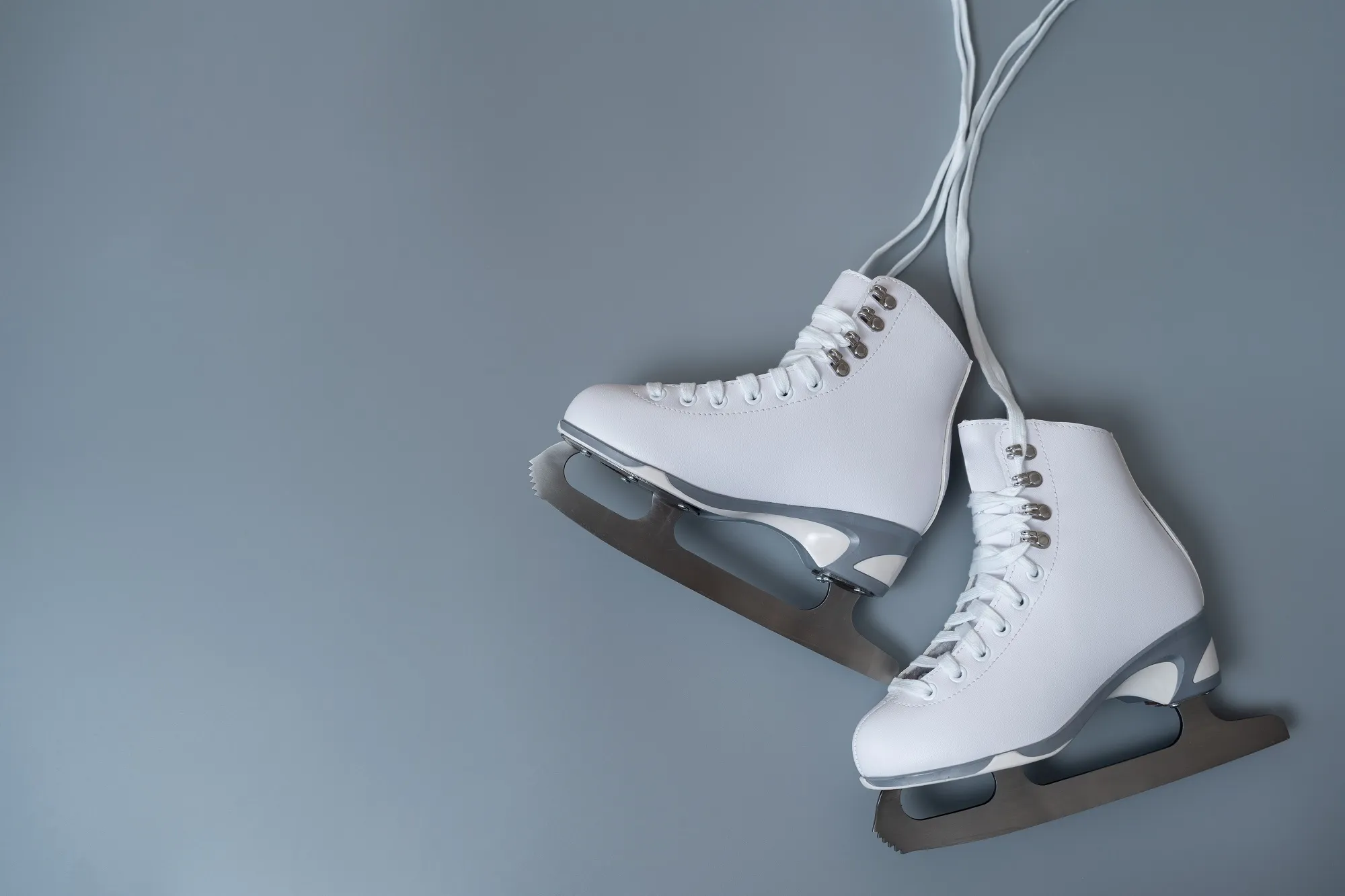


Yes, you can ice skate with a prosthetic leg, including recreational and adaptive skating, as long as the prosthesis provides proper alignment, balance control, and secure blade attachment.
Ice skating demands strong balance and precise movement. For amputee skaters, performance depends on how well the prosthetic integrates with the skate blade to provide control during every motion. Because ice highlights even minor mechanical problems, the right prosthetic setup is critical.
At PrimeCare, we create custom lower-limb prosthetics in New Mexico to help amputees pursue their dreams. Using a prosthetic leg successfully depends on how it performs during daily and recreational activities, including sports. Ice skating is one of many pursuits that require careful alignment and follow-up adjustments to support balance, control, and long-term comfort beyond standard walking.
Skating on Ice After Limb Loss: Is It Possible?
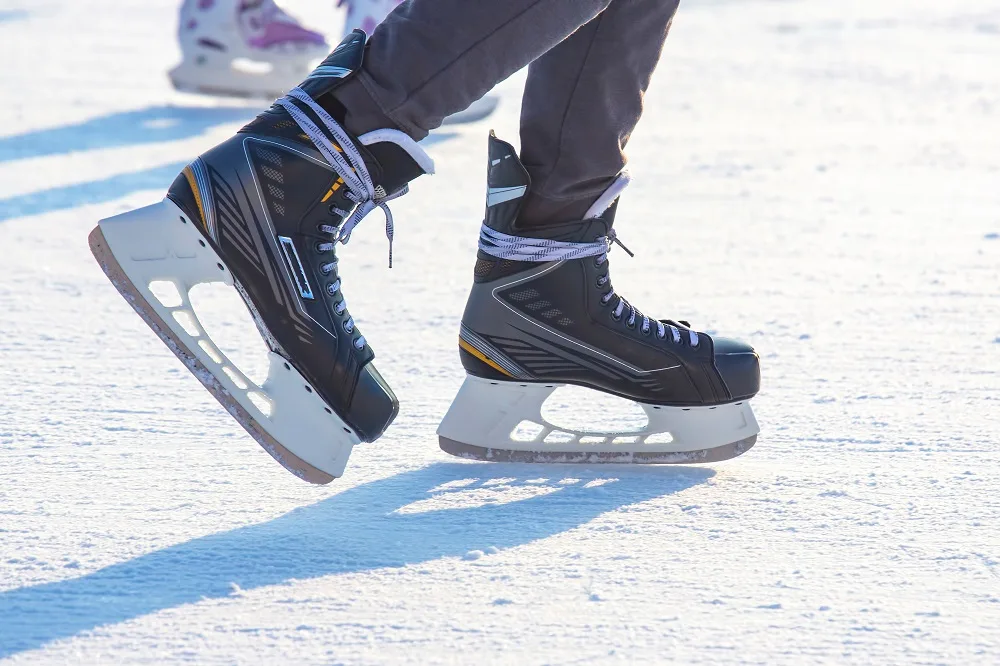
Ice skating is feasible for many amputees, including some double amputee skaters, when the prosthesis is designed and adjusted for ice-specific forces. Skating places unique loads on the leg. Unlike walking, the blade demands lateral stability, controlled edge transitions, and precise knee and ankle coordination. As you can imagine, a prosthetic leg that works well for daily life may not perform safely on ice without modification.
The level of amputation matters. Amputees with below-knee prosthetics usually have more control options because the knee joint stays intact. Amputees with above-knee prosthetics face greater balance and energy demands but can still skate with proper components and technique. The condition of the residual limb, often called the stump, also affects comfort and endurance. Skin tolerance, volume stability, and socket suspension all impact how long a person can stay on the ice.
How Amputees Ice Skate: Biomechanics on the Ice
Skating changes how force travels through the prosthetic foot and up the leg. During a glide, weight transfers smoothly from heel to toe along the blade. During pushes, the force moves laterally instead of straight forward. A prosthetic ankle joint that is too rigid may limit edge control, while one that’s too flexible may reduce stability.
Key biomechanical factors include:
- Blade alignment relative to the prosthetic foot
- Knee stability during single-leg stance
- Ankle response during push-off and edge changes
- Socket fit that prevents rotation inside the boot
For a left-foot amputee, alignment often differs slightly from a right-side setup due to dominant leg habits and skating direction preferences. Even small alignment errors result in fatigue or repeated falls.
Many amputees are forced to relearn skating skills from the beginning, as muscle memory from life before limb loss doesn’t always translate directly to prosthetic use on ice. Repetition is often the focus over speed or distance.
Prosthetic Components That Support Ice Skating
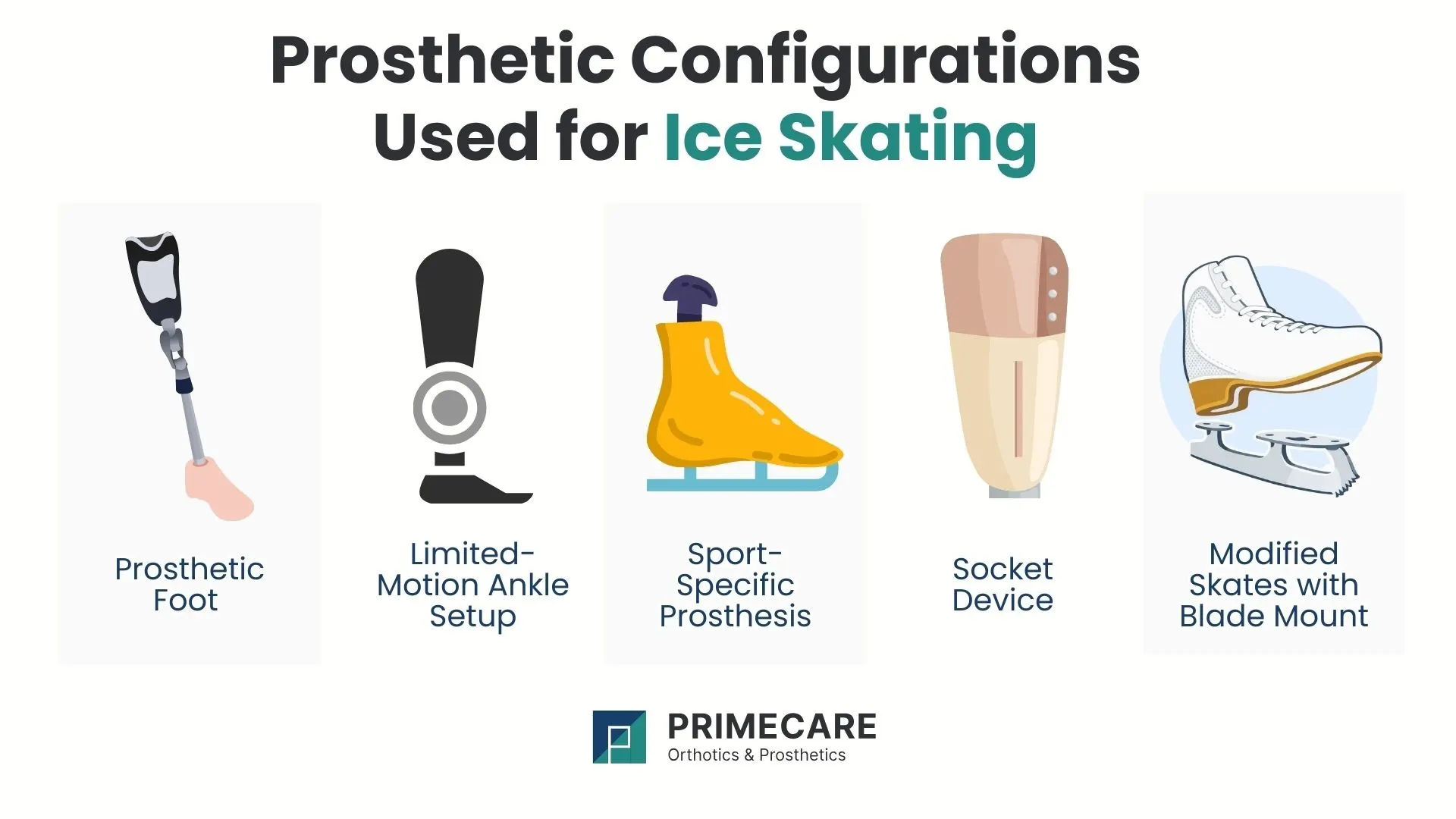
A standard walking prosthesis is rarely ideal for skating. Ice places higher torsional and lateral stress on the prosthesis, especially at the ankle and foot interface. Several component adjustments help address this.
Prosthetic Foot Selection
Some prosthetic feet perform better for skating due to torsional stability and energy return. A foot with moderate stiffness often works better than an overly flexible design. Carbon fiber feet may offer controlled rebound during push-off, but the stiffness must match the skater’s weight and skill level.
Ankle Joint Behavior
An articulated ankle joint can improve comfort, but excessive motion may reduce control. In many skating setups, the ankle is limited or locked to maintain predictable blade contact with the ice. This differs from roller skate or park activities, where shock absorption is more important.
Socket and Suspension
A secure socket prevents internal movement when the blade shifts edges. Vacuum or elevated suspension systems often provide better control than loose-fitting sockets. Any movement between the stump and the prosthesis increases the risk of falling on ice.
Sport-Specific Prostheses
Some amputees use a dedicated recreational or sport prosthesis rather than their daily leg. This allows tighter alignment tolerances and improved blade control.
Modified Skates and Blade Mounting
Most amputees use modified skates rather than off-the-shelf ice skates. The boot may be adapted to accept a prosthetic foot, or the blade may mount directly to a prosthetic adapter. Blade position is critical. A blade set too far forward or backward alters balance and stopping ability.
Who Helps Make Skating Work
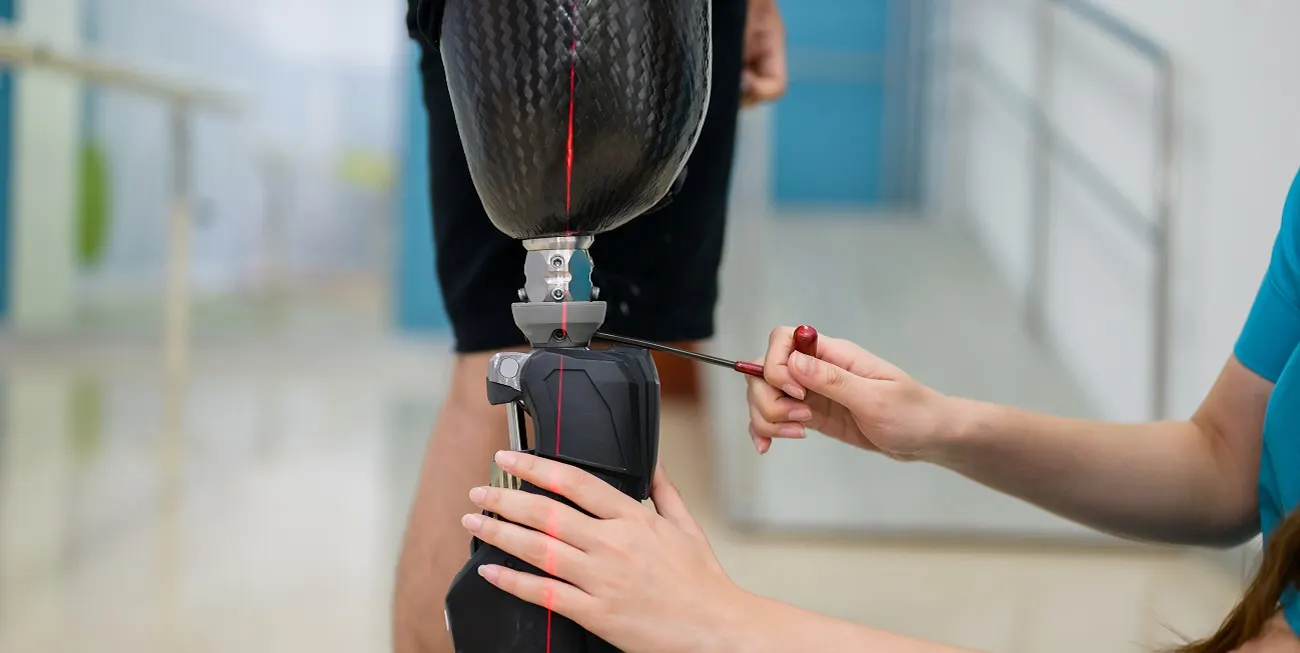
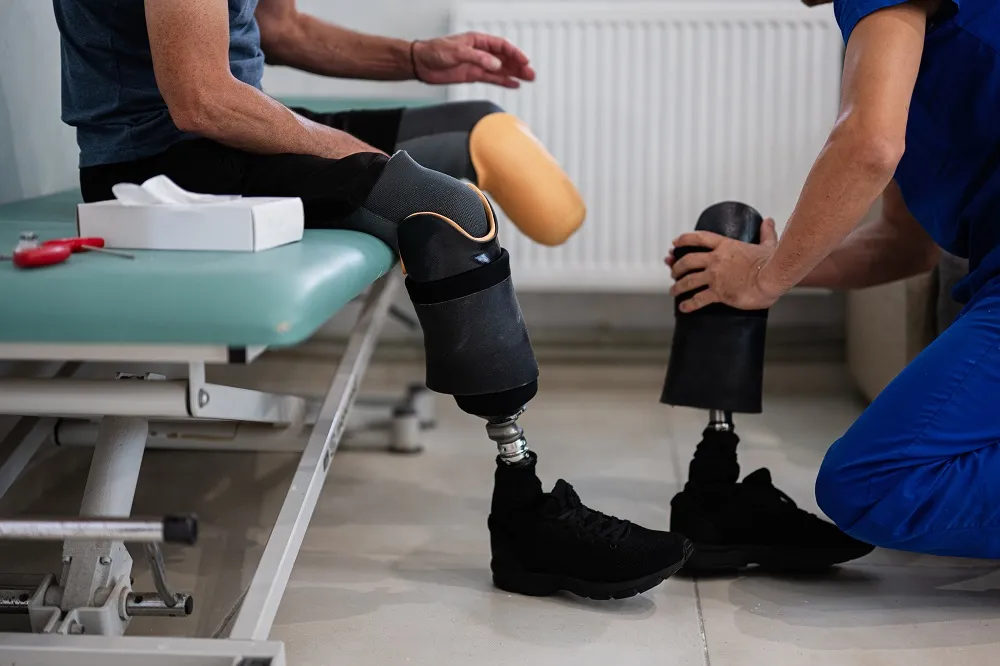
Prosthetic skating usually involves more than one professional. A prosthetist evaluates socket fit, suspension, alignment, and component compatibility. Physical therapy and consistent practice are essential for amputees to develop skating skills with a prosthetic leg.
Physical therapists or adaptive sports coaches often assist with early balance training and safe fall techniques. For a child interested in skating or hockey, pediatric adjustments are made more frequently as growth affects fit and alignment.
How Amputees Participate in Hockey, Figure Skating, and Ice Sports
Recreational skating focuses on balance and endurance. Hockey adds speed, lateral impact, and rapid starts and stops. Some amputees use sport-specific prosthetic legs for standing hockey, while others compete in sled hockey.
Figure skating places high demands on balance and knee control, especially during jumps. Some amputees participate recreationally, while competitive elements require advanced conditioning and precise alignment.

Recreational vs. Competitive Ice Skating with a Prosthetic
Not every amputee skates for competition. Recreational skating focuses on enjoyment, balance practice, and social activity. Performance skating, including figure skating or competitive hockey, requires consistent training and equipment fine-tuning.
A recreational prosthesis may share components with a daily-use leg, while performance skating often calls for a dedicated setup. We never recommend using one prosthesis for all activities, as it can compromise safety or comfort.
Amputee Athletes Who Compete on Ice and Snow
Many athletes with prosthetics participate in ice and snow sports at elite levels, showing what’s possible with the right equipment and dedicated training.
- Amy Purdy competes internationally in snowboarding with bilateral prosthetic legs.
- Josh Sundquist is a one-legged alpine skier known for adaptive ski technique.
- Billy Bridges played sled hockey at the highest competitive levels.
- Mark Zupan competed internationally in sled hockey after limb loss.
While skating setups differ from skiing or sled hockey, these athletes highlight how prosthetics support high-demand ice and snow sports.
Common Challenges Amputees Face While Ice Skating
Ice skating places unique mechanical demands on a prosthetic leg. Even with careful preparation, certain issues tend to appear and usually need technical adjustments rather than added effort.
- Socket pressure and skin stress: Standing on a narrow blade concentrates force through the prosthesis. This can increase pressure at the end of the stump or along sensitive areas inside the socket, especially during longer sessions.
- Internal rotation within the socket: Turning and stopping the torsional force on the prosthetic limb. If suspension is insufficient, slight rotation may occur between the residual limb and socket, reducing blade control.
- Knee instability during glide phases: Ice skating involves repeated single-leg support. For above-knee amputees, the prosthetic knee response may feel inconsistent. Below-knee amputees may experience increased load on the intact knee.
- Blade drift caused by alignment: Minor alignment differences can cause the blade to pull inward or outward while gliding. This effect often becomes noticeable during straight-line skating and affects stopping control.
- Limited sensory feedback from the prosthetic foot: A prosthetic foot doesn’t transmit surface feedback the way a biological foot does. Changes in edge angle or ice texture may be harder to detect, especially on resurfaced ice.
- Increased fall risk in winter: Heavy clothing and insulated boots can restrict joint movement and visual awareness of the blade, affecting posture and reaction time.
Targeted alignment changes, suspension refinement, or blade repositioning can address most of these issues instead of full prosthetic replacement.
Realistic Expectations and Consistency
Ice skating with a prosthetic leg is possible, but it requires patience. Like most things in life, progress rarely follows a straight line. Some days feel stable; others feel unsteady. Consistent practice, careful monitoring of skin health, and open communication with a prosthetist support long-term participation. Many amputees go on to skate recreationally for years once they achieve a stable setup. The key lies in treating skating as its own activity with its own equipment needs, not an extension of everyday walking.
Building Confidence on the Ice
Ice skating after limb loss is not about replicating someone else’s experience. It is about building a setup that works with your body, your prosthesis, and your goals. Equipment, alignment, and training must match the forces of ice rather than pavement.
PrimeCare supports amputees who want to explore recreational activities like ice skating with a clear, clinical, and compassionate approach. From component selection to alignment review, the focus stays on safety, function, and long-term comfort for life beyond the clinic. Contact us today to get started.