
.svg)
.svg)


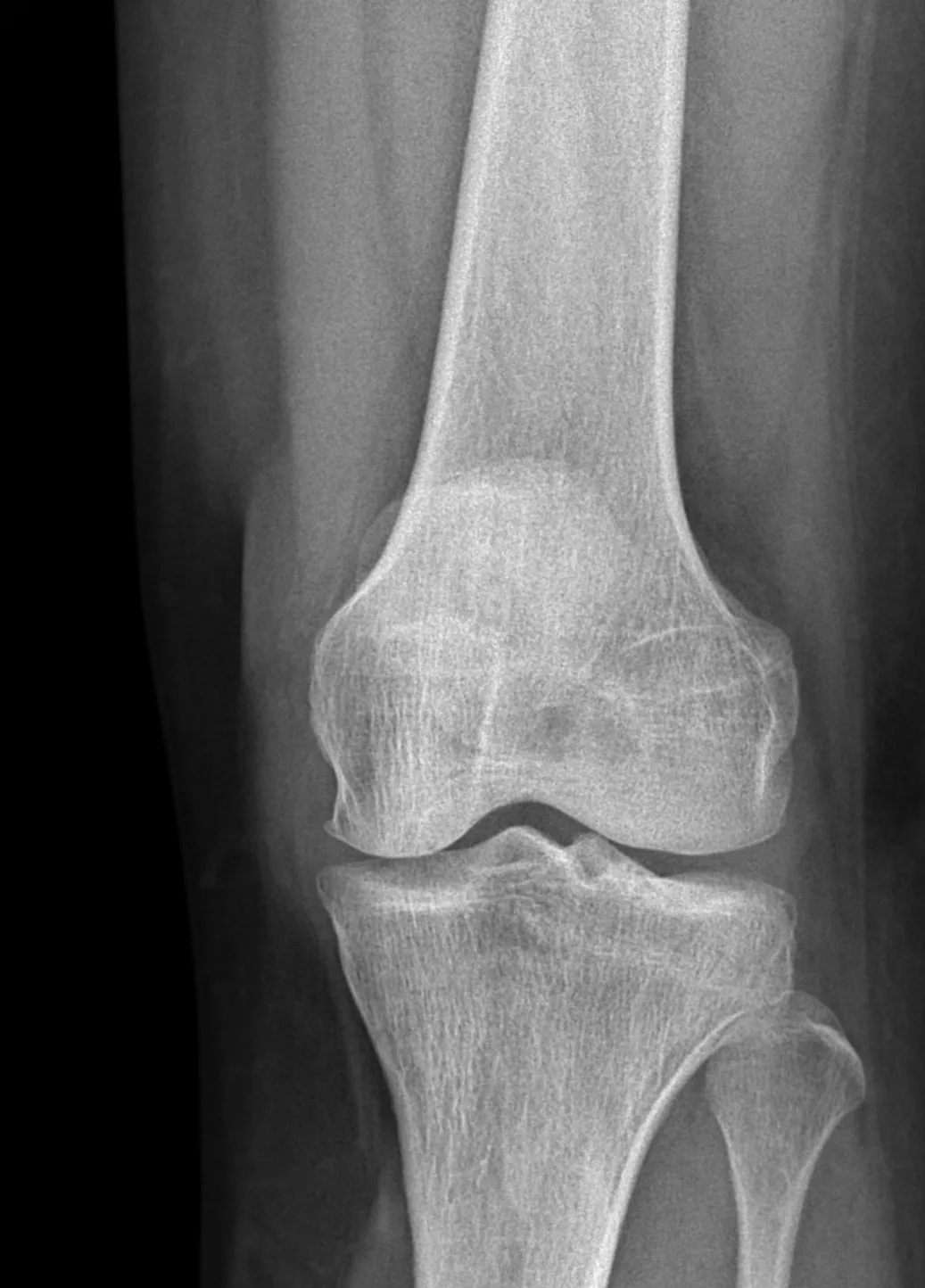
Fibular hemimelia is a congenital condition where a part or all of the fibula bone is missing or underdeveloped. This condition can affect one or both legs and often results in limb length discrepancies, foot deformities, and ankle misalignment.
Read on to learn more about fibular hemimelia, when amputation is necessary, and how prosthetics can help with rehabilitation. The first step is to define what Fibular hemimelia is.
What Is Fibular Hemimelia?
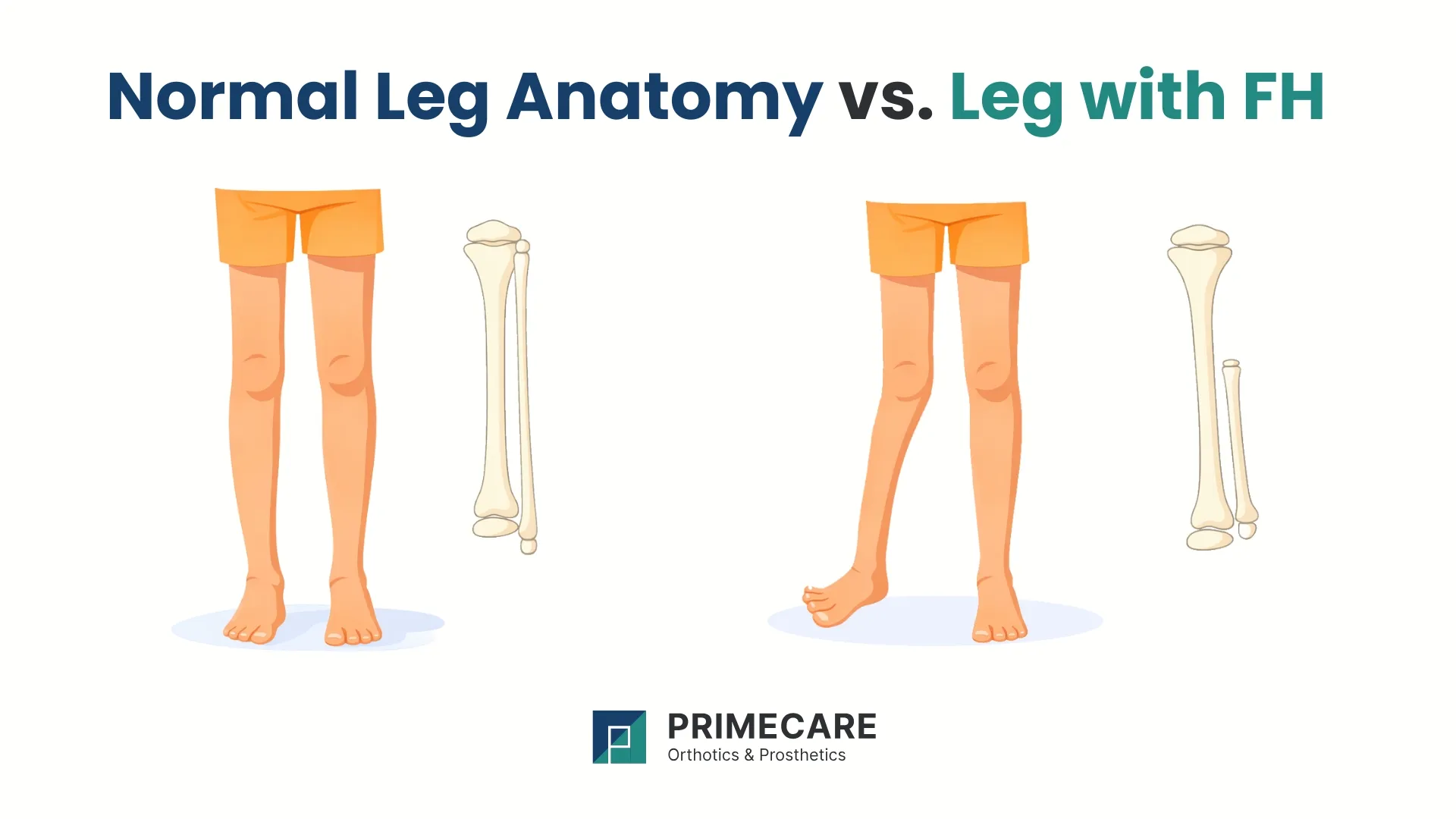
Fibular hemimelia is a congenital condition that affects the development of the fibula, resulting in a partial or complete absence of the bone. This typically leads to limb length discrepancies, foot deformities, and ankle misalignment, which can affect movement, balance, and overall mobility.
Key Functional Issues in Fibular Hemimelia
Individuals with fibular hemimelia can face several physical differences that influence comfort, balance, and movement. These challenges vary by age, severity, and foot or ankle structure:
- Shorter leg on one or both sides
- Foot deformities, such as missing toes or clubfoot
- Ankle instability and misalignment
- Limb length discrepancy, where the shorter leg limits movement
Fibular hemimelia may range from mild to severe, and it can affect children and adults differently. In New Mexico, we provide prosthetic solutions tailored to each individual's specific needs.
Variants of Fibular Hemimelia
Fibular hemimelia presents in different forms. Each type has unique characteristics that guide future treatment choices and support needs. These types are:
- Unilateral: Affects only one leg.
- Bilateral: Affects both legs.
- Severe fibular hemimelia: Involves significant leg deformities, often requiring amputation or limb lengthening surgery.
How Common Is Fibular Hemimelia?

Fibular hemimelia is considered rare. Studies such as those in J Bone Joint Surg and Bone Joint Surg Br note rates around 1 in 40,000 births. While rare, New Mexico sees cases across all regions, from Albuquerque to rural areas, making access to supportive care and reliable prosthetics especially important.
Symptoms of Fibular Hemimelia
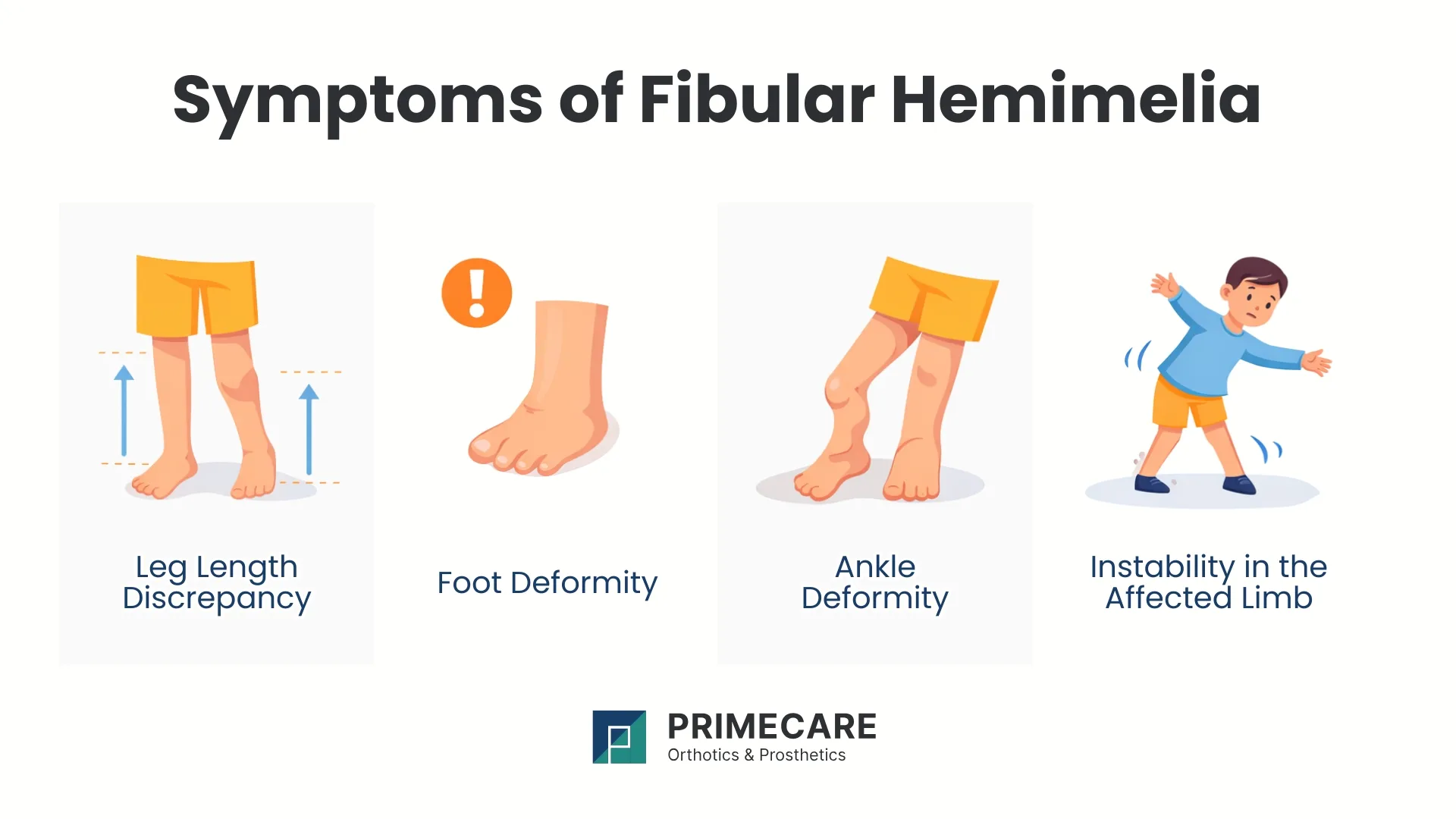
The symptoms of fibular hemimelia can vary depending on the severity of the condition. Common signs include:
- Leg length discrepancy: The affected leg is shorter than the unaffected one, often leading to difficulties with walking or balance.
- Foot deformity: Missing toes or clubfoot are common in fibular hemimelia. The foot may not develop in a normal position, affecting how the person walks.
- Ankle deformity: The absence or malformation of the fibula can cause misalignment of the ankle joint, leading to instability and difficulty bearing weight.
- Instability in the affected limb: With the shorter leg, people often experience weakness in the affected limb, which can cause further difficulty with walking, running, or standing for extended periods.
Symptom severity can vary, with some individuals needing only minor adjustments or prosthetic fitting, while others may face more complex challenges that require surgical intervention.
Causes and Risk Factors of the Condition
The precise cause of fibular hemimelia isn’t always clear, but it’s believed to be related to abnormal development of the fibular anlage (the precursor to the fibula) during early fetal development. Research suggests that genetic, environmental, and vascular factors may play a role, but no single cause has been conclusively identified. The fibular anlage does not form normally, which leads to:
- Congenital absence or reduction of the fibula
- Partial or total absence of the foot bones
- Differences in the distal tibia and long bones
Genetic and Environmental Factors
There is no single confirmed cause, but research points toward the following:
- Disruptions in bone development during early pregnancy
- Vascular influences around the forming limb
- Localized growth differences in the embryo
No evidence shows that parents’ actions or lifestyle choices cause the condition.
Risks for the Foot and Ankle with Fibular Hemimelia
The condition may lead to:
- A non-plantigrade foot (the foot cannot rest flat)
- A tarsal coalition affecting joint movement
- Ankle deformity limiting stability and comfort
Possible Consequences of Untreated Fibular Hemimelia
Without treatment, fibular hemimelia can lead to serious physical challenges that often increase over time. The condition affects how the leg grows and functions, especially when one side is significantly shorter or misshapen. This difference in leg structure changes how the body moves and adapts, often placing strain on other joints and muscles.
The general consequences are as follows:
- Progressive leg length discrepancy: The difference between the two legs increases as the child grows, leading to further imbalance and mobility issues.
- Chronic joint stress: Uneven walking patterns put added pressure on the hips, knees, and ankles, which can cause joint pain and early wear.
- Poor posture and spinal alignment: To compensate for the shorter leg, the body shifts weight unnaturally, which can cause curvature in the spine or uneven hips.
- Muscle fatigue and imbalance: One leg may carry most of the body’s weight, leading to overuse in certain muscle groups while others weaken.
- Limited mobility: Everyday activities such as walking, running, and standing become difficult, and in some cases, unsafe.
How Is Fibular Hemimelia Diagnosed?
Fibular hemimelia is typically diagnosed during clinical examination after birth. However, in some cases, it may be identified earlier through prenatal imaging. Diagnosis is confirmed through:
- X-rays to assess bone development and identify any discrepancies in leg length or deformities in the foot or ankle.
- Physical examination to evaluate joint alignment, foot deformities, and overall limb function.
- CT scans or MRIs to evaluate the degree of bone or tissue absence and any possible joint involvement.
When Is Amputation Needed?
In severe cases, where the fibula is completely absent or multiple limb deficiencies cannot be addressed through other treatments, amputation may be considered. Typically, the decision to amputate is based on:
- Non-functional or severely deformed limb: Amputation is the better option if the limb is severely misshapen or nonfunctional.
- Failure of other treatments: If limb-lengthening or other surgical procedures don't lead to sufficient functional improvement, amputation is recommended.
- Improved quality of life with prosthetics: Amputation allows patients to wear prosthetics that restore mobility and stability, while enabling full participation in everyday activities.
Types of amputation procedures that may be recommended include Boyd amputation and primary amputation for lower limb deficiencies.
Treatment for Fibular Hemimelia: Surgery and Prosthetics
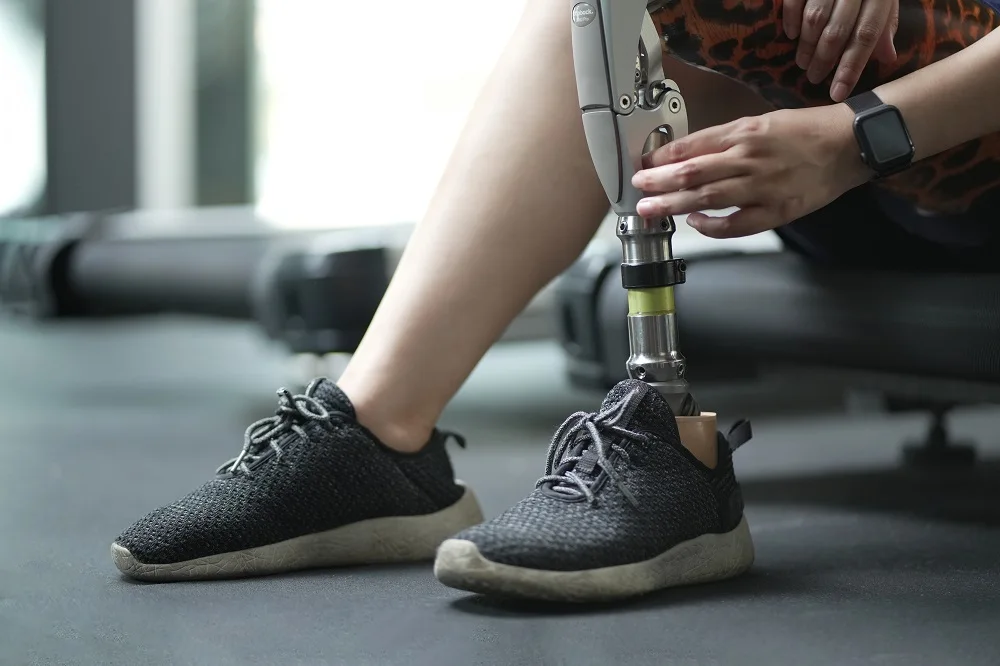
The treatment for fibular hemimelia often depends on the condition’s severity. There are multiple types of prosthetics, and for severe or mild cases, prosthetics may be the only intervention needed. For more severe cases, surgical procedures might be required, followed by prosthetic fitting for improved functionality.
Prosthetics for Fibular Hemimelia for Children and Adults
Prosthetics reliably restore mobility and improve the quality of life for those with fibular hemimelia. Prosthetics encompass:
- Below-knee prosthetics: Used after a Syme, Boyd, or standard below-knee amputation. These devices replace the lower portion of the leg while allowing the knee to remain intact. Their strong stability, smooth gait pattern, and long-term adaptability make them perfect for children of all ages.
- Partial foot prosthetics: Designed for individuals who retain part of the foot but lack structure for proper weight distribution. These devices restore foot length, improve balance, and support forward motion.
- Pediatric prosthetics: Designed for younger users who need lighter materials, flexible foot components, and quick adjustments. These systems match rapid growth cycles and support active play.
PrimeCare Prosthetics is the leading provider of custom prosthetics in New Mexico for individuals living with fibular hemimelia. Our services are designed to assist children with limb length discrepancies and adults who need improved mobility following amputation or surgical procedures. With us, you can expect the highest quality care and prosthetic devices to support your lifestyle.
Surgical Options for Fibular Hemimelia
These surgeries can significantly improve both functionality and quality of life, and prosthetics are often used after surgery to improve alignment and support.
- Limb lengthening: One common treatment for a leg length discrepancy is limb lengthening surgery, often performed using external fixators. The procedure gradually lengthens the tibia and femur bones, allowing the shorter leg to catch up to the longer leg over time.
- Foot deformity correction: Surgical procedures can also address foot deformities, such as clubfoot, and ankle misalignment through a superankle procedure or other deformity correction surgeries.
- Tibial lengthening: In some cases, tibial lengthening may be performed to correct issues with the tibia bone and ensure it aligns properly with the femur.
Orthotic Braces for Fibular Hemimelia
Some individuals find that orthotic braces can be a beneficial part of their care plan. Braces can help stabilize the foot and ankle and reduce strain during daily activity. In many cases, they are used when the goal is to preserve the limb and maintain function without immediate amputation.
Some common brace options to consider are:
- Ankle-Foot Orthosis (AFO): An AFO surrounds the lower leg and foot. It firmly secures the ankle, especially in situations where weakness or joint instability is present.
- Supra-Malleolar Orthosis (SMO): An SMO is the best solution for stabilizing the ankle and heel in cases of mild to moderate instability. This product offers a greater range of motion than an AFO while providing adequate support to enhance balance and posture.
- Knee-Ankle-Foot Orthosis (KAFO): A KAFO supports the limb from the thigh to the foot. It is used for significant alignment problems, knee valgus, or limited control in the upper part of the leg.
- Shoe lifts: Useful for small leg length differences. Lifts raise the shorter side to reduce discomfort and improve balance.
When Are Braces NOT Enough?

Bracing alone is not effective when:
- The foot cannot be corrected to a plantigrade position
- The leg is significantly shorter (LLD more than 5 cm)
- The ankle joint is severely absent or unstable
- The child cannot walk safely, even with bracing
In some situations, bracing may serve as an early step before surgery or prosthetic care. It also helps children who need foot and ankle support during growth. For severe deformities or significant limb length issues, braces simply aren't enough. In these cases, prosthetics are the clear choice.
Prognosis and Treatment Outlook for Fibular Hemimelia
Fortunately, the long-term outlook for individuals with fibular hemimelia is undoubtedly positive. With early treatment and ongoing adjustments throughout each stage of growth, they can achieve remarkable results. Many people achieve stable mobility following surgery or prosthetic care and can resume regular activity with minimal restrictions. Children adapt well to both reconstructed and prosthetic limbs, gaining a high level of independence as they grow.
The following is a list of outcomes:
- Steady walking patterns with either surgical correction or prosthetic use.
- Strong participation in school, work, and physical activity.
- Reliable mobility due to improved alignment or modern prosthetic design.
- Long-term independence with routine follow-up and device adjustments.
Studies from limb difference and prosthetic research note high rates of functional success in both lengthening plans and prosthetic rehabilitation. This is why a tailored treatment approach is key to achieving dependable mobility and a stable quality of life.