
.svg)
.svg)


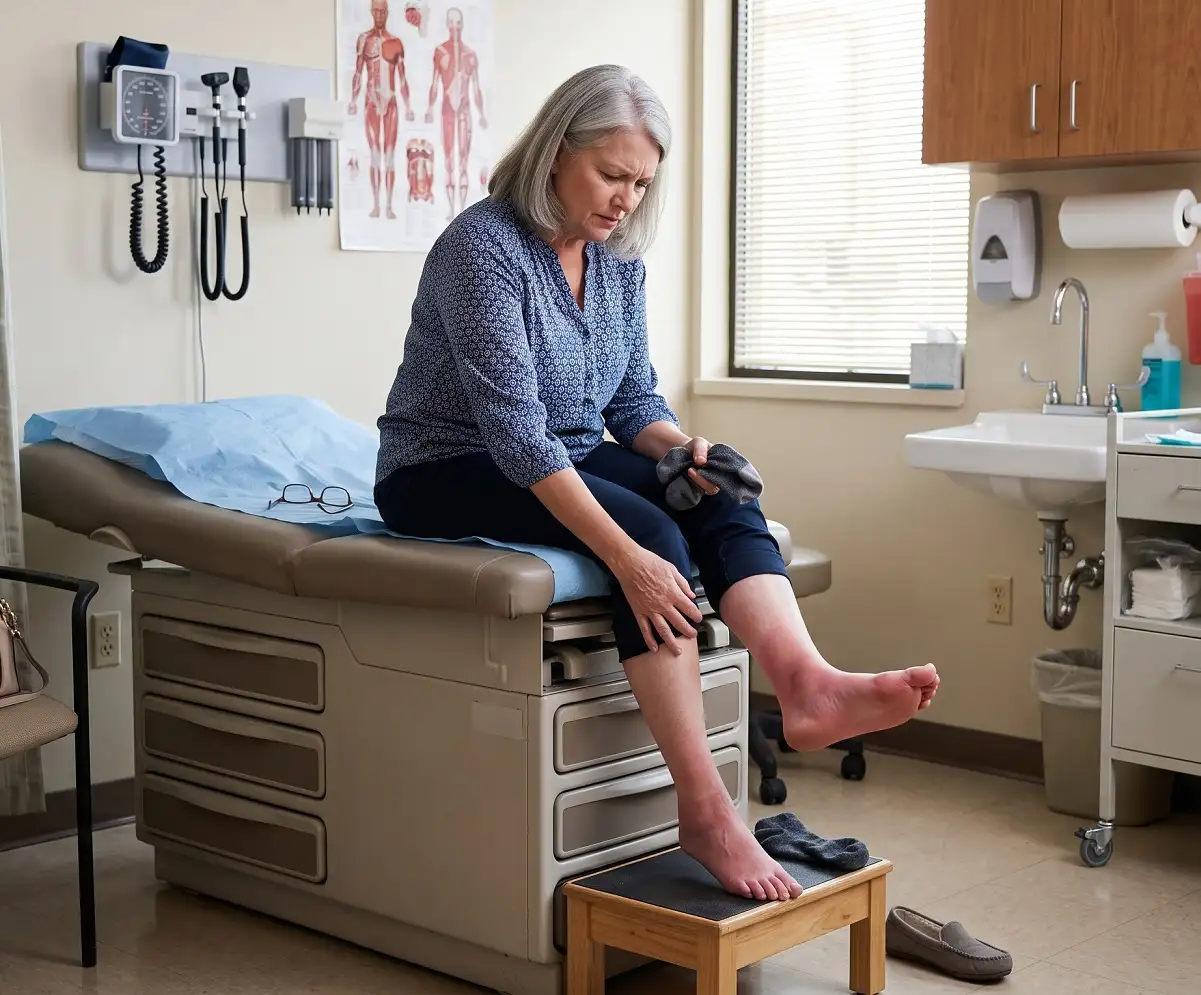
Peripheral neuropathy often shows up first in small ways — a pebble in your shoe that you don’t notice or a foot that keeps catching on the curb. It's nerve damage that dulls sensation and weakens the muscles keeping you steady, most often in the feet and lower legs. PrimeCare treats it across New Mexico with custom bracing, orthotics, and prosthetic care after amputation.
What Is Peripheral Neuropathy?
Peripheral neuropathy is damage or dysfunction of the peripheral nerves, the network that carries signals between the brain, spinal cord, and the rest of the body. When these nerves are damaged, signals related to sensation and muscle control don't travel properly, affecting how you move and feel.
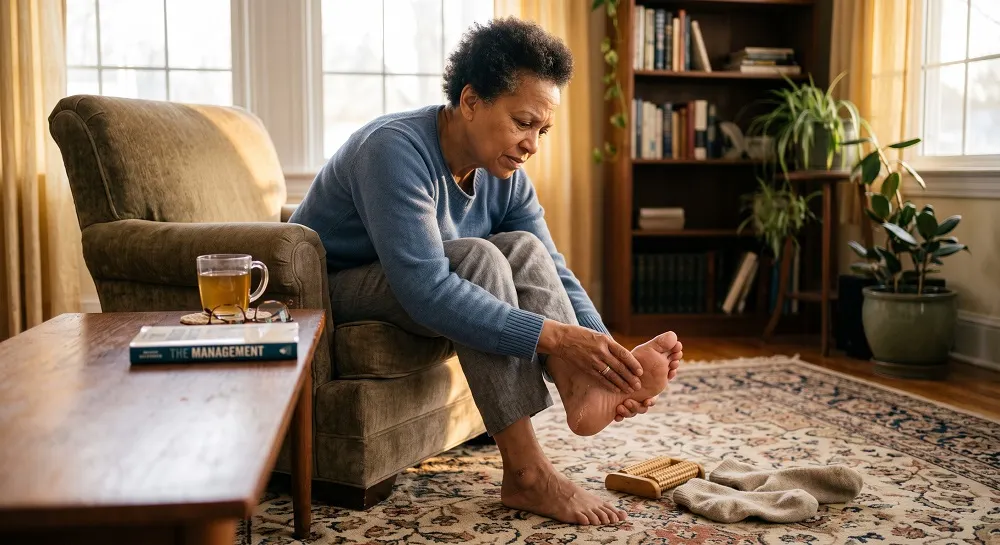
Common Functional Issues in Peripheral Neuropathy
People with peripheral neuropathy can face a range of physical changes that affect comfort, balance, and mobility. These vary depending on the cause, severity, and nerves involved.
- Reduced sensation in the feet, hands, or lower legs;
- Muscle weakness, including foot drop in more advanced cases;
- Balance and coordination changes that raise fall risk;
- Loss of protective sensation, which allows cuts, blisters, or pressure sores to go unnoticed.
Peripheral neuropathy can range from mild tingling to significant motor loss, and it affects each person differently depending on the underlying cause. In New Mexico, we provide bracing and prosthetic solutions tailored to each patient’s unique needs.
Types of Peripheral Neuropathy
Peripheral neuropathy can take different forms. Each type has its own pattern that guides treatment decisions:
- Sensory neuropathy: Affects sensation, causing numbness, tingling, or pain.
- Motor neuropathy: Affects muscle strength and can lead to foot drop or muscle wasting.
- Autonomic neuropathy: Affects involuntary functions such as blood pressure regulation, digestion, and sweating.
- Sensorimotor (mixed) neuropathy: Combines sensory loss with muscle weakness, a pattern commonly seen in diabetic neuropathy.
How Common Is Peripheral Neuropathy?
.jpg)
Peripheral neuropathy is a widespread condition, particularly among people with long-standing diabetes. For many people, it develops gradually and can become an ongoing challenge, especially when diabetes has been present for years.
Diabetic peripheral neuropathy is one of the most common complications of diabetes and a major driver of non-traumatic lower-limb amputation in the United States. New Mexico has one of the higher diabetes rates in the country, so the need for effective foot and ankle care related to nerve damage remains significant throughout the state. That includes communities ranging from Las Cruces and Albuquerque to Ruidoso and smaller surrounding communities.
Symptoms of Peripheral Neuropathy
Symptoms depend on which nerves are affected and how far the condition has progressed. Common signs include:
- Numbness or tingling: Often starts in the toes or fingers and moves upward over time.
- Burning or stabbing pain: Can occur even at rest and may worsen at night.
- Muscle weakness: May lead to foot drop, tripping, or difficulty with fine motor tasks.
- Balance problems: Reduced feedback from the feet can make standing and walking feel unsteady.
- Unnoticed injuries: Loss of protective sensation can let cuts, blisters, or pressure sores go undetected until they become serious.
Symptom severity can look very different from one person to the next. Some people manage well with orthotic support and monitoring, while others need more involved care for wounds, deformity, or advanced motor loss.
Causes and Risk Factors of the Condition
Peripheral neuropathy doesn't have a sole cause. It develops when nerve fibers are damaged over time by disease, injury, toxins, or pressure.

Common Causes
- Diabetes: The most common cause of peripheral neuropathy in the United States, linked with prolonged high blood sugar.
- Nerve compression or injury: Trauma, repetitive pressure, or surgery can damage a nerve directly.
- Autoimmune conditions: Disorders such as Guillain-Barré syndrome can trigger the immune system to attack nerve tissue.
- Infections: Certain viral and bacterial infections can affect peripheral nerves.
- Chemotherapy and toxin exposure: Some medications and heavy alcohol use are linked to nerve damage.
- Inherited conditions: Disorders such as Charcot-Marie-Tooth disease affect nerve function from an early age.
Risks for the Foot and Ankle with Peripheral Neuropathy
Nerve damage in the lower leg can lead to:
- Foot drop, where weakened muscles make it hard to lift the front of the foot;
- A Charcot foot, where reduced sensation allows joints and bones to break down without pain;
- Non-healing wounds caused by pressure or friction that goes unnoticed.
Possible Consequences of Untreated Peripheral Neuropathy
Without care, peripheral neuropathy tends to progress, and the effects often reach beyond the feet and hands. Reduced sensation and weakness change how a person moves and bears weight, which can put added strain on other parts of the body.
- Progressive nerve damage: Numbness and weakness can become more pronounced and spread over time, especially when the underlying cause, such as poorly controlled blood sugar, isn't managed.
- Unnoticed foot injuries: Small wounds can go undetected and develop into ulcers or infections.
- Joint and bone changes: Charcot foot and other structural changes can develop when injuries go unaddressed.
- Falls and reduced mobility: Balance changes and muscle weakness can make everyday movement more difficult and increase the risk of trips and falls.
- Limb loss: In severe, longstanding cases involving infection or poor circulation, amputation may become necessary.
How Is Peripheral Neuropathy Diagnosed?
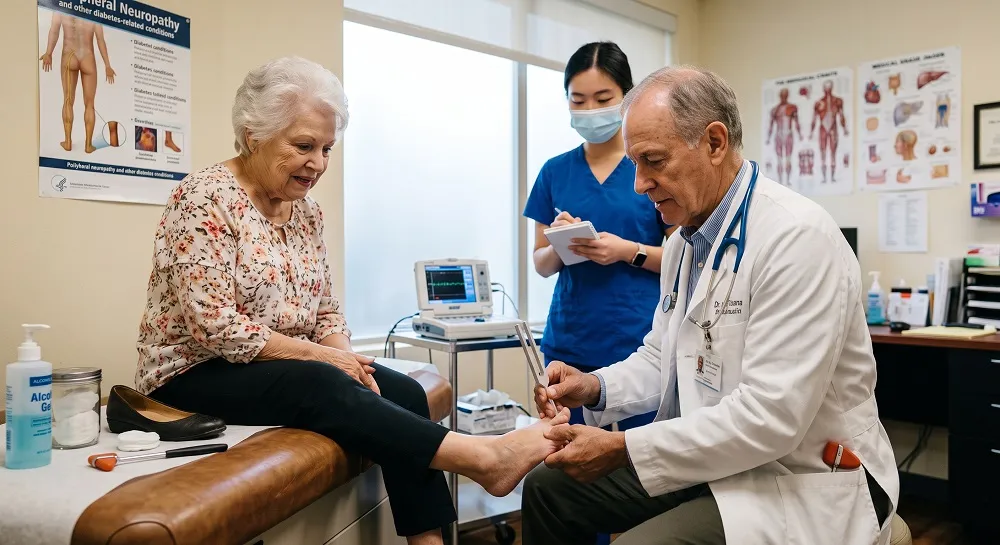
Diagnosis typically starts with a review of symptoms and medical history, followed by testing to confirm which nerves are involved and how severe the damage is:
Physical and Monofilament Exam
Checks reflexes, muscle strength, and touch sensation in the feet and hands.
Blood Tests
Screen for diabetes, vitamin deficiencies, and other conditions linked to nerve damage.
Nerve Conduction Studies
Measure how well electrical signals travel along the nerves.
Electromyography (EMG)
Evaluates muscle electrical activity to help pinpoint nerve or muscle involvement.
Imaging
X-rays or MRI may be used when structural changes, such as Charcot foot, are suspected.
How Peripheral Neuropathy Affects Movement and Balance
Nerve damage changes how the body feels the ground beneath it and controls the muscles that keep you upright. Subtle shifts in gait and posture often appear before pain or numbness feels severe.
- Reduced proprioception: Less feedback from the feet makes it harder to sense where weight is landing.
- Compensatory gait patterns: Shorter strides and wider stances put uneven stress on the hips, knees, and lower back.
- Weakened push-off: Motor nerve involvement reduces calf and foot strength.
- Delayed reaction time: Slower signals make stumble recovery harder.
- Fatigue with walking: More effort goes into staying steady, so shorter distances tire you out.
Treatment for Peripheral Neuropathy: Orthotics and Prosthetics
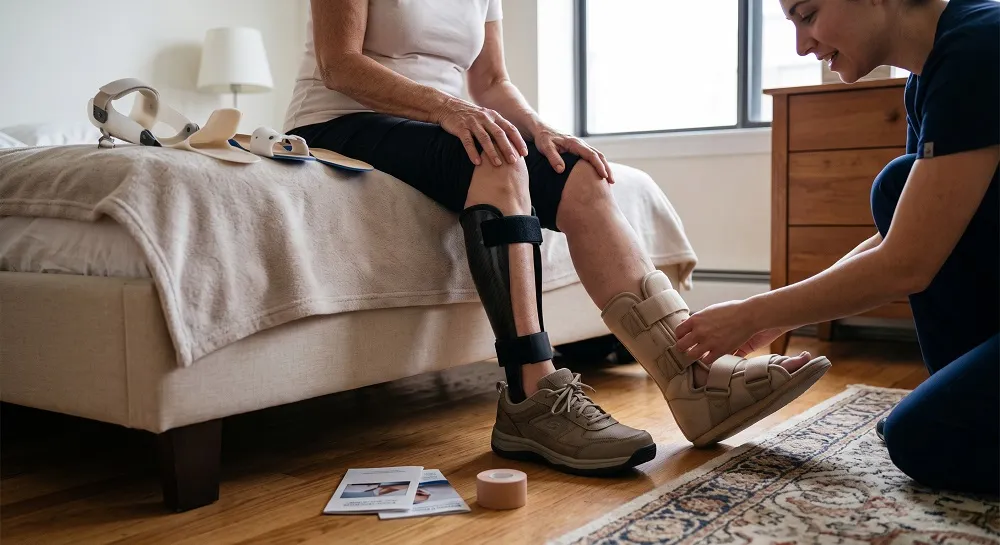
Treatment depends on the underlying cause and how far the condition has progressed. For many patients, treatment includes bracing and custom orthotics, along with addressing the underlying nerve condition. When amputation has already occurred, prosthetic care can help restore mobility while protecting the residual limb.
Orthotics for Peripheral Neuropathy
- An Ankle-Foot Orthosis (AFO): Supports the ankle and foot for people with foot drop or dorsiflexion weakness, helping the foot clear the ground while walking.
- Custom diabetic inserts: Redistribute pressure across the sole to protect numb feet from friction and pressure sores.
- A night splint: Maintains ankle range of motion and helps prevent tightening in weakened muscles.
- A Supramalleolar Orthosis (SMO): Offers mild ankle support for children with hereditary neuropathies who need a lower-profile brace.
Prosthetics for Neuropathy-Related Amputation
When peripheral neuropathy leads to a foot or leg amputation, prosthetic care helps restore mobility and independence:
- Below-knee prosthetics: Replace the lower leg while preserving the knee, supporting a stable and efficient walking pattern.
- Partial foot prosthetics: Restore foot length and support balance for patients who retain part of the foot.
PrimeCare Prosthetics provides custom bracing and orthotics for people with neuropathy throughout New Mexico, along with prosthetic devices for those who have undergone foot or leg amputation. Sockets are molded in-house, fit is checked in-clinic, and follow-up visits are scheduled around how your limb changes.
Medical and Lifestyle Management
- Blood sugar management: Central to slowing diabetic neuropathy and reducing complications.
- Medication: Can help manage nerve pain under a physician's guidance.
- Physical therapy: Builds strength and improves balance and gait.
- Daily foot checks: Important for catching cuts, blisters, or pressure spots early when sensation is reduced.
A Team Approach to Peripheral Neuropathy Care
Peripheral neuropathy care usually involves more than one provider. Coordination keeps small issues from turning into serious ones.
- Primary care or endocrinologist: Manages the underlying condition, especially diabetes.
- Podiatrist: Handles nail care, calluses, and wound monitoring.
- Prosthetist and orthotist: Fits bracing, custom footwear, or prosthetic care.
- Physical therapist: Builds strength, balance, and gait mechanics.
At PrimeCare, we work closely with your other healthcare providers to ensure your orthotic or prosthetic care fits seamlessly into your overall treatment plan.
Long-Term Care and Follow-Up
Nerve damage evolves, and bracing needs to keep up. A steady follow-up rhythm keeps the plan matched to how the condition is actually behaving:
- Routine visits to check fit, wear, and skin condition;
- Adjustments as activity level, weight, or foot shape changes;
- Liner and soft goods replacement on their own schedule;
- A clear pathway to prosthetic care if amputation ever becomes part of the picture.
Waiting for pain or a wound to develop before coming back can lead to more extensive and costly care than a routine check-up.