
.svg)
.svg)


Adjustable Prosthetic Socket in New Mexico
Socket fit can significantly impact comfort, walking confidence, skin health, and how long a patient can wear a prosthesis each day. At PrimeCare, we offer custom adjustable prosthetic sockets for lower-limb prosthetic users who need a socket design that supports daily movement, not a static fit at a single appointment.
Recent Medicare coding changes have also made adjustable volume socket technology a more timely option for eligible patients, especially those dealing with socket looseness, swelling, shrinkage, or frequent sock adjustments.
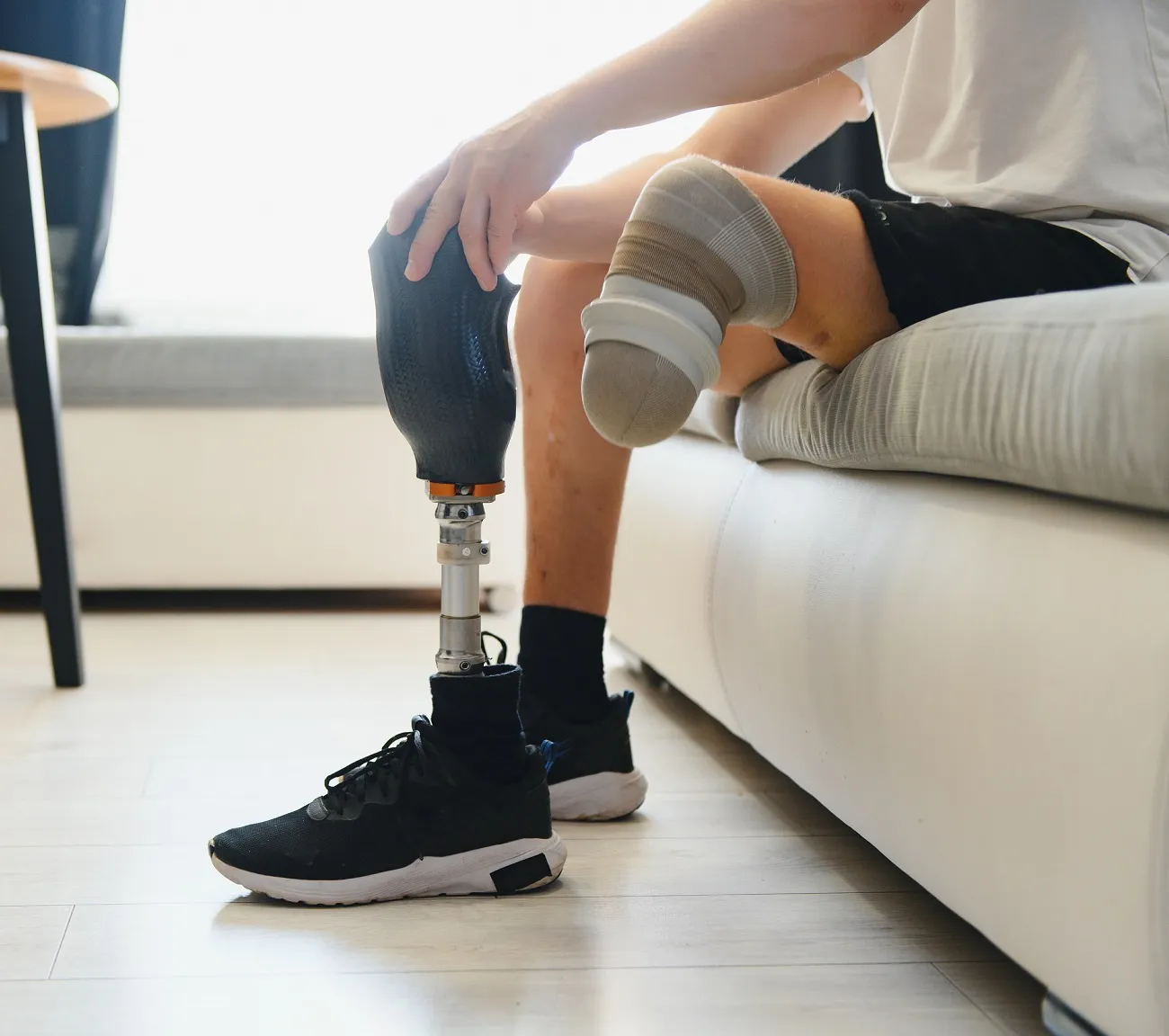
A Socket That Adjusts as Your Limb Changes
An adjustable prosthetic socket is a custom socket with built-in compression areas that help manage fit changes throughout the day. For lower-limb users, an adjustable prosthetic leg socket can help reduce excess movement, improve suspension, and create a more secure connection between the residual limb and prosthesis. This can be especially helpful when the limb becomes smaller after walking, standing, or wearing the prosthesis for several hours.
PrimeCare uses the Click Medical RevoFit® system to create adjustable socket designs. Click Medical provides the RevoFit component kit, which includes the Click® Reel dial, laces, and compressible panels, while PrimeCare builds the full custom socket in its own facility. Instead of removing the prosthesis when the socket feels loose, the patient can adjust the dial for a tighter fit, which may reduce how often prosthetic socks are needed during the day.
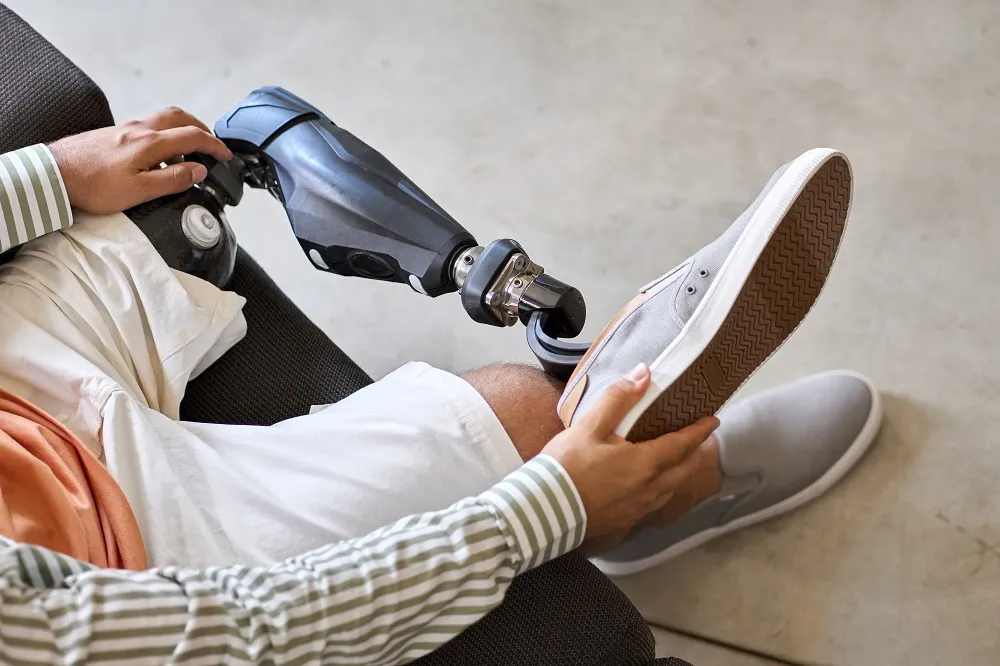
Socket Technologies We Offer
PrimeCare uses adjustable socket technology to help lower-limb prosthetic users manage daily fit changes. Each socket is custom-built in-house around the patient’s limb, pressure tolerance, mobility needs, and documentation requirements. With newer Medicare billing pathways now in place, adjustable volume sockets may now be more accessible for qualifying patients.
Click Medical RevoFit® Adjustable Technology
Adjustable Socket Windows and Compression Panels
In-House Custom Socket Fabrication
Tired of Stopping for Sock Changes?
Contact PrimeCare to discuss adjustable prosthetic socket options that may help reduce interruptions from daily limb volume changes and sock adjustments.
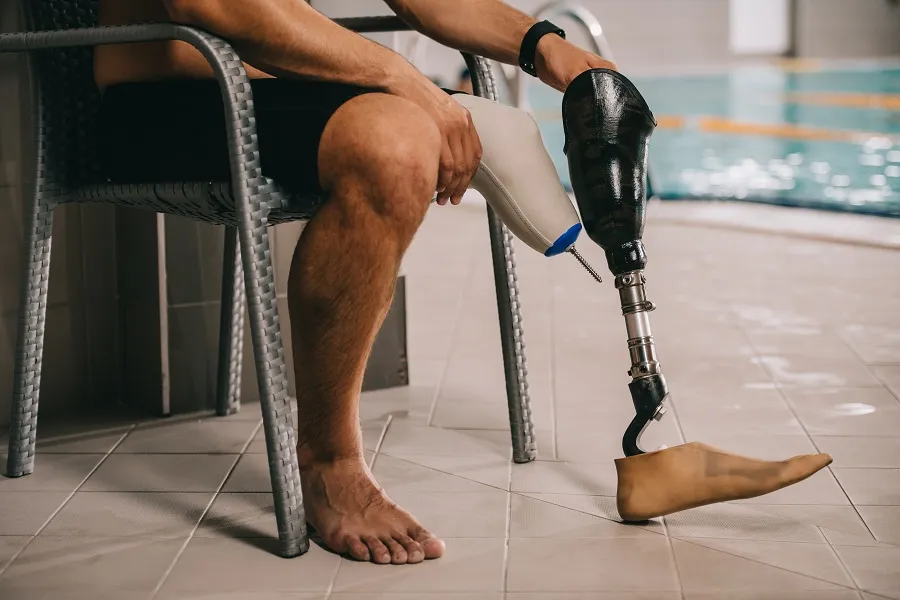

Who May Benefit from an Adjustable Prosthetic Socket?
An adjustable prosthetic socket may help lower-limb prosthetic users whose fit changes during the day. PrimeCare can confirm whether this option is appropriate during a prosthetic evaluation.

Patients with Daily Limb Volume Changes
Residual limbs can shrink or swell with walking, standing, activity, weather, or extended prosthetic wear. If the socket feels secure earlier in the day but loose later, RevoFit® technology can help.
Patients Who Frequently Add Prosthetic Socks
Some users need to remove the prosthesis several times a day to add socks. An adjustable socket may reduce how often this is needed, although it doesn’t eliminate the need for socks.
Patients with Socket Looseness or Movement
A loose socket can cause rubbing, pistoning, pressure changes, and reduced walking control. Adjustable panels can help improve contact between the limb and the socket.
Transtibial and Transfemoral Prosthetic Users
Adjustable prosthetic sockets may be used for many lower-limb patients, including patients with below-knee prosthetics and above-knee prosthetics. The final recommendation depends on limb shape, skin condition, suspension needs, and activity level.
Advanced Socket Crafting
An adjustable socket still depends on precise clinical design. PrimeCare builds each socket around the patient’s limb shape, comfort needs, pressure tolerance, residual limb care needs, and daily prosthetic use.
- Detailed clinical fit: The socket is designed to support the residual limb, minimize excess movement, and distribute pressure across areas that can safely handle weight and load.
- Custom panel placement: Adjustable panels are positioned to improve fit without placing too much pressure on sensitive tissue, bony areas, or skin prone to irritation.
- Pressure and suspension planning: PrimeCare considers pressure zones, suspension method, gait needs, and prosthetic component compatibility before fabrication begins.
- RevoFit integration: The RevoFit mechanism adds patient-controlled adjustment, but it is built into a full custom socket rather than used as a stand-alone solution.
- Fit testing and refinement: PrimeCare evaluates comfort, suspension, pressure, and function before delivery and can adjust the socket after the patient begins wearing it.
The result is a custom adjustable prosthetic socket designed for daily use, with both clinical fit and patient-controlled adjustment working together.
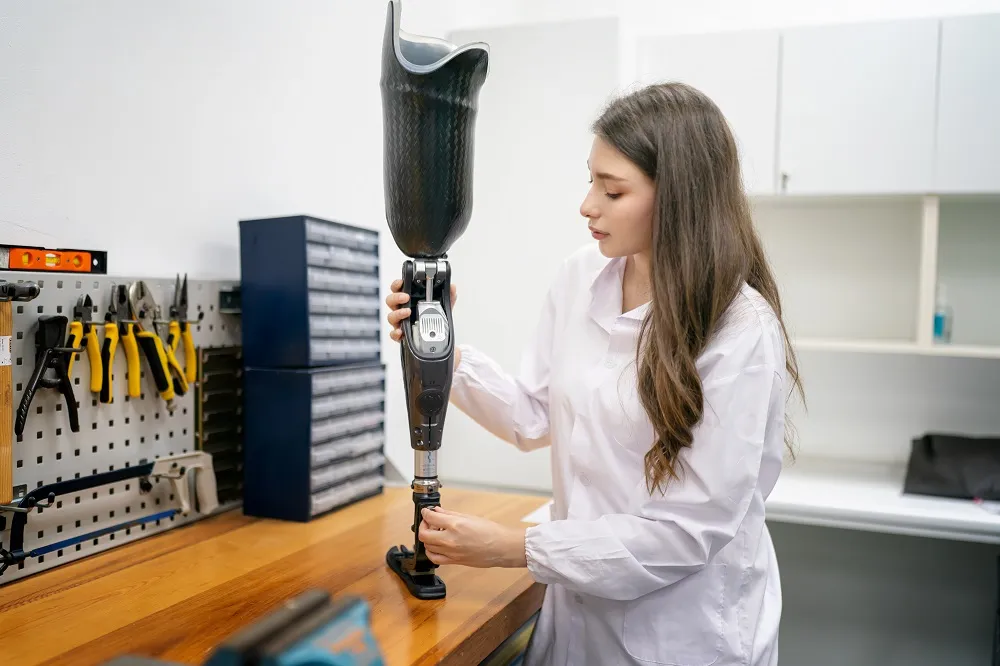
Our Adjustable Socket Fitting Process
Step 1: Evaluation and Fit Review
PrimeCare reviews your current prosthetic fit, amputation level, residual limb shape, and daily activity needs. Our team will also ask about socket looseness, sock use, swelling, shrinkage, skin irritation, and when fit changes happen most.
Step 2: Insurance and Documentation Review
Before fabrication, PrimeCare reviews your insurance requirements, documentation, and authorization needs. Adjustable volume socket technology may have a clearer Medicare reimbursement pathway, but coverage still depends on individual plan rules and medical necessity.
Step 3: Measurements, Casting, and Socket Design
PrimeCare takes measurements and designs the socket around your residual limb. We plan panel placement, suspension, component compatibility, and daily wear needs while avoiding excess pressure on sensitive areas.
Step 4: In-House Fabrication with RevoFit Technology
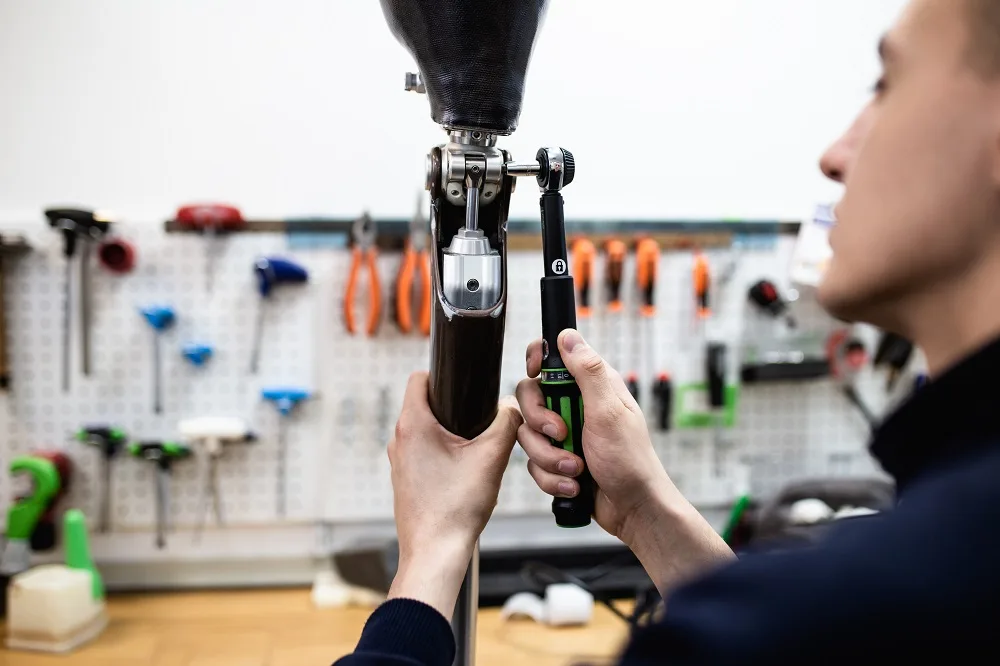
PrimeCare builds the socket in its own facility and incorporates the RevoFit kit into the design. The Click® Reel dial, laces, and compressible panels allow the socket to tighten or loosen as limb volume changes.
Step 5: Fitting, Training, and Follow-Up
At the fitting visit, PrimeCare checks comfort, pressure, suspension, alignment, and socket adjustment. We teach the patient how to use the dial, when socks may still be needed, and how follow-up refinements can improve daily wear.
Make Daily Prosthetic Wear Easier
Request an appointment with PrimeCare to explore socket solutions built for comfort, suspension, and daily mobility.

Why Choose PrimeCare for Adjustable Prosthetic Sockets?

In-House Socket Fabrication

Fit Built Around Real Daily Use

Insurance and Documentation Support
Patient Success Stories





Does Insurance Cover This Socket?
An adjustable prosthetic socket may be covered by insurance when it is medically necessary and supported with proper documentation. Medicare has introduced a newer billing pathway for adjustable-volume prosthetic socket technology, which may improve access for eligible patients, but coverage still depends on the plan, deductible, authorization rules, and clinical need.
PrimeCare has offered adjustable socket solutions for years, and this updated coding pathway may make access more practical for patients with prosthetic fit problems, swelling, shrinkage, or daily socket looseness. Private insurance can differ from Medicare, so our team is happy to review billing and insurance details, explain possible out-of-pocket costs, and help gather documentation before fabrication begins.
Request an Adjustable Socket Evaluation
If a socket fits incorrectly, it can affect comfort, walking, and confidence. The PrimeCare team can evaluate your limb, current prosthesis, and sock use to see whether RevoFit® technology may help. Fill out the form to request an appointment.
Mon-Fri: 9:00am-5:00pm
Sat-Sun: Closed
FAQ
How much does an adjustable prosthetic socket cost?
The cost of an adjustable prosthetic socket depends on the amputation level, socket design, materials, components, insurance coverage, and documentation requirements. Each socket is custom-built, so PrimeCare provides a more accurate estimate after an evaluation and insurance benefits review.
How long does an adjustable prosthetic socket last?
An adjustable prosthetic socket may last several years, but the exact timeline depends on limb changes, activity level, socket wear, fit, and clinical needs. A replacement or modification may be needed sooner if the residual limb changes significantly, the socket becomes uncomfortable, or the prosthesis no longer provides proper suspension.
How long does it take to create an adjustable prosthetic socket?
The timeline can vary based on evaluation, measurements, fabrication, insurance authorization, and fitting needs. Some cases move faster, while others need extra documentation or adjustments before delivery. We will provide a clearer timeline after reviewing the patient’s case.