.svg)
.svg)


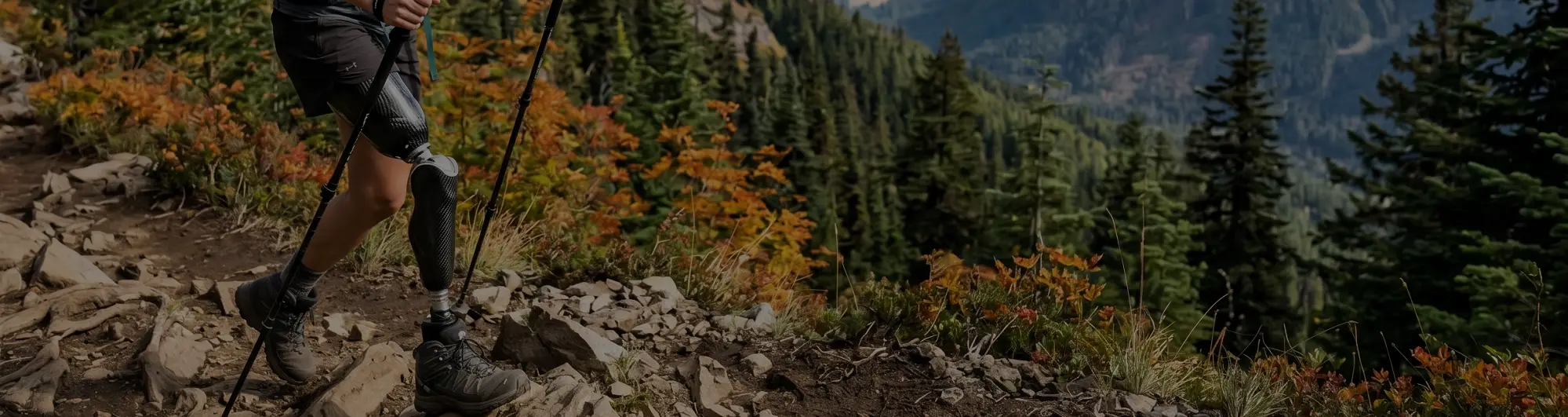


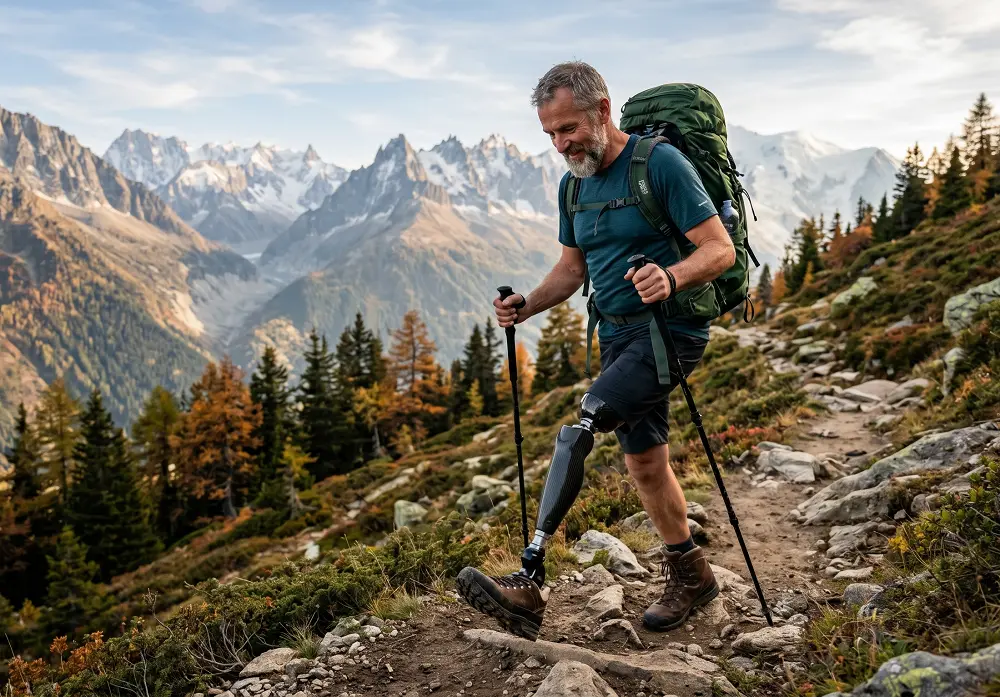
Hiking with a prosthetic leg often reveals one central concern: how will uneven ground affect stability and comfort? Trails are different from sidewalks. Gravel shifts underfoot, downhill sections place more demand on weight control, and wet or snowy surfaces reduce traction. For someone adjusting to limb loss or returning to outdoor activity, these changes can initially make hiking feel uncertain.
At PrimeCare, our custom leg prosthetics for patients across New Mexico help amputees stay active and return to the activities they enjoy — including hiking. In this guide, we explain how different prosthetic components perform on uneven terrain, what adjustments improve stability outdoors, and how amputees can safely progress from short walks to longer trail hikes.
Can I Hike with a Prosthetic Leg?
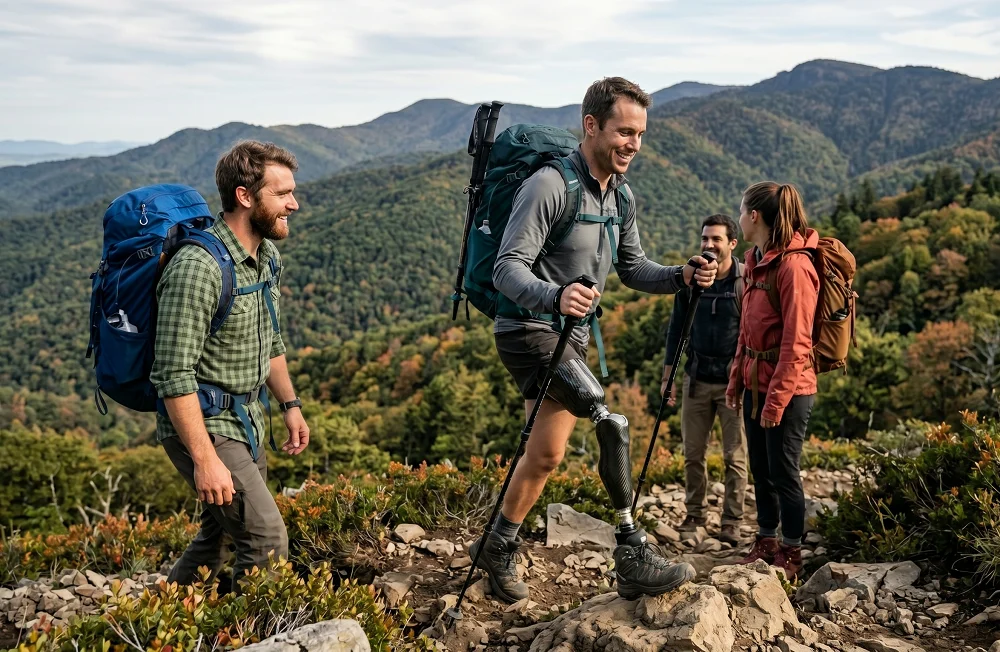
Yes, as long as the trail matches your current conditioning.
You don’t need to start with steep or long hikes. Many people start with short, predictable routes and increase distance before introducing more challenging terrain. Confidence grows through repetition and familiarity with how your prosthetic limb responds in outdoor settings.
Here are some common concerns:
- Downhill instability, where forward weight shift feels harder to control;
- Residual limb pressure, especially during longer distances;
- Fatigue, which can affect stride and balance late in a hike.
Remember, these concerns aren’t barriers. They are indicators that technique, conditioning, or prosthetic adjustments may need review before moving to more difficult terrain.
Physical and Psychological Benefits of Hiking as an Amputee
Hiking strengthens lower body endurance, engages core stabilizers, and improves cardiovascular capacity. Hiking poles also help increase upper-body movement. Over time, these physical gains support smoother everyday movement.
Beyond conditioning, outdoor activity reinforces independence. Completing a trail, regardless of distance, provides tangible evidence of capability. Hiking doesn’t need to be extreme to be meaningful. With consistent effort, your physical health and confidence will grow.
How to Prepare for a Hike as a Prosthetic Leg User
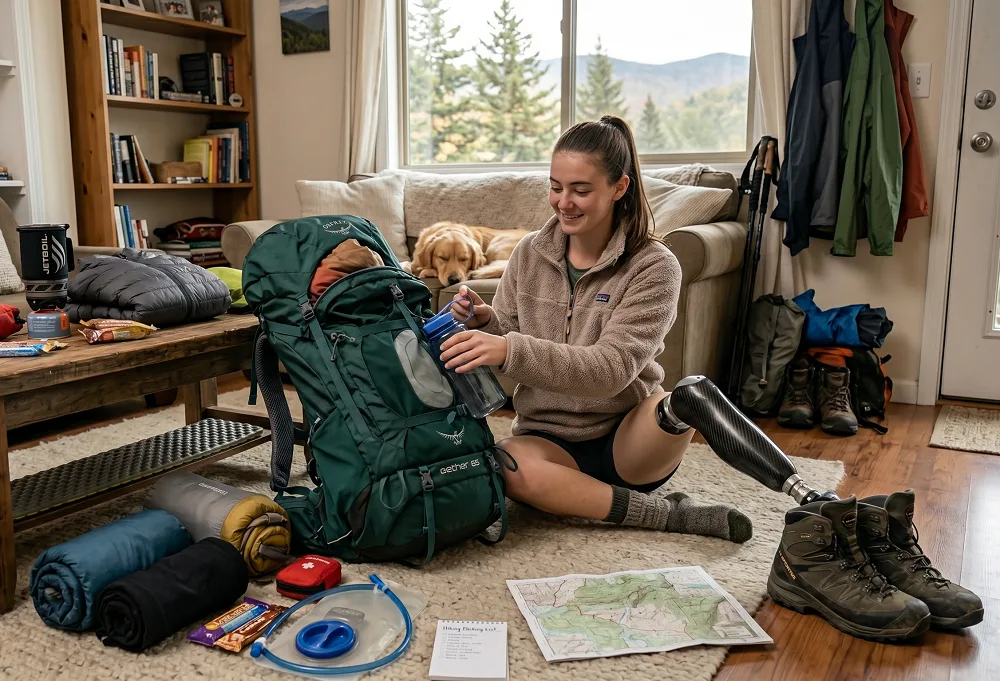
Preparation is key to a comfortable hike. For prosthetic users, both physical and mental planning can make uneven terrain easier to manage and help reduce fatigue during longer walks.
Mental Preparation
Uneven trails can feel unpredictable at first. Loose gravel, slopes, and changing surfaces require attention and patience, especially when returning to outdoor activity after limb loss. The best way to build confidence over time is to set realistic expectations and start with manageable routes.
Many hikers start with familiar trails before exploring more challenging terrain. Hiking with a friend can also add peace of mind, especially on routes with elevation changes or rough ground.
Physical Preparation
Strength and endurance help maintain balance on uneven ground. Muscles around the hips, core, and lower body help stabilize the body when stepping over rocks, roots, or slopes.
Physical preparation doesn’t require intense workouts. Consistent strengthening exercises and regular walking can improve stamina and make longer hikes more comfortable. If you’re building strength for outdoor activity, you can explore exercises for leg amputees designed to support mobility and balance.
Equipment and Gear
In addition to the prosthesis itself, a few pieces of gear can make hiking easier and safer. These items help improve balance, reduce strain, and prepare for changing trail conditions.
Many prosthetic users rely on:
- Hiking poles: Adjustable poles add extra points of contact with the ground and help distribute weight during uphill and downhill sections.
- Supportive footwear: Shoes with firm soles and dependable traction help reduce slipping on gravel, mud, or wet surfaces.
- Basic safety essentials: Carry a fully charged cellphone, check the weather before leaving, and select trails suited to your experience level.
The right equipment and a little preparation can help prosthetic users enjoy hiking that much more.
How Different Prosthetic Components Perform on Uneven Terrain
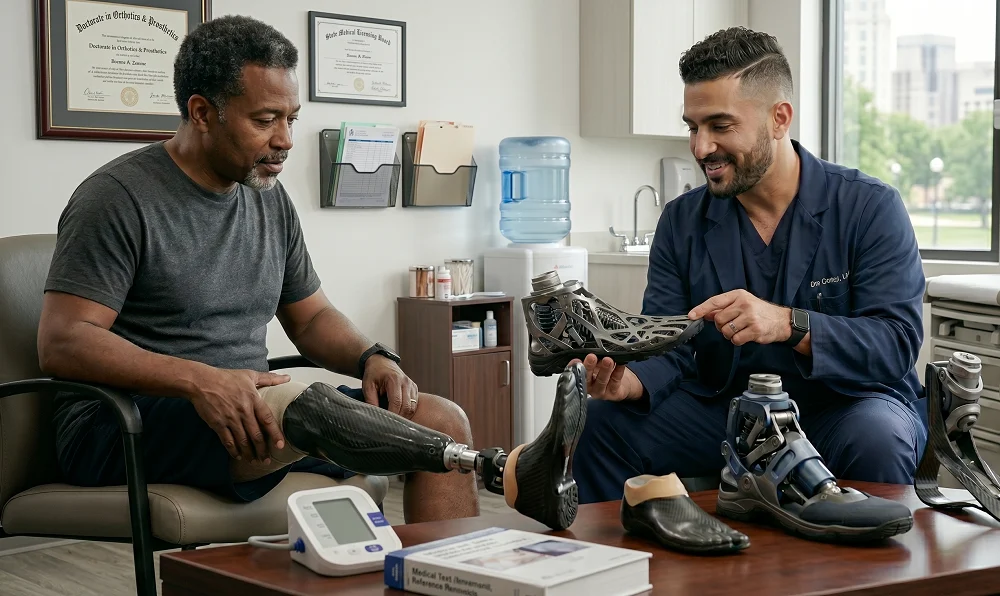
Uneven ground highlights how well your prosthesis responds to variable movement. Foot design, knee function, and socket fit all influence performance outdoors.
Prosthetic Foot Performance on Rough Ground
Many prosthetic feet perform similarly on flat indoor surfaces, but trails tend to reveal their differences. Carbon fiber feet store and release energy with each step, smoothing uphill movement and softening impact on uneven ground. More basic feet still provide dependable support, though they may feel less responsive when the surface shifts underfoot.
Footwear also affects stability. Shoes with firm soles and good traction help prevent slipping on wet or snowy trails and can make walking on uneven ground feel more secure.
Knee Control on Slopes
For amputees with above-knee prosthetics, downhill terrain often determines overall confidence. Microprocessor knees adjust resistance in response to changing terrain, improving control during descent. Even so, technique remains essential. Shorter steps and steady pacing improve balance more than speed does. If downhill walking feels unpredictable, discussing settings or exploring microprocessor knee systems for active users may offer meaningful improvement.
Socket Fit During Extended Activity
Longer hikes place sustained pressure on the residual limb. Mild swelling can occur during extended walking and may affect socket comfort. Many hikers carry an extra prosthetic sock and take short breaks to maintain a consistent fit.
For those who regularly hike or stay active outdoors, sports and athletic prosthetics designed for active lifestyles may offer additional support and performance. Persistent redness, discomfort, or movement inside the socket may indicate that adjustments are needed.
How to Start Hiking with a Prosthetic Leg
Starting to hike with a prosthesis usually works best when you build up gradually. Rather than jumping straight into difficult trails, begin with manageable routes and increase the challenge over time. This approach helps you become familiar with how your prosthetic leg responds to different surfaces.
Start with the Right Trail
The first hikes should focus on simple terrain. Flat or well-maintained paths allow you to settle into a steady walking rhythm without constantly adjusting to obstacles.
Many prosthetic users begin with trails that have:
- Even surfaces such as packed dirt or paved paths;
- Short distances that allow breaks;
- Little or no elevation change.
Once those walks feel comfortable, you can start exploring more varied terrain.
Improving Stability Through Technique
Walking technique can make a noticeable difference on uneven trails. On uphill sections, leaning slightly forward helps maintain momentum. When walking downhill, shorter steps provide better control and reduce sudden weight shifts, especially for hikers using below-knee prosthetic legs.
Strengthening the hips and core outside of hiking can also improve balance and reduce fatigue during longer walks.
Progressing from Short Walks to Longer Hikes
Distance and terrain should increase gradually. It’s common to begin with short flat routes, extend the distance, and only later add elevation or rough ground.
Weather and trail conditions also matter. Mud, loose gravel, or snow can make footing less predictable, so it may be better to wait for safer conditions.
Pay Attention to Comfort and Fit
Longer walks can change how the prosthesis feels throughout the day. Mild swelling in the residual limb may affect socket fit, which is why some hikers carry an extra prosthetic sock.
If you notice discomfort, shifting inside the socket, or repeated instability, a prosthetist can review alignment and fit before you try more difficult hikes.
Recognizing and Managing Common Challenges
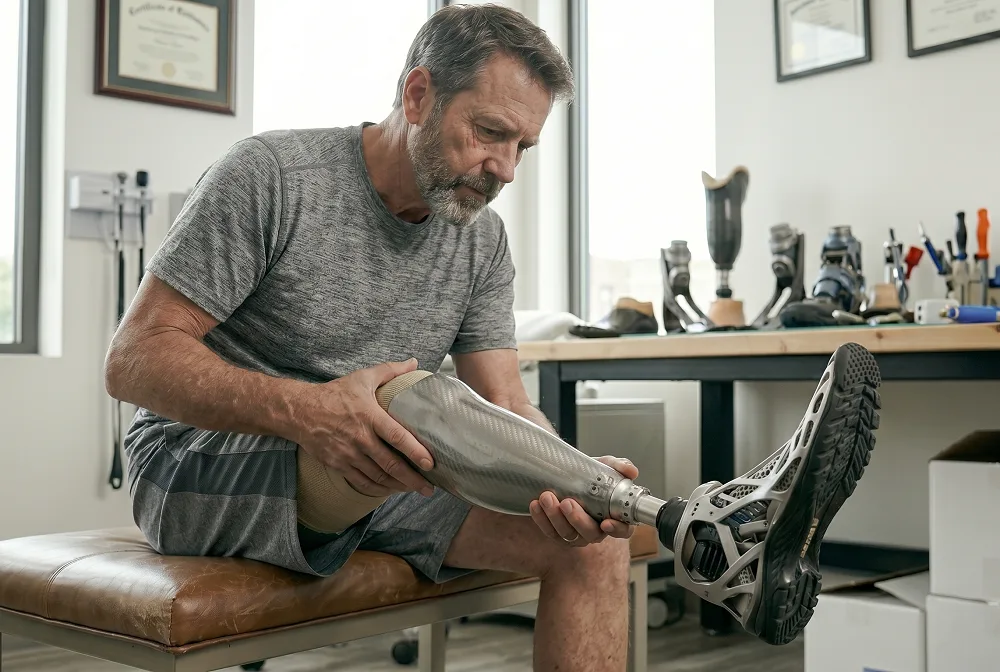
Even experienced hikers encounter setbacks, particularly during longer outings. Pay attention to:
- Skin irritation during activity: Friction inside the socket can cause redness or soreness. Taking short breaks and adjusting prosthetic socks can help reduce pressure.
- Swelling that changes the socket fit: Mild swelling may occur during longer walks. Carrying an extra prosthetic sock allows you to adjust the fit if needed.
- Fatigue on downhill terrain: Descending requires more control. Slowing your pace, taking shorter steps, and using hiking poles can reduce strain.
- Reduced traction on wet or loose surfaces: Gravel, mud, or wet rocks can impact footing. Shoes with good tread and careful steps help maintain stability.
Addressing these issues early through pacing, rest breaks, and appropriate trail selection helps prevent minor concerns from becoming larger problems.
How to Hike with Confidence
Preparation, appropriate equipment, and steady progression are the foundation of hiking with a prosthetic leg. Each stage, from flat walks to moderate trails, reflects development. By aligning prosthetic fit, components, and technique with your functional goals, uneven terrain can be navigated with greater ease and confidence.
If you’re preparing to increase outdoor activity, PrimeCare can evaluate your prosthesis, fit, and component options to ensure your setup supports uneven ground safely. We offer a full range of custom prosthetic and orthotic devices that empower our patients. Contact us to review your current prosthetic setup and discuss adjustments that may improve your hiking experience.