.svg)
.svg)


.webp)


After an amputation, the first prosthesis depends on healing rather than a fixed date. Factors such as swelling, residual limb shape, circulation, diabetes control, nutrition, emotional recovery, and medical clearance all influence when prosthetic fitting can safely start.
A prosthesis isn’t fitted by date alone. The incision must be closed, the skin must tolerate socket pressure, and the residual limb must be stable enough for safe use. At PrimeCare, planning for custom prosthetics in New Mexico can begin once the surgical team clears the next step.
Typical Prosthetic Timeline After Amputation
The path to a prosthesis usually moves through surgical healing, shrinker use, casting, test socket fitting, insurance approval, and therapy. Timing varies because every residual limb heals and changes differently. Each stage helps confirm that the limb is ready for safe prosthetic use.
Pre-Surgery or Early Recovery Consultation
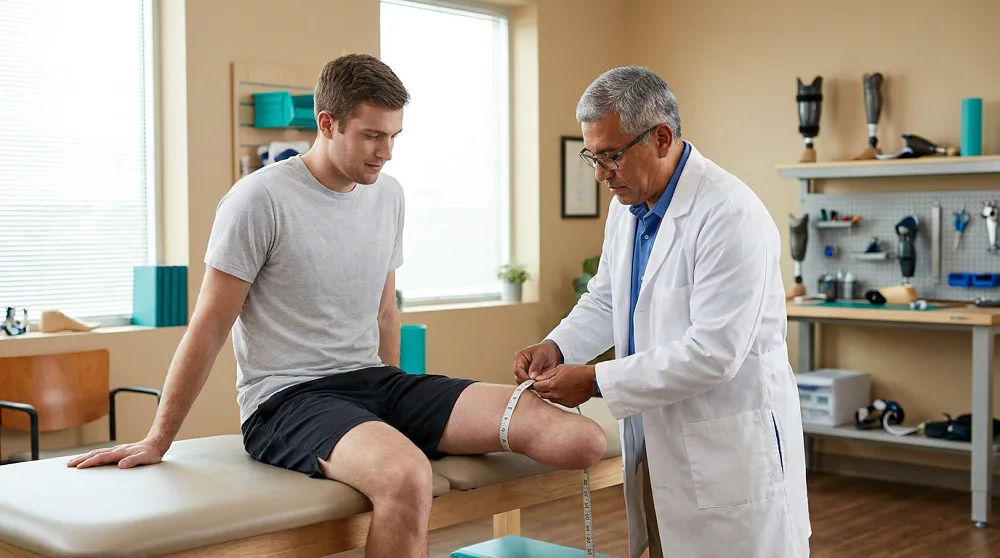
Before surgery or soon after, a prosthetist can explain the prosthetic fitting stages and discuss the patient’s daily needs. During this visit, your care team may discuss what to expect next, including healing timelines, residual limb care, prosthetic socket options, shrinker use, insurance steps, and therapy plans. For emergency amputations, this conversation may happen after you leave the hospital.
Surgical Recovery (Weeks 0-2)
The first 0 to 2 weeks usually focus on incision healing, pain control, swelling, and infection prevention. The care team may also work on safe transfers and basic movement from a bed or chair. A prosthesis isn’t usually cast yet because the residual limb is still healing and swollen.
Shrinker and Pre-Prosthetic Care (Weeks 2-6)
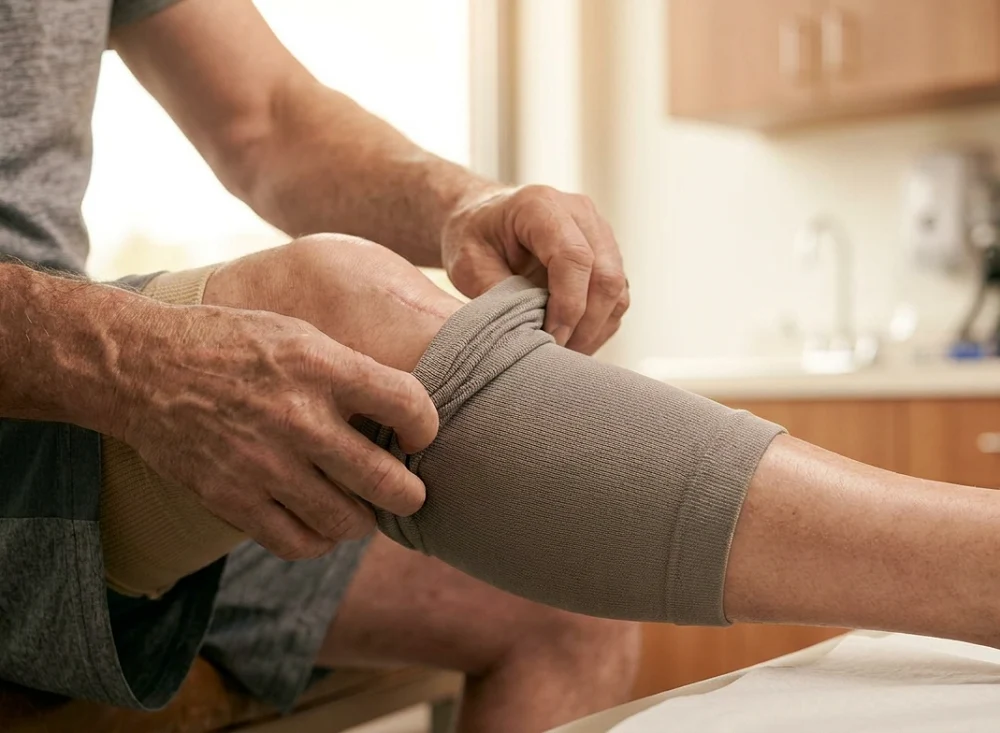
Many patients begin shrinker use and pre-prosthetic care during weeks 2 to 6, after the physician clears the limb for compression. A shrinker or compression garment can help reduce edema, shape the residual limb, and prepare it for a future prosthetic socket. Therapy often focuses on strength, joint motion, balance, transfers, and safe movement before prosthesis use begins.
Evaluation and Casting (Weeks 5-8)
Evaluation and casting may begin once the incision is fully closed and swelling has stabilized. The prosthetist checks limb shape, skin condition, pain level, range of motion, strength, and expected activity level. From there, casting, scanning, or measurements create a test socket.
Insurance Authorization and Prosthetic Plan
Insurance authorization often happens after the prosthetic treatment plan is developed. The plan may require a physician's prescription, clinical notes, functional documentation, and details about the recommended prosthetic system. This stage can affect timing because many insurance payers review medical necessity before fabrication.
Test Socket Fitting (Weeks 8-9)
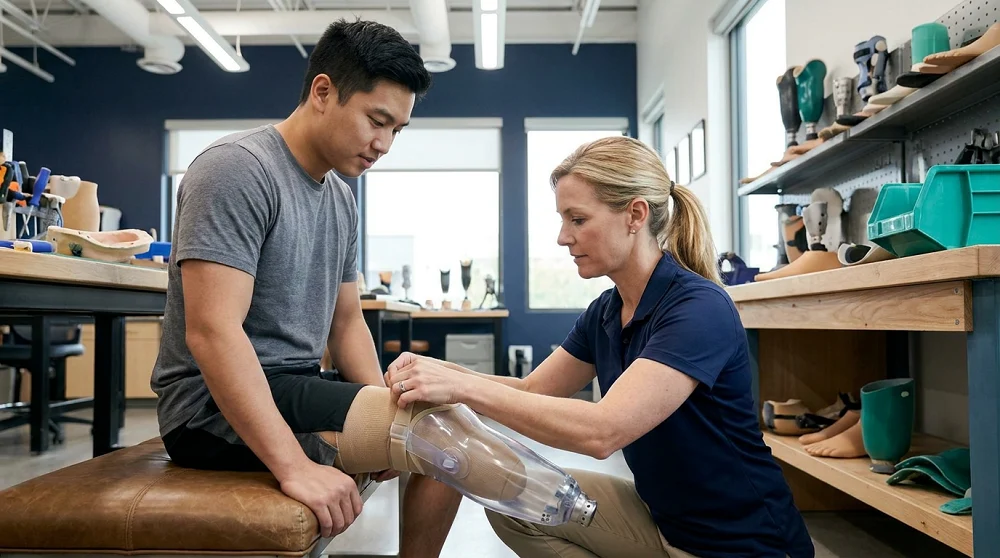
A test socket fitting allows the prosthetist to check how the socket fits before the final version is made. If the care team feels it is safe, the patient may stand, shift weight, or take early steps. If the fit is not accurate, another test socket or adjustment may be needed.
First Prosthesis (Weeks 9-12)
Many patients receive a preparatory prosthesis around weeks 9 to 12, although some may be ready earlier or later. This first prosthesis is designed to support early mobility while the residual limb continues to heal and change, so it is typically not the final long-term device.
supports early use while the residual limb continues to change, so it is usually not the final long-term device. The goal is safe prosthetic wear, basic standing, walking practice, and daily function.
Training and Physical Therapy After Fitting
Physical therapy usually becomes a major part of recovery after the first prosthesis is delivered. Lower-limb amputees may work on weight shifting, balance, gait, stairs, ramps, endurance, and fall prevention. Upper-limb amputees may work with occupational therapy on control, reach, grasp, dressing, hygiene, and work tasks.
Adjustments (Months 3-12)
During the first 3-12 months, it’s common for the first prosthesis to need several adjustments. Weight bearing, compression, muscle changes, and daily prosthetic use can change socket comfort. A definitive prosthesis is usually considered once limb shape, skin tolerance, walking pattern, and daily mobility are stabilized.
Signs Your Limb Is Ready for a Prosthesis
Before fitting, residual limb care should support healing and skin tolerance. A prosthetist and physician usually look for several signs before prosthetic fitting moves forward:
- Closed incision: The surgical site should be fully closed, dry, and cleared by the physician.
- No drainage or infection: Open skin, redness, drainage, or infection can make socket pressure unsafe.
- Reduced swelling: The residual limb should be stable enough for a socket to hold its shape and fit correctly.
- Skin ready for pressure or weight bearing: The residual limb should be strong enough to tolerate socket contact, compression, and early loading without breaking down.
- Good joint motion: Hip, knee, shoulder, or elbow motion should be strong enough to support prosthetic use.
- Basic strength and balance: Lower-limb amputees need enough strength for standing, transfers, and early walking practice.
- Early functional readiness: Upper-limb amputees may need shoulder motion, residual limb sensitivity control, and basic training for future prosthetic control.
- Surgeon and prosthetist approval: Prosthetic fitting should move forward only when both the surgical team and prosthetist agree the limb is ready.
If these signs aren’t present yet, fitting may need to wait. A short delay can protect the residual limb and reduce the risk of pain, skin breakdown, or repeated socket changes.
Who Can Get a Prosthesis Immediately After Amputation?
Some patients may receive an immediate postoperative prosthesis, often called an IPOP, right after surgery or very early in recovery. This option depends on healing risk, limb condition, fall risk, and the surgeon’s approval.
Patients may be considered for an immediate postoperative prosthesis when:
- Protected incision: The surgical site can be safely covered with a rigid dressing or an early prosthetic system.
- Stable tissue quality: The residual limb can tolerate limited, controlled pressure.
- Manageable swelling: Swelling is not severe enough to interfere with safe early fitting.
- Good circulation: Blood flow is stable enough to support healing.
- No active infection: There are no major wound concerns that could worsen with early use.
- Adequate strength and balance: The patient can follow safety limits during supervised standing or walking.
- Lower fall risk: The care team feels early prosthetic use won’t create unsafe instability.
- Suitable amputation level: The surgical result supports protected early weight bearing.
- Team approval: The surgeon, prosthetist, and rehabilitation team agree that early use is safe.
Patients usually need to wait if the incision is fragile, swelling is severe, pain is not controlled, or wound healing is delayed. Even before you receive your first prosthesis, your care team can begin planning for your future mobility needs and rehabilitation goals.
What Can Delay the First Prosthesis?
Several medical, physical, and insurance-related issues can delay the first prosthesis. These delays are frustrating, but fitting a socket too early can cause pain, skin damage, and a longer recovery.
Common reasons include:
- Open wounds or drainage: The incision must be closed and dry before socket pressure is safe.
- Infection or skin breakdown: Redness, sores, or infection can worsen if the limb is loaded too soon.
- Severe swelling: Excess swelling can make the socket shape inaccurate and unstable.
- Diabetes or vascular disease: These conditions can slow healing and change tissue tolerance.
- Poor circulation: Reduced blood flow can lengthen wound recovery and make it more fragile.
- Smoking, dehydration, or poor nutrition: Smoking can affect circulation, while poor hydration and limited protein, vitamins, or minerals can slow wound healing and delay readiness for fitting.
- Joint stiffness: Hip, knee, shoulder, or elbow stiffness can make prosthetic alignment and training harder.
- Muscle weakness: Limited strength can slow standing, walking, transfers, or upper-limb prosthetic control.
- High fall risk: Lower-limb amputees may need more therapy before safe standing or gait training.
- Scar sensitivity or pain: The residual limb must tolerate touch and pressure before regular prosthetic wear.
- Insurance authorization: Many plans need a prescription, clinical notes, proof of medical need, and approval before fabrication begins.
PrimeCare can help patients review prosthetics coverage steps and prepare the documentation their insurance plan may request.
How Amputation Level Impacts the Timeline
Amputation level can change how soon a patient is ready for fitting, training, and daily prosthetic use. Healing still comes first, but each prosthesis type has different fitting and therapy demands.
Below-Knee Amputation
Many below-knee amputees may be considered for a first prosthesis around 6 to 10 weeks after surgery when healing goes smoothly. The knee joint stays intact, which can make balance and gait training more straightforward than with higher-level amputations. Swelling, wounds, vascular disease, or skin sensitivity can still extend the timeline.
Above-Knee Amputation
Above-knee amputees may receive a first prosthesis around 8 to 12 weeks after surgery, though some need longer. The prosthesis must replace both the missing limb segment and knee function, so socket fit, suspension, prosthetic knee selection, and fall risk require closer review. Physical therapy often focuses on hip strength, posture, balance, and controlled knee use.
Upper-Limb Amputation
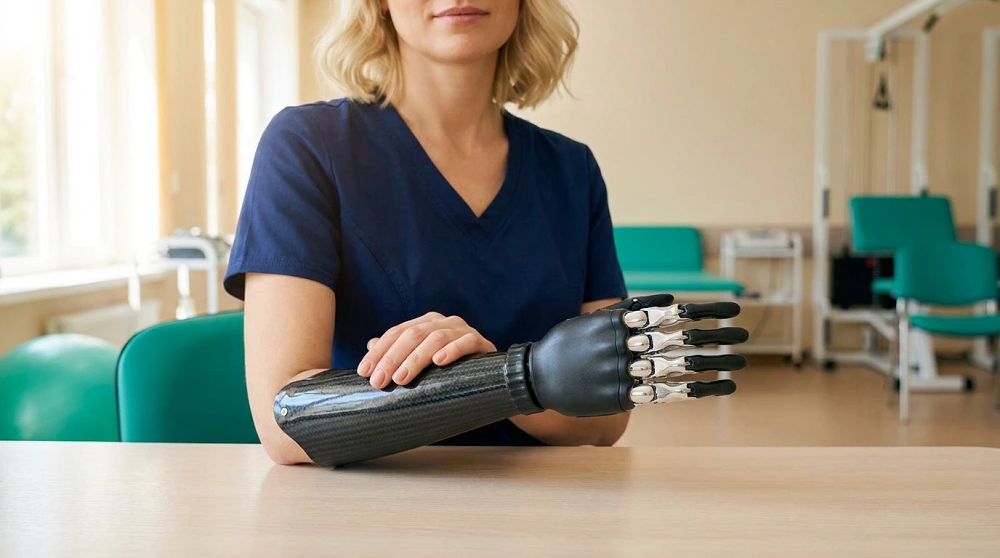
For upper-limb amputees, fitting may start within a few months after surgery, but the exact timing depends on healing progress, swelling, and the type of prosthesis needed. The prosthesis supports reach, grasp, appearance, work tasks, and daily function rather than walking. Therapy may focus on shoulder motion, residual limb sensitivity, and practice with body-powered, passive, or myoelectric control.
More Complex Amputations
Hip disarticulation, shoulder disarticulation, bilateral limb loss, or multiple trauma cases may take 3 months or longer before regular prosthetic use begins. These cases often require more healing time, more therapy, and more detailed component planning. This is particularly true for traumatic crush injuries where extensive tissue damage requires careful surgical timing before fitting can safely proceed.
Keep in mind that these timeframes are averages, not fixed rules. The safest timeline depends on healing, limb shape, pain control, therapy progress, and medical clearance.
What Can You Do to Get a Prosthesis Sooner?
The prosthetic timeline cannot be rushed past safe healing, but some steps can help prevent avoidable delays. Patients can help create a smoother transition to prosthetic use by caring for their residual limb, participating in early therapy, keeping records organized, and staying connected with their care team and insurance provider.
- Follow incision care closely: Clean, dry, closed skin helps the residual limb become ready for socket pressure.
- Report problems early: Drainage, redness, swelling, open skin, or new pain should be reported before they delay fitting.
- Use compression correctly: A shrinker or approved compression method can help reduce swelling and shape the limb for a prosthetic socket.
- Stay consistent with therapy: Strength, balance, joint motion, and transfer practice can make the first fitting and training safer.
- Keep medical appointments: Surgeon clearance is often needed before casting, scanning, or weight-bearing work can start.
- Prepare insurance documents: A prescription, clinical notes, insurance card, and medical history can help avoid authorization delays.
- Share daily goals clearly: Work tasks, home needs, walking goals, and activity level help the prosthetist plan the right first prosthesis.
- Attend fitting visits on time: Missed appointments can delay casting, test socket checks, adjustments, and final delivery.
These steps don’t guarantee an earlier prosthesis, but they can help the process move forward with fewer setbacks.
Getting Your First Prosthesis Safely
Most patients don’t receive a full prosthesis immediately after amputation, but many can begin the process within the first few weeks. A first wearable prosthesis often becomes possible once the incision heals, swelling decreases, and the physician clears the limb for fitting. For many people, this happens around 6 to 12 weeks.
The better question isn’t only how soon you can get a prosthesis, but what you can do now to support safer fitting once your limb is ready. PrimeCare can evaluate your recovery stage, residual limb condition, fit needs, and prosthetic options across New Mexico. With over 30,000 patients served, we’re proud to be a leading provider of custom upper-limb and lower-limb prosthetics. Contact us to discuss your next steps after amputation.